
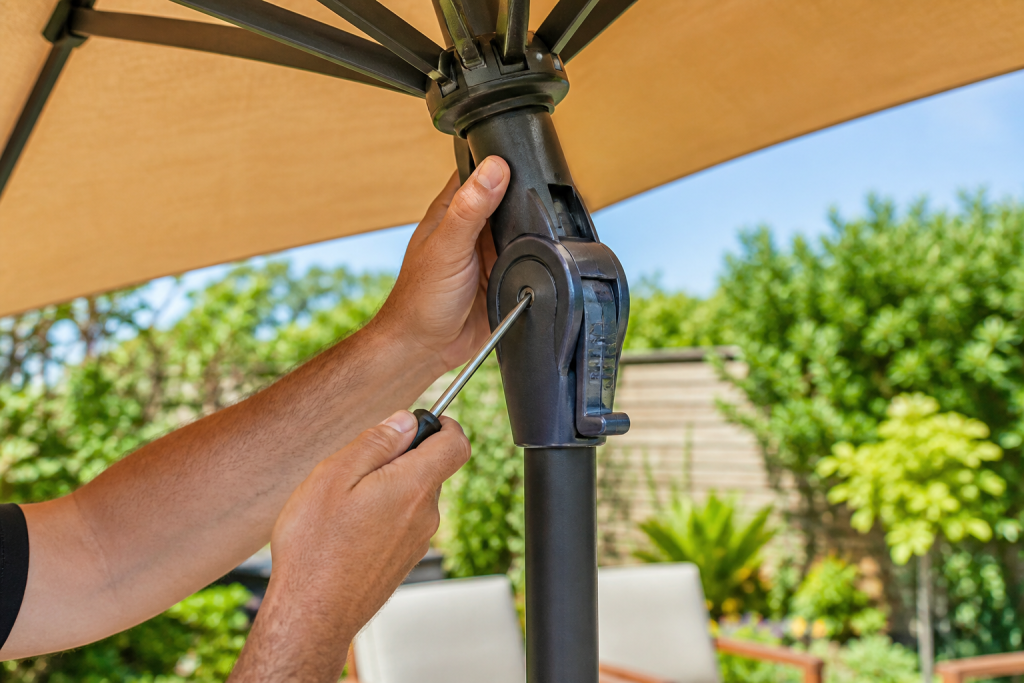
A sagging seat changes the whole feel of an outdoor space. What once looked tailored and inviting starts to feel worn, uncomfortable, and past its prime. Replacement patio chair slings offer a cleaner solution than buying an entirely new set – especially when the frames are still strong, the lines are timeless, and the goal is to restore refined outdoor living without unnecessary expense.
For many homeowners, sling replacement is the practical middle ground between living with faded, torn fabric and starting over with costly new furniture. It preserves the furniture you already know fits your patio, pool deck, lanai, or dining area. Just as importantly, it gives you control over comfort, color, and finish details in a way off-the-floor replacements rarely do.
Why replacement patio chair slings make sense
Outdoor furniture frames often outlast the fabric by many years. Powder-coated aluminum can remain structurally sound long after the sling has stretched, frayed, or split at the rail. When that happens, replacing only the sling is usually the smarter investment.
Cost is part of the appeal, but it is not the only reason. Many premium patio sets have proportions, finishes, and silhouettes that are difficult to match once they are discontinued. Replacing the fabric allows you to keep the original look of the frame while giving the seating a fresh, tailored appearance. In a well-designed outdoor setting, that kind of continuity matters.
There is also a sustainability advantage. Restoring a quality chair instead of discarding it reduces waste and extends the life of furniture that was built to last. For homeowners who care about durability and thoughtful purchasing, that is a meaningful benefit.
How to know when your sling should be replaced
Some wear is obvious. Tears, unraveling seams, and holes near the front edge are clear signs the sling has reached the end of its life. Other issues are easier to overlook but still affect performance.
If the seat feels loose or overly deep, the fabric may have stretched beyond proper support. If the material has become brittle from sun exposure, it may fail suddenly even if it still looks acceptable from a distance. You may also notice discomfort where the fabric no longer distributes weight evenly, especially on dining chairs and chaise lounges that see frequent seasonal use.
Aesthetics matter too. Fading, staining, and dated patterns can make an otherwise elegant outdoor area feel tired. New slings do more than fix damage – they sharpen the overall look of the space.
Measuring replacement patio chair slings correctly
The success of any replacement depends on measurement. Even a beautifully made sling will not perform well if the dimensions are off. Patio furniture brands and frame styles vary, so assuming a standard size is risky.
Most sling chairs require two core measurements: the width of the fabric panel and the length from one end of the sling to the other. In many cases, those measurements are taken from the old sling after it has been removed, or directly from the chair frame depending on the style. The exact method can differ between dining chairs, high-back chairs, swivel rockers, ottomans, and chaise lounges.
This is where homeowners often hesitate, and understandably so. A fraction of an inch can affect fit, tension, and installation. If the sling is too narrow, it may not sit securely in the rails. If it is too long, the seat may sag. If it is too short, installation can become difficult or impossible.
Brand compatibility can simplify the process. If you know the manufacturer or collection, that information can help narrow down the correct style and construction details. But even with a known brand, confirming measurements is still the safest path.
Choosing fabric for comfort and longevity
Not all sling fabrics perform the same way, and the best option depends on how the chair is used. A poolside chaise, for example, has different demands than a dining chair under a covered patio.
Quality sling fabric should resist fading, dry efficiently, and maintain stable tension over time. It should also feel comfortable enough for extended use without sacrificing support. Some homeowners prefer a lighter, more open weave for breathability in hot climates. Others want a denser look with richer color and a more tailored visual finish.
The right fabric is partly technical and partly aesthetic. Color should coordinate with the frame, surrounding cushions, and the broader outdoor palette. Texture should align with the level of formality you want. A subtle neutral can create effortless sophistication, while a deeper tone or refined pattern can give older frames a distinctly updated presence.
Samples can be especially useful here. Screen colors are not always reliable, and outdoor light changes everything. Seeing the fabric near your frame finish and in natural light makes selection more confident.
Custom vs. universal sling replacements
This is one of the most important distinctions. Universal options can sound convenient, but sling furniture is rarely as interchangeable as it appears. Frame rail widths, pocket construction, rod sizes, and finished dimensions all influence fit.
Custom-made slings are generally the better choice when you want a clean installation and lasting support. They are built to the actual measurements of the frame or original fabric, which helps preserve the comfort and profile the chair was designed to have.
Universal replacements may work in limited cases, but they often involve compromise. The fit can be too loose, too tight, or visually off. For homeowners restoring recognized brands or preserving a coordinated furniture set, custom work usually delivers the result they had in mind from the start.
What to expect during installation
Installing a new sling is very manageable for many homeowners, but it is still a hands-on project. The old fabric must be removed from the rails, the frame channels cleaned, and the new sling eased into place with the correct spline or rod components as required by the chair design.
Heat often plays a role in the final fit. New slings may seem tight during installation, which is normal. As the material warms and settles, it reaches the intended tension. Patience matters here. Trying to force the process can damage the sling or frame.
There are also times when professional installation makes sense. If the chair has complex construction, severe corrosion in the rails, or multiple moving parts, having guidance or service support can prevent costly mistakes. It depends on your comfort level, tool access, and the value of the furniture being restored.
Common mistakes that lead to poor results
Most sling replacement issues begin before the order is placed. The most common problem is inaccurate measuring, followed closely by choosing fabric based only on color without considering performance or weave.
Another frequent mistake is overlooking the supporting parts. End caps, rivets, glides, spline, and rail inserts may also need replacement, especially on older chairs. A fresh sling installed on worn hardware can still leave the chair looking unfinished or functioning poorly.
It is also easy to underestimate the value of matching the replacement to the original chair style. Dining chairs, stackable chairs, swivel rockers, and chaise lounges all have different construction needs. A tailored result comes from treating the chair as a system, not just a piece of fabric.
Restoring the full look of your outdoor furniture
A new sling often reveals what the rest of the chair needs. Once the seat is crisp and properly tensioned, faded paint, scuffed arms, or worn feet become more noticeable. That is not a drawback – it is an opportunity to complete the refresh.
For many homeowners, the best result comes from approaching restoration as a coordinated upgrade. A clean frame, new glide caps, and a carefully selected sling fabric can make an older set feel current again. If multiple pieces are involved, replacing all slings in a set creates visual consistency that instantly elevates the space.
This is where a specialized source matters. A business focused on outdoor furniture restoration can help you move from identifying the issue to selecting the right replacement components, measuring accurately, and installing with confidence. Chair Slings Store is built around that kind of category depth, which is why homeowners restoring quality patio furniture often prefer a specialist over a general retailer.
Making the right choice for your patio
The best replacement is not always the least expensive one. It is the one that fits correctly, complements the frame, and holds up through seasons of sun, moisture, and daily use. If your chairs are structurally sound and still suit your space, replacing the slings is often the most polished, practical move you can make.
A well-fitted sling brings back support, improves the look of the chair, and helps your outdoor setting feel intentional again. When the furniture is worth keeping, the right replacement does more than repair it – it restores the comfort and elegance that made you choose it in the first place.