
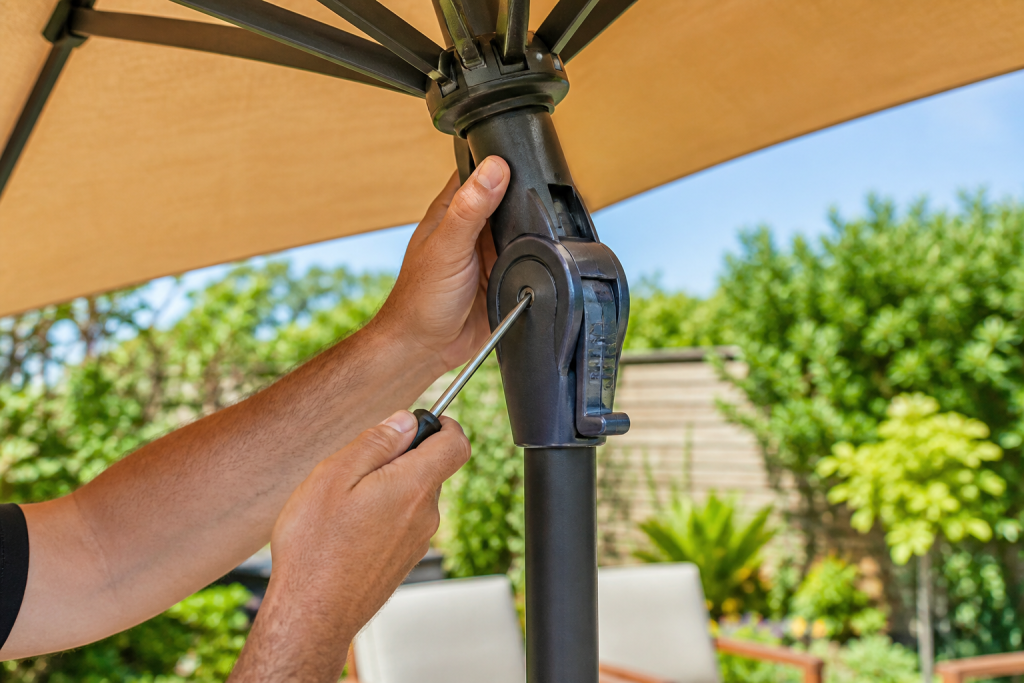
A cracked vinyl strap changes the whole feel of a chair. What was once comfortable and polished suddenly looks tired, and if one strap has failed, the rest are often close behind. If you are figuring out how to replace patio straps, the good news is that most strap furniture can be restored beautifully with the right measurements, materials, and installation method.
Replacing straps is not difficult in theory, but it does reward precision. A strap that is too short can put stress on the frame. One that is too long will sag and never deliver the tailored finish that gives patio furniture its refined outdoor living appeal. The goal is not just to make the chair usable again. It is to restore comfort, structure, and a clean, finished look that belongs in a well-kept outdoor space.
When patio straps should be replaced
Some damage is obvious. Straps split, crack, fray at the rivet hole, or become brittle from years of sun exposure. In other cases, the signs are more subtle. The seat may feel looser than it used to, the weave may look uneven, or the color may have faded enough that the set no longer looks cohesive.
If only one strap is damaged, you can replace just that piece. But there is a trade-off. A fresh strap may not match the weathering of the originals, and older straps may fail soon after. If the furniture is part of a visible seating area around a pool, lanai, or dining set, replacing the full group of straps often creates a more elegant and consistent result.
What you need before you start
For most strap repairs, you will need replacement vinyl straps, rivets or fasteners that match your frame style, a drill for removing old rivets if needed, measuring tape, scissors or heavy cutters, and a heat source to soften the new straps. Many installers use hot water because it warms the vinyl evenly and makes stretching easier without scorching the material.
The exact hardware matters. Some frames use single-wrap straps with rivets at each end. Others use double-wrap styles or clips. If you are working with a recognizable patio furniture brand, it helps to verify the fastening style before ordering materials. This is where specialized restoration suppliers are valuable – not because the task is mysterious, but because compatible components save time and help the finished repair look intentional rather than improvised.
How to measure before replacing patio straps
This is the part that determines whether the job feels straightforward or frustrating. To replace straps correctly, measure the old strap only if it has not stretched excessively or broken in a way that changed its length. If the original is badly warped, the better approach is to measure the frame span between attachment points.
For a single-wrap strap, measure from the center of one rivet hole to the center of the other attachment point, following the path the strap takes across the frame. For a double-wrap strap, measure the full routing around the frame, not just the visible seating surface. Small errors become noticeable once the strap cools and tightens.
Width matters too. Common vinyl strap widths include 1.5 inches, 2 inches, and wider profiles depending on the furniture design. Measure the width of the original strap and compare the thickness if possible. A mismatch can affect both appearance and fit.
Why stretch allowance matters
Vinyl patio straps are typically heated before installation so they can stretch into place. As they cool, they contract and tighten. That means your cut length is usually shorter than the raw frame measurement. The exact deduction depends on strap width, thickness, and the furniture application.
This is one of those it-depends details that makes experience useful. A chaise lounge strap and a dining chair seat strap do not always behave the same way. If you are replacing several straps on a premium set, getting the cut length right is worth more than rushing into installation.
How to replace patio straps step by step
Remove the old straps carefully
Start by turning the chair or chaise over so you can access the fasteners cleanly. If the old straps are attached with rivets, drill them out gently. Use only enough pressure to remove the rivet head without damaging the frame. If clips or screws are involved, remove them and keep one intact sample nearby so you can match replacements.
Once the old straps are off, clean the frame thoroughly. Dirt, oxidation, and old debris can interfere with the new installation. If the frame has chipped paint or visible wear, this is a good time to address it before the new straps go on.
Cut the new straps to the correct length
After confirming your measurement and stretch allowance, cut each strap squarely. Clean edges make installation easier and look more professional. If you are replacing multiple straps, label them by location if lengths vary. That small step can prevent mistakes during assembly.
Punch or prepare the fastening holes only if your installation method requires it. Hole placement should be centered and consistent so the finished seat or back looks balanced.
Heat the straps for installation
Warm the cut straps in hot water until they become flexible. They should feel pliable, not mushy. Overheating can weaken the material, while underheating makes the strap much harder to stretch into place.
Work with one strap at a time. Vinyl cools quickly, especially in cooler weather, so it helps to keep the remaining straps warm until needed. If you are doing this outdoors, choose a warm day when possible. The material is simply easier to handle.
Fasten one end first, then stretch into place
Attach the first end securely to the frame using the correct rivet or fastener. Then pull the warmed strap across the frame and align the second end. This is where tension should feel firm but controlled. You want a taut, supportive fit, not an overstretched strap fighting the frame.
Install the second fastener while maintaining alignment. Once the strap cools, it will contract and settle into a smooth, supportive span. Repeat the process evenly across the chair, checking spacing as you go. On woven designs, keep the pattern orderly so the restored piece looks intentional from every angle.
Common mistakes when replacing patio straps
The most common problem is inaccurate measuring. Even a small miscalculation can create visible sagging or excessive tension. Another frequent issue is using generic hardware that does not suit the frame. The repair may hold temporarily, but it often lacks the clean finish and durability that quality patio furniture deserves.
There is also the temptation to replace only the most damaged straps on an older piece. Sometimes that is practical. Sometimes it creates an uneven seat with mixed tension and visible color variation. If the furniture anchors a polished outdoor setting, a full refresh often delivers the better visual payoff.
Choosing the right replacement straps
Not all vinyl straps are equal. Color, texture, width, thickness, and embossing all affect the final appearance. If your furniture is part of a coordinated set, matching the original style as closely as possible will preserve its character. If you are updating the look, choose a strap that complements the frame finish and surrounding cushions rather than competing with them.
Durability matters just as much as appearance. Quality replacement straps are made to handle sun, heat, and daily outdoor use without becoming brittle too quickly. This is one reason homeowners restoring premium brands often prefer specialized sources such as Chair Slings Store. The advantage is not just product selection. It is the confidence of ordering components designed for patio furniture restoration rather than settling for a close-enough substitute.
Should you do it yourself or order custom help?
If you are comfortable measuring carefully, handling tools, and working methodically, replacing patio straps can be a very manageable project. It is especially approachable on simpler chairs with straight strap runs and standard rivet attachments.
If the furniture is high-end, the strap pattern is more complex, or the original configuration is unclear, extra guidance can save time and waste. There is no shame in wanting the result to look polished. Patio furniture sits in full view, and a thoughtful restoration can make an entire outdoor area feel renewed.
A well-repaired strap chair should feel supportive, look tailored, and blend back into your space as though it never needed repair at all. That is the real value of doing the job carefully – not merely extending the life of the frame, but preserving the comfort and effortless sophistication of the outdoor setting you already enjoy.