
Patio Rivet Tools: 4 Essential Gadgets for Flawless Fixes
Maintaining the beauty and integrity of your outdoor furniture is essential for enjoying your patio for years to come. When repairs are needed, especially for structural components, having the right equipment makes all the difference. This is where Patio Rivet Tools become indispensable. These specialized gadgets are designed to create strong, lasting bonds, ensuring your chairs, tables, and loungers remain secure and safe for use.
From fixing loose slings to reinforcing frames, understanding these tools is the first step toward successful DIY furniture restoration.
In this comprehensive guide, we will delve into the world of rivet tools, exploring their various types, proper usage, and crucial safety considerations. We’ll answer common questions, help you choose the best tools for heavy-duty repairs, and provide actionable tips to ensure your patio furniture fixes are not just temporary solutions, but truly flawless and enduring. Prepare to transform your approach to outdoor furniture maintenance with expert insights into these essential repair companions.
Key Takeaways
- Discover the specific functions of various Patio Rivet Tools and how they contribute to robust furniture repair.
- Learn step-by-step instructions on effectively using a rivet tool to achieve secure and professional-grade fixes.
- Understand the different types of rivets compatible with these tools, ensuring you select the right fasteners for every job.
- Identify the best tools for heavy-duty applications and how to troubleshoot common issues to maintain peak performance.
Understanding Patio Rivet Tools: What They Are and Why You Need Them
Patio Rivet Tools are specialized devices designed to install rivets, which are permanent mechanical fasteners. Unlike screws or bolts that can be removed, rivets create a strong, tamper-resistant joint, making them ideal for the demanding conditions of outdoor furniture. They are crucial for repairing broken frames, reattaching fabric slings, or reinforcing weak points in aluminum, steel, or plastic components.
The primary function of these tools is to deform a rivet, specifically a “blind rivet” or “pop rivet,” to create a secure connection between two or more pieces of material. When you squeeze the handles of a rivet tool, it pulls a mandrel through the rivet body, causing the rivet to expand on the blind side of the material. This expansion forms a tight, permanent joint, essential for the longevity and safety of your patio furniture.
Without reliable Patio Rivet Tools, many common patio furniture repairs would be challenging, if not impossible, to execute effectively. They provide the leverage and precision needed to set rivets correctly, preventing wobbles, loose parts, and potential hazards. Investing in quality tools means investing in the durability and safety of your outdoor oasis.
The Core Function of Rivet Tools in Furniture Repair
The core function of rivet tools is to create a strong, permanent mechanical bond. This is achieved by inserting a rivet through pre-drilled holes in the materials to be joined. The tool then pulls the rivet’s mandrel, causing the rivet body to expand and form a secure head on the blind side of the material. This process effectively clamps the materials together, providing structural integrity that can withstand outdoor elements and regular use.
These tools are particularly effective for joining dissimilar materials or when access is limited to only one side of the workpiece, hence the term “blind rivet.” They are commonly used on aluminum frames, steel components, and even certain types of durable plastics found in patio furniture. The resulting joint is robust, resistant to vibration, and offers a clean, low-profile finish, which is aesthetically pleasing for outdoor settings.
Essential Types of Patio Rivet Tools for Every Repair
Choosing the right Patio Rivet Tools is paramount for successful and efficient repairs. While the basic principle of setting a rivet remains the same, different tools offer varying levels of power, leverage, and ease of use. Understanding these distinctions will help you select the perfect gadget for your specific patio furniture repair needs, from light-duty fixes to heavy-duty structural reinforcements. Here are four essential types you should consider.
1. Manual Hand Rivet Tools: Your Go-To for Basic Fixes
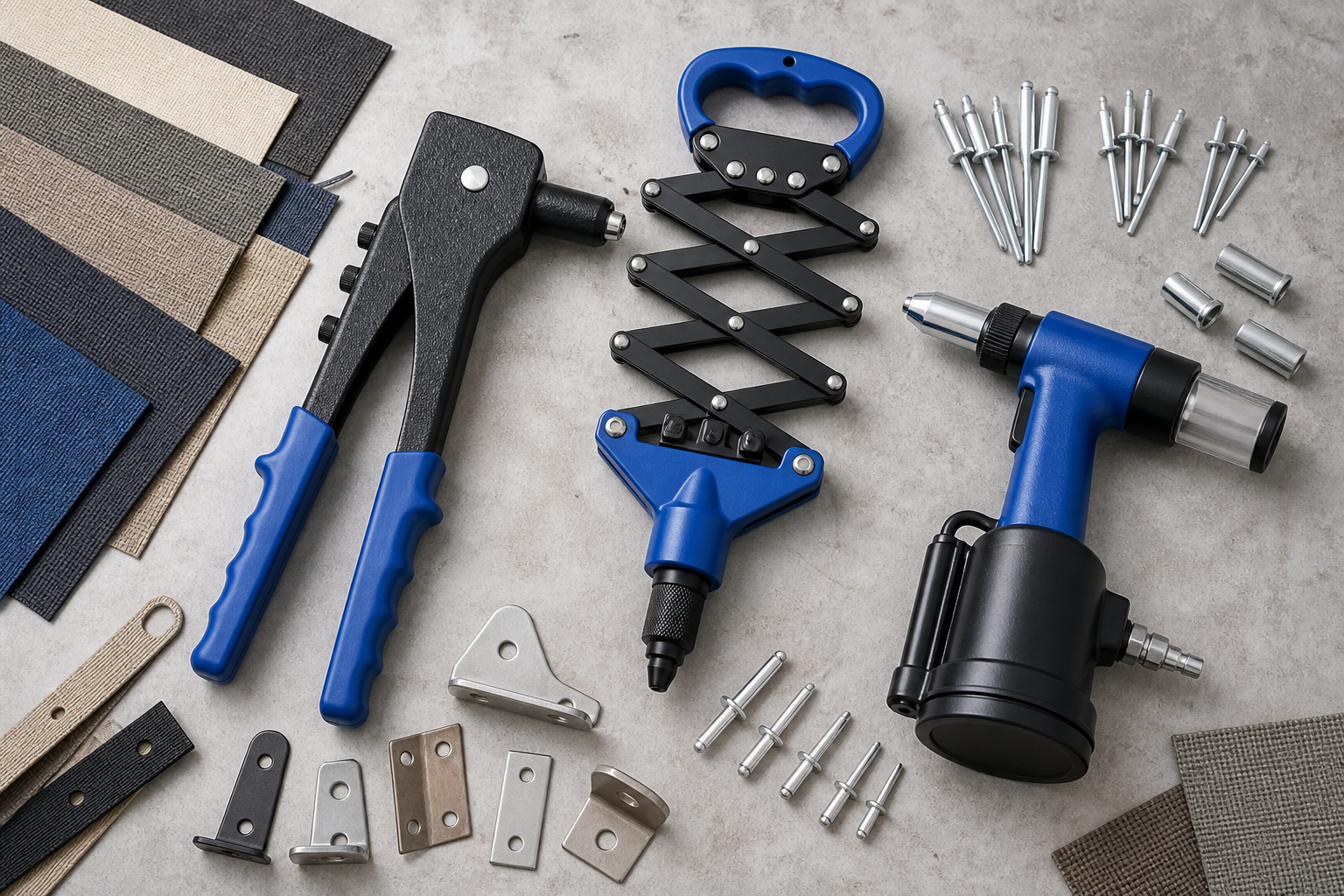
Manual hand rivet tools are the most common and accessible type of rivet tools. They operate by hand power, requiring you to squeeze handles to pull the rivet mandrel. These tools are lightweight, portable, and generally affordable, making them an excellent choice for DIY enthusiasts and occasional repairs. They are perfect for smaller rivets and lighter materials, such as aluminum chair frames or thin steel components.
While they require some manual effort, their simplicity and reliability make them a staple in any patio furniture repair kit. They are ideal for tasks like reattaching a loose chair sling or fixing a minor frame separation. Many models come with interchangeable nosepieces to accommodate different rivet sizes, offering versatility for various repair scenarios.
2. Accordion-Style Rivet Tools for Enhanced Leverage
For those tougher jobs that demand more force, accordion-style rivet tools offer significantly enhanced leverage compared to standard hand tools. These tools feature longer handles and a unique accordion-like mechanism that multiplies your squeezing power, making it easier to set larger or harder rivets. They are often considered the best rivet tool for heavy-duty outdoor repairs.
This design reduces hand fatigue, especially when you have multiple rivets to install or are working with thicker materials like heavy-gauge steel or reinforced aluminum. If you frequently tackle more demanding repairs or prefer a tool that requires less physical exertion, an accordion-style riveter is a worthwhile investment.
3. Lever-Style Rivet Tools: Power and Precision
Lever-style rivet tools, sometimes called “lazy tongs” riveters, provide an excellent balance of power and precision. They feature a scissor-like action with long handles that offer substantial mechanical advantage, allowing you to set rivets with minimal effort. This design is particularly beneficial for repetitive tasks, as it reduces strain over prolonged use.
These tools are often more robust than basic hand riveters and can handle a wider range of rivet sizes and materials. Their extended reach can also be advantageous when working in tight spaces or on larger furniture pieces. They are a step up in performance and comfort for serious DIYers or small-scale professional repairers.
4. Pneumatic Patio Rivet Tools: The Professional’s Choice
When speed, power, and efficiency are paramount, pneumatic Patio Rivet Tools are the ultimate solution. These tools operate using compressed air, eliminating manual effort entirely. With a simple pull of a trigger, they can set rivets rapidly and consistently, making them indispensable for high-volume work or professional repair shops.
Pneumatic tools are significantly faster and more powerful than manual options, capable of setting large, heavy-duty rivets with ease. Are pneumatic patio rivet tools better than manual ones? For sheer speed and reduced fatigue, absolutely. However, they require an air compressor, which adds to the initial cost and limits portability. For extensive repairs or commercial use, the investment in pneumatic tools pays off in time saved and consistent results.
Restore Your Patio Furniture with Expert Patio Rivet Tools from Chair Sling Store
As the authoritative source for patio furniture repair, Chair Sling Store provides high-quality patio rivet tools and all the components you need for secure, lasting fixes.
Mastering the Use of Patio Rivet Tools for Secure Fixes
Knowing how to properly use your Patio Rivet Tools is critical for achieving durable and professional-looking repairs. The process is straightforward, but precision is key. Whether you’re reattaching a loose bracket or replacing a worn-out sling, following these steps will ensure a strong and lasting bond for your patio furniture.
How to Use a Rivet Tool to Repair Patio Furniture
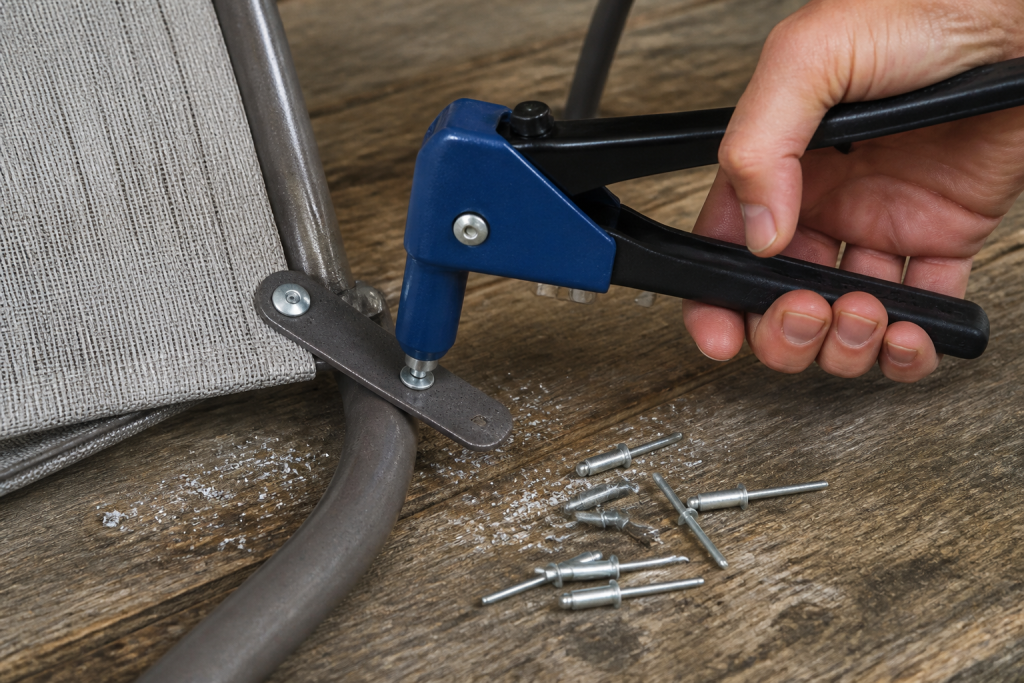
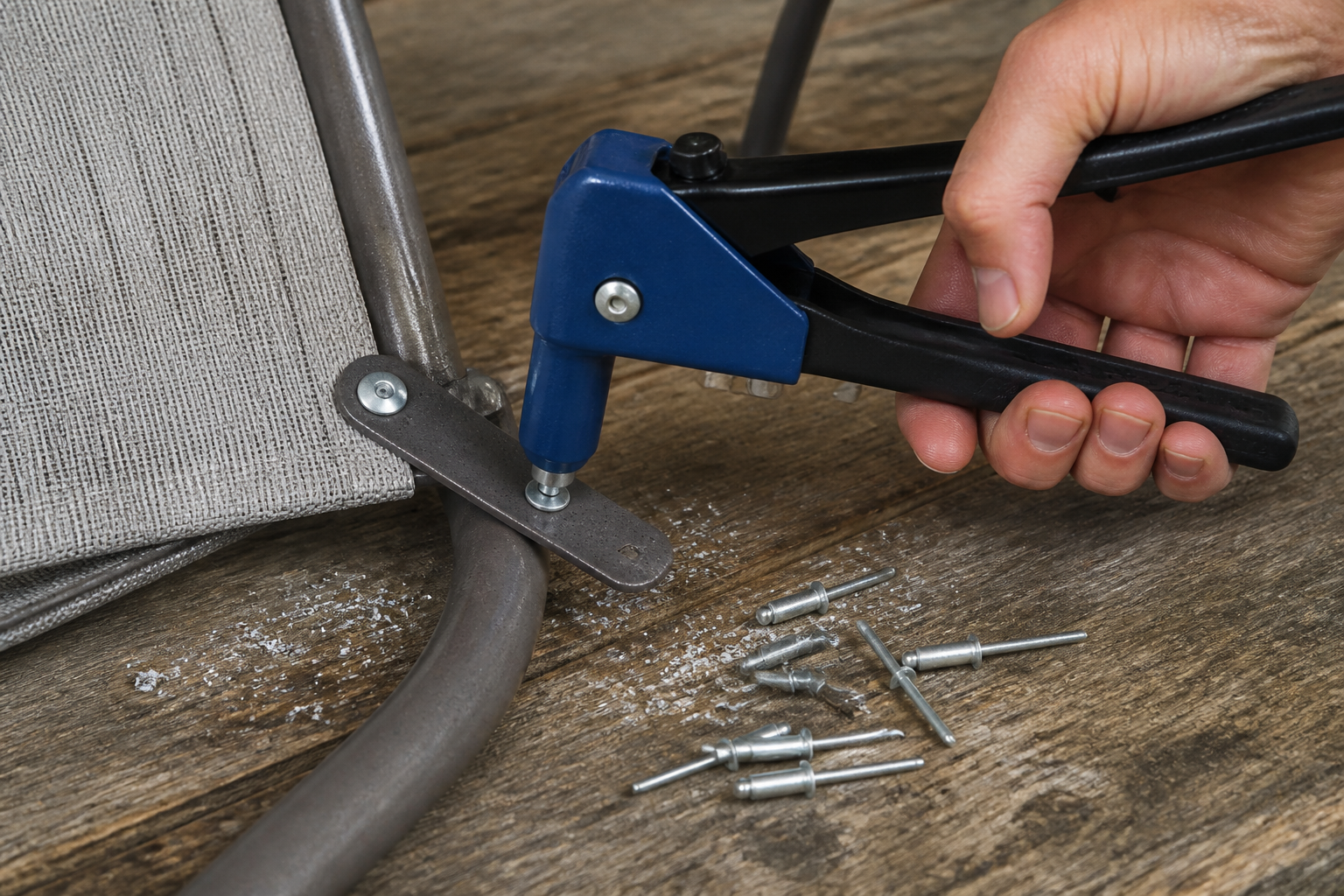
To use a rivet tool to repair patio furniture, begin by preparing your materials. First, ensure the pieces you want to join are clean and properly aligned. Drill a hole through both materials at the desired fastening point. The drill bit size should match the diameter of your rivet. Next, select the correct nozzle (also called a nosepiece) for your rivet tool that matches the rivet’s diameter and attach it securely.
Insert the rivet’s mandrel (the thin nail-like stem) into the tool’s nozzle. Push the rivet body through the aligned holes in your patio furniture components. Once the rivet is fully seated, firmly squeeze the tool’s handles. You will feel resistance as the tool pulls the mandrel, causing the rivet to expand on the blind side. Continue squeezing until the mandrel snaps off with an audible pop. This indicates the rivet is properly set, creating a secure, permanent joint.
Selecting the Right Rivets for Your Tools
Choosing the correct size patio rivet for your tool and application is crucial. Most Patio Rivet Tools are designed for “blind rivets” or “pop rivets.” These come in various materials, including aluminum, steel, and stainless steel. Aluminum rivets are common for general patio furniture repairs due to their corrosion resistance and ease of setting. Steel and stainless steel rivets offer greater strength and are ideal for heavy-duty applications.
When selecting rivets, consider two main factors: diameter and grip range. The rivet’s diameter must match the nozzle size of your tool and the diameter of the drilled hole. The grip range refers to the combined thickness of the materials you are joining. Ensure the rivet’s grip range is appropriate for your specific repair; if it’s too short, the rivet won’t expand properly, and if it’s too long, it won’t create a tight joint.
Always refer to the rivet packaging for grip range specifications. For more detailed information on rivet types and applications, you can consult resources like RivetKing’s guide to rivet types.
Troubleshooting Common Issues with Patio Rivet Tools
Even the most reliable Patio Rivet Tools can encounter issues. Understanding common problems and their solutions can save you time and frustration during your patio furniture repair projects. Addressing these issues promptly ensures your tools function optimally and your repairs are consistently secure.
Why is my Patio Rivet Tool not setting rivets correctly?
If your Patio Rivet Tool isn’t setting rivets correctly, several factors could be at play. The most common reason is an incompatible rivet size with the tool’s nozzle. Ensure the nozzle attached to your tool matches the diameter of the rivet you are trying to set. A nozzle that is too large won’t grip the mandrel, and one that is too small won’t allow the rivet to pass through.
Another issue could be insufficient force. If you’re using a manual tool, you might not be squeezing the handles hard enough, especially with larger or harder rivets. For pneumatic tools, check your air pressure. The rivet material itself could also be too hard for your tool’s capacity. Lastly, the tool might be worn or damaged; check the jaws inside the nozzle for wear, as they are responsible for gripping the rivet mandrel.
Replacing worn jaws or the entire nozzle can often resolve the problem.
Common Problems with Rivet Tools and How to Fix Them
Beyond incorrect rivet setting, other common problems with rivet tools include mandrels getting stuck, handles jamming, or the tool failing to grip the rivet at all. If a mandrel gets stuck, it often means the jaws are worn or dirty. Try cleaning the jaws with a wire brush and lubricating them. If the problem persists, the jaws may need replacement.
Handles jamming can be due to rust, dirt, or a bent component. Regular cleaning and lubrication of moving parts can prevent this. For tools that fail to grip rivets, double-check the nozzle size and ensure the rivet is fully inserted.
Can a standard rivet gun be used for all patio applications? While many standard rivet guns are versatile, some heavy-duty patio applications, especially with stainless steel rivets or thicker materials, might require specialized tools like accordion-style or pneumatic riveters for optimal performance and less strain.
Safety and Investment: Making the Most of Your Patio Rivet Tools
Working with Patio Rivet Tools involves certain considerations to ensure both your safety and the longevity of your investment. Adhering to safety precautions and understanding the market for these tools will help you make informed decisions and achieve the best possible results for your outdoor furniture repairs.
What safety precautions should I take when using a Patio Rivet Tool?
Safety is paramount when using any power or hand tool, and Patio Rivet Tools are no exception. Always wear safety glasses to protect your eyes from flying mandrels or debris when the rivet snaps. Ensure your hands are clear of the tool’s jaws to prevent pinching injuries. Work in a well-lit and well-ventilated area, keeping children and pets away from your workspace.
Before starting, inspect your tool for any damage or wear. Use the correct size rivet and nozzle for the job. Never force a rivet if it doesn’t seem to fit or set properly, as this can damage the tool or the material. Always refer to the manufacturer’s instructions for specific safety guidelines and operating procedures for your particular model of patio rivet tool.
Where to Buy and What to Expect from Patio Rivet Tools
When it comes to purchasing Patio Rivet Tools, you have several options. Where can I buy patio rivet tools online? Major online retailers like Amazon, Home Depot, Lowe’s, and specialty tool websites offer a wide selection. For those who prefer to “buy patio rivet tools near me,” local hardware stores, home improvement centers, and even some automotive supply stores often stock a basic range.
How much do quality rivet tools typically cost? Manual hand riveters can range from $20 to $60, while accordion-style or lever-style tools might be $50 to $150. Pneumatic models are a larger investment, often starting from $100 and going up to several hundred dollars, depending on features and brand. Who manufactures reliable rivet tools? Brands like Stanley, Arrow, Astro Pneumatic Tool, and Marson (a division of Stanley Engineered Fastening) are well-regarded in the industry.
Where can I find reviews for different rivet tool brands? Product pages on retailer websites, dedicated tool review sites, and YouTube channels are excellent resources for user feedback and comparisons.
Your Invitation to Lasting Furniture Repair
The ability to perform secure and lasting repairs on your outdoor furniture is a valuable skill, made achievable with the right equipment. As we’ve explored, Patio Rivet Tools are indispensable for maintaining the structural integrity and aesthetic appeal of your patio pieces. From manual hand riveters for quick fixes to powerful pneumatic options for heavy-duty tasks, selecting the appropriate tool ensures that every repair is robust and reliable.
Mastering their use, understanding rivet compatibility, and adhering to safety protocols empowers you to extend the life of your furniture and enhance your outdoor living experience.
Empower yourself with the knowledge and tools to keep your patio furniture in pristine condition. For a comprehensive selection of high-quality rivet tools and all the necessary components for your repair projects, visit Chair Sling Store. Our expert team is ready to assist you in finding the perfect solutions for your outdoor furniture needs. Explore our full range of repair tools and parts today.
Frequently Asked Questions About Patio Rivet Tools
What are patio rivet tools used for?
Patio rivet tools are primarily used to securely fasten or join two or more pieces of material, typically metal or plastic, found in patio furniture frames. They create a strong, permanent bond essential for repairing broken joints, attaching new slings or straps, or reinforcing structural components, ensuring the furniture’s stability and longevity.
How do you use a rivet tool to repair patio furniture?
To use a patio rivet tool, first drill a hole through the materials to be joined. Insert the rivet’s mandrel (the thin nail-like part) into the tool’s nozzle. Place the rivet body through the aligned holes. Squeeze the tool’s handles repeatedly until the rivet expands, securely fastening the materials, and the mandrel snaps off, leaving a clean, permanent joint.
What types of rivets are compatible with patio rivet tools?
Most patio rivet tools are designed for “blind rivets” or “pop rivets.” These are typically made from aluminum, steel, or stainless steel. It’s crucial to match the rivet material and diameter to both the tool’s capacity and the specific repair requirements for your patio furniture to ensure a strong and appropriate bond.
What is the best patio rivet tool for heavy-duty outdoor repairs?
For heavy-duty outdoor repairs on patio furniture, a heavy-duty manual rivet tool, an accordion-style rivet tool, or even a pneumatic rivet tool (if you have an air compressor) would be ideal. These offer greater leverage or power, making it easier to set larger or stronger rivets through thicker materials, providing a more robust and lasting fix.
Why is my patio rivet tool not setting rivets correctly?
If your patio rivet tool isn’t setting rivets correctly, several issues could be at play. The rivet size might be incompatible with the tool’s nozzle, the rivet material might be too hard for the tool’s strength, or the tool itself might be worn out or malfunctioning. Ensure the correct nozzle size, use appropriate rivet materials, and check the tool for damage or wear.
How do I choose the correct size patio rivet for my tool?
Choosing the correct size patio rivet involves matching the rivet’s diameter to the nozzle size of your rivet tool and ensuring the rivet’s grip range (the combined thickness of the materials being joined) is appropriate. Most rivet tools come with multiple interchangeable nozzles for different rivet diameters, and rivet packaging will specify grip ranges.
What safety precautions should I take when using a patio rivet tool?
When using a patio rivet tool, always wear safety glasses to protect your eyes from flying mandrels or debris. Ensure your hands are clear of the tool’s jaws to prevent pinching. Work in a well-ventilated area, and keep children and pets away from the workspace. Always refer to the manufacturer’s instructions for specific safety guidelines.