
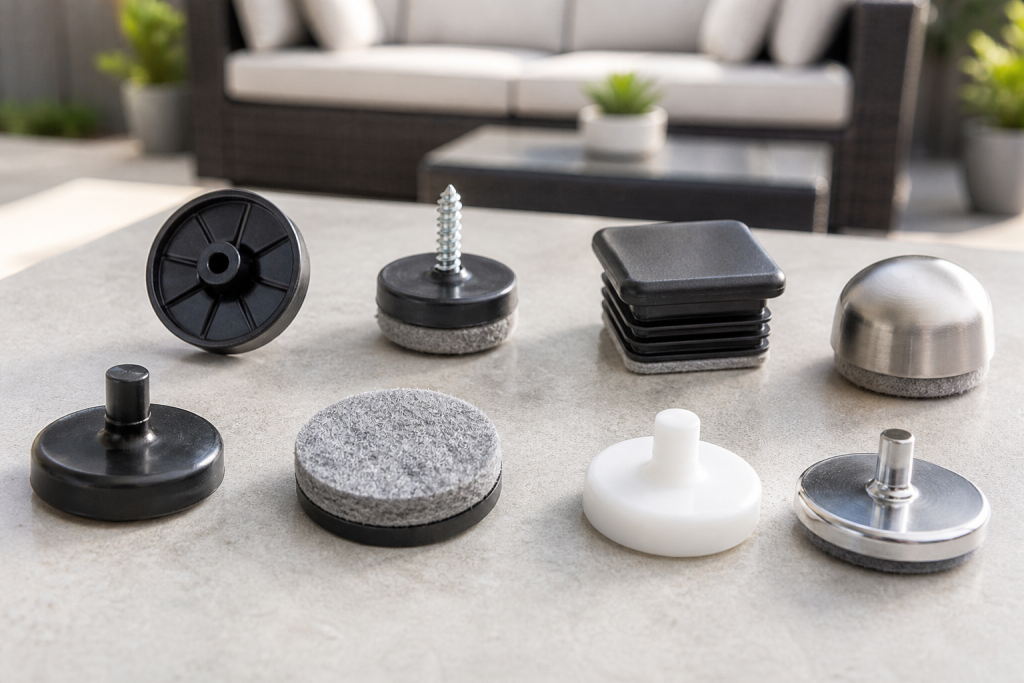
Feet Glides Types: 9 Amazing Options for Every Patio Chair
Feet Glides Types are often overlooked components of furniture, yet they play a crucial role in protecting your floors, extending the life of your patio chairs, and ensuring stability. Understanding the various options available can transform your outdoor living space, preventing unsightly scratches and wobbles.
In this comprehensive guide, we will delve into the diverse world of feet glides, exploring 9 amazing options suitable for every patio chair. We’ll cover their materials, benefits, ideal applications, and installation methods, empowering you to make informed decisions for a perfectly protected and stable outdoor setting.
Key Takeaways
- Discover the 9 most common and effective Feet Glides Types, from felt to threaded leveling glides.
- Learn how to select the ideal feet glides based on your patio chair material, flooring surface, and environmental conditions.
- Understand the installation methods for various Feet Glides Types, including screw-in, nail-on, and push-in options.
- Identify the most durable and scratch-preventing feet glides to ensure the longevity of your furniture and floors.
Understanding Essential Feet Glides Types for Patio Chairs
The world of furniture protection is vast, and at its foundation are the various Feet Glides Types designed to safeguard your surfaces and enhance furniture functionality. These small but mighty accessories prevent scratches, reduce noise, and provide stability, especially for frequently moved items like patio chairs.
Choosing the correct feet glides is not a one-size-fits-all decision. It requires an understanding of the materials, designs, and intended uses of each type. Let’s begin by exploring the fundamental categories of feet glides available on the market today.
What are the Different Feet Glides Types Available?
Many Feet Glides Types exist, each offering unique benefits for different applications. They can generally be categorized by their material and their installation method. Common materials include felt, various plastics (like HDPE and nylon), rubber, and metal. Installation methods range from simple adhesive pads to more secure screw-in or push-in designs.
Understanding these distinctions is key to making an informed choice. For instance, a heavy wrought iron patio chair will require a different glide than a lightweight aluminum one. Similarly, a concrete patio demands different protection than an indoor hardwood floor.
The Purpose of Threaded Leveling Feet Glides
Among the specialized Feet Glides Types, threaded leveling glides stand out for their ability to combat uneven surfaces. These glides feature a threaded shaft that screws into a corresponding insert in the furniture leg. This design allows for precise height adjustment, effectively eliminating wobbles and ensuring a stable seating experience.
They are particularly useful for patio chairs placed on slightly sloped or irregular outdoor paving. The adjustability of these feet glides types makes them an excellent solution for maintaining balance and comfort, preventing the frustrating rock of an unstable chair. For more on furniture components, you can explore resources like Wikipedia’s furniture component overview.
Choosing the Right Feet Glides Types for Your Patio
Selecting the appropriate Feet Glides Types for your patio chairs involves considering several factors. The goal is to find a glide that offers maximum protection for your specific flooring, withstands outdoor conditions, and provides the desired level of durability and stability.
A careful assessment of your furniture, environment, and usage patterns will guide you to the best solution. Let’s break down the key considerations when choosing among the many feet glides types.
How Do I Choose the Best Feet Glides Types for My Furniture?
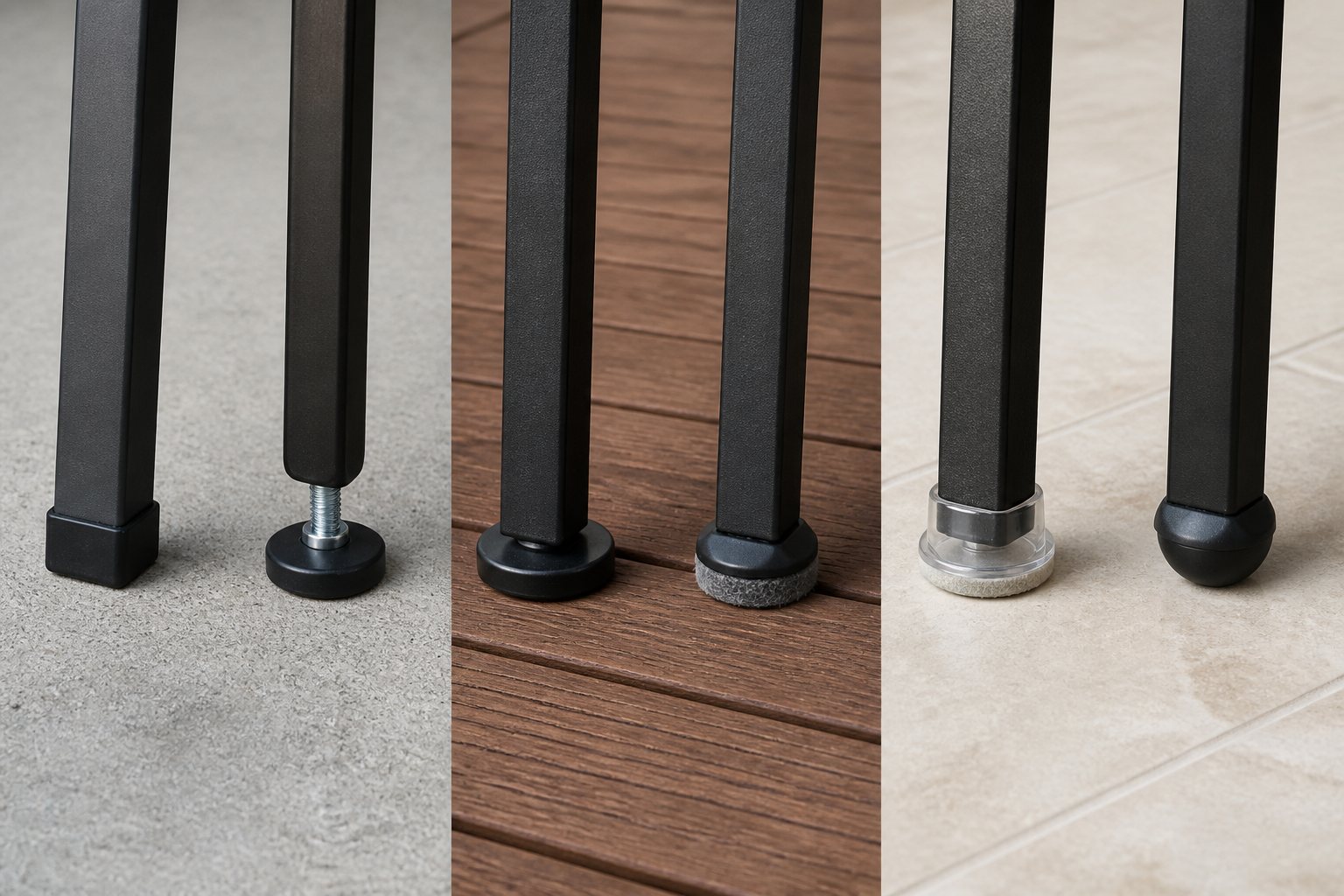
Choosing the best Feet Glides Types depends on your furniture type, the flooring material, and the desired function. For patio chairs, consider the weight and material of the chair itself. Lightweight aluminum chairs might use simple push-in glides, while heavier steel chairs may benefit from more robust screw-in or threaded options.
Your flooring is paramount: concrete, pavers, wood decks, or outdoor rugs all have different needs. Durability and ease of installation are also important factors. Always prioritize glides that can withstand moisture, UV exposure, and temperature fluctuations for outdoor use.
Specific Feet Glides Types for Outdoor Furniture
Outdoor furniture, especially patio chairs, requires specific Feet Glides Types that can endure harsh environmental conditions. Materials like UV-stabilized high-density polyethylene (HDPE) or nylon are excellent choices as they resist cracking, fading, and degradation from sun exposure and moisture.
Stainless steel glides are also suitable for outdoor use due to their corrosion resistance. Avoid glides that absorb water or corrode easily, as these will quickly fail and potentially damage your patio surface. The right feet glides types ensure your outdoor pieces remain functional and attractive for seasons to come.
Which Feet Glides Types are Best for Hardwood Floors?
For delicate surfaces like indoor hardwood floors, felt Feet Glides Types are generally considered the best choice. They provide a soft, protective barrier that prevents scratches and allows furniture to slide smoothly and quietly. While this article focuses on patio chairs, it’s a critical distinction for indoor furniture.
For outdoor wooden decks, however, durable plastic or rubber glides might be more appropriate, as felt can absorb moisture and degrade. Always match the glide to the specific floor type to ensure optimal protection.
Why Should I Use Felt Glides Instead of Plastic Glides?
The choice between felt and plastic Feet Glides Types hinges on the surface you’re protecting. Felt glides are superior for preventing scratches on delicate indoor floors such as hardwood, laminate, and luxury vinyl plank (LVP). They offer a smooth, quiet glide that plastic cannot replicate on these surfaces.
Plastic glides, particularly those made from HDPE or nylon, are generally more durable and water-resistant, making them ideal for outdoor use on concrete, tile, or composite decking. They can, however, scratch softer indoor floors if not properly maintained or if debris gets trapped underneath. Each of these feet glides types has its specific strengths.
Can Different Feet Glides Types Be Used on the Same Chair?
While generally not recommended for aesthetic or functional consistency, different Feet Glides Types can technically be used on the same chair, especially if it’s a temporary solution or if specific legs require unique support. For example, a chair with two legs on a rug and two on a hard floor might benefit from different glides.
However, for optimal performance, stability, and appearance, it is always best to use a consistent set of feet glides types across all legs of a single chair. Mismatched glides can lead to uneven wear, instability, and an unbalanced look.
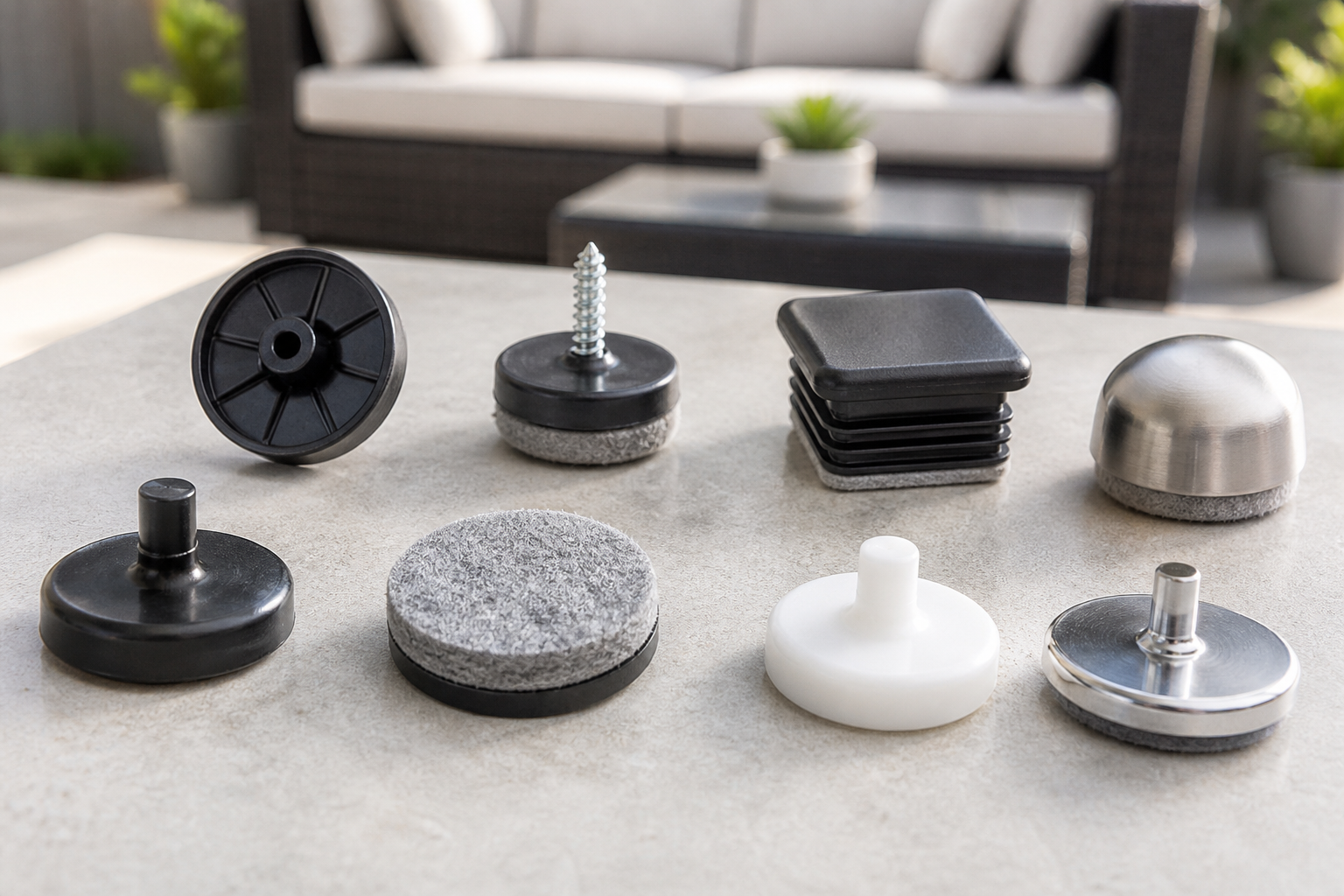
Exploring 9 Amazing Feet Glides Types and Their Applications
Now that we understand the foundational aspects, let’s dive into specific Feet Glides Types that are widely available and highly effective, particularly for patio chairs. Each type offers distinct advantages for different furniture designs and flooring challenges.
Identifying the right glide for your specific needs will ensure your patio chairs are stable, your floors are protected, and your outdoor space remains pristine. Here are 9 amazing options to consider.
- Felt Glides: Best for indoor hardwood, laminate, or tile floors, offering scratch protection and quiet movement. Not ideal for outdoor use due to moisture absorption.
- Plastic Glides (HDPE/Nylon): Highly versatile Feet Glides Types, excellent for outdoor patio chairs on concrete, tile, or composite decks. They are durable, water-resistant, and reduce friction.
- Rubber Glides: Provide excellent grip and shock absorption, making them ideal for preventing sliding on smooth surfaces or for chairs that need extra stability. They also dampen noise.
- Metal Glides: Often made from stainless steel or brass, these are extremely durable and suitable for heavy-duty applications or industrial-style furniture. They are corrosion-resistant for outdoor use.
- Screw-in Glides: Offer a secure and permanent attachment, making them one of the most durable Feet Glides Types. They are ideal for wooden or metal furniture legs where drilling is possible.
- Nail-on Glides: Similar to screw-in but use a nail for attachment. They are generally easier to install but may not be as secure for very heavy or frequently moved furniture.
- Push-in Glides: Designed to fit snugly into hollow furniture legs (e.g., tubular metal patio chairs). These are easy to install and replace, providing a clean, integrated look.
- Adhesive Glides: Simple peel-and-stick options, often made of felt or thin plastic. Best for lightweight furniture or temporary solutions. They are among the easiest Feet Glides Types to apply.
- Threaded Leveling Glides: As discussed, these adjustable glides are perfect for leveling furniture on uneven surfaces, providing stability and preventing wobbling.
When considering which feet glide types are effective at preventing floor scratches, felt glides are paramount for indoor use, while smooth plastic or rubber glides are excellent for outdoor surfaces where friction reduction is key. The most durable types of chair glides often include heavy-duty nylon, HDPE, or metal screw-in options.
Installation and Durability of Feet Glides Types
Proper installation is just as important as choosing the right Feet Glides Types. A poorly installed glide can quickly detach, become ineffective, or even damage your furniture or floor. Understanding the nuances of different installation methods ensures longevity and optimal performance.
Durability is another critical factor, especially for patio chairs exposed to the elements and frequent use. Let’s explore how to install common glides and compare their long-term resilience.
How Do You Install Screw-in Versus Nail-on Furniture Glides?
Installing screw-in Feet Glides Types typically involves a few steps. First, mark the center of the furniture leg. Then, pre-drill a pilot hole slightly smaller than the screw’s diameter to prevent wood splitting. Finally, align the glide and screw it in until it’s flush and secure. This method provides a very strong and lasting attachment.
Nail-on glides are simpler: position the glide on the leg’s center and gently tap the nail with a hammer until it’s fully seated. While quicker, ensure the nail goes in straight to avoid wobbling. Both of these feet glides types require a solid surface for attachment, usually wood or a composite material.
The Pros and Cons of Adhesive vs. Push-in Feet Glides
Adhesive Feet Glides Types offer unparalleled ease of installation: simply peel off the backing and stick them to the clean, dry bottom of the chair leg. Their main advantage is convenience and versatility for various leg shapes. However, their durability can be limited, especially in outdoor conditions where moisture and temperature changes can weaken the adhesive. They may also need frequent replacement.
Push-in glides, conversely, are designed for hollow tubular legs, common in metal patio chairs. They offer a very secure fit once inserted, providing excellent stability and durability. The main con is their specific application; they only work with hollow legs of a precise diameter. Both of these feet glides types are popular for their straightforward application.
What are the Most Durable Feet Glides Types?
When it comes to durability, certain Feet Glides Types stand out. Heavy-duty nylon or HDPE glides, especially those with reinforced bases or screw-in designs, offer exceptional longevity for patio chairs. These materials resist wear, impact, and environmental degradation, making them suitable for high-traffic outdoor areas.
Metal glides, particularly those made from stainless steel, also provide superior durability and corrosion resistance. For maximum resilience, look for glides that are securely attached (screw-in or push-in) and made from robust, weather-resistant materials. This ensures your investment in feet glides types protects your furniture for years.
Find the Perfect Feet Glides Types & Patio Parts at Chair Sling Store
Ensure your outdoor furniture lasts longer and protects your floors with our extensive selection of high-quality replacement parts. From glides to custom slings, we have what you need for a stunning patio.
Sourcing and Cost of Feet Glides Types
Once you’ve identified the ideal Feet Glides Types for your patio chairs, the next step is to find where to purchase them and understand the associated costs. The market offers a wide range of options, from individual packs to bulk supplies, catering to both homeowners and businesses.
Price differences can vary significantly based on material, design, and quantity. Knowing where to look and what to expect financially will help you budget effectively for your furniture maintenance needs.
Where Can I Buy a Variety of Feet Glides Types?
A wide variety of Feet Glides Types can be purchased from several sources. Online retailers are often the most convenient, offering extensive selections from specialized furniture hardware stores to general e-commerce giants. These platforms typically provide detailed product descriptions, customer reviews, and competitive pricing.
Local hardware stores, home improvement centers, and specialty furniture repair shops also stock common feet glides types. For specific or hard-to-find glides, consulting with a patio furniture repair specialist or a dedicated parts supplier like Chair Sling Store can be beneficial.
What are the Price Differences Between Various Feet Glides Types?
The price differences among various Feet Glides Types can be substantial. Simple adhesive felt pads might cost a few dollars for a pack, while high-quality, heavy-duty screw-in or threaded leveling glides made from durable plastics or metal can range from $10 to $30 or more per set of four. Specialty glides for unique furniture designs or very large, heavy items will naturally command higher prices.
Investing in higher-quality feet glides types often pays off in the long run through increased durability and better floor protection, reducing the need for frequent replacements or costly floor repairs.
Where Can I Find Bulk Suppliers for Feet Glides Types?
For businesses, property managers, or individuals undertaking large-scale patio furniture restoration projects, finding bulk suppliers for Feet Glides Types is essential. Wholesale distributors specializing in furniture hardware, industrial supply companies, and direct manufacturers are the primary sources for bulk purchases.
Many online retailers also offer bulk discounts for larger quantities. When sourcing in bulk, always request samples to ensure the quality and compatibility of the feet glides types before committing to a large order. This ensures consistency and cost-effectiveness for your projects.
What are the different types of feet glides available?
Many feet glides types exist, including felt, plastic (HDPE, nylon), metal, rubber, and hybrid options. They can be adhesive, nail-on, screw-in, push-in, or threaded leveling glides, designed for various furniture types and floor surfaces.
How do I choose the best type of feet glide for my furniture?
Choosing the best feet glide type depends on your furniture type (e.g., patio chair, dining chair), the flooring material (hardwood, tile, carpet), and the desired function (scratch prevention, leveling, mobility). Consider durability and installation method as well.
What materials are commonly used for furniture feet glides?
Common materials for feet glides types include felt for delicate floors, high-density polyethylene (HDPE) or nylon for general use, rubber for grip and vibration dampening, and various metals for heavy-duty or threaded applications. Each offers unique benefits.
Why should I use felt glides instead of plastic glides?
Felt glides are preferred over plastic glides for protecting delicate surfaces like hardwood floors, laminate, and luxury vinyl plank (LVP) from scratches. They offer smoother, quieter movement, while plastic glides are often more durable for outdoor or high-traffic areas.
Are there specific feet glide types for outdoor furniture?
Yes, specific feet glides types are designed for outdoor furniture. These are typically made from durable, weather-resistant materials like UV-stabilized plastics (e.g., HDPE, nylon) or stainless steel, which can withstand moisture and temperature fluctuations without corroding or degrading.
Which type of feet glide is best for hardwood floors?
For hardwood floors, felt feet glides are generally considered the best choice. They provide a soft, protective barrier that prevents scratches and allows furniture to slide smoothly and quietly without marring the surface. Ensure the felt is high-quality and securely attached.
What are the most durable types of chair glides?
The most durable feet glides types often include heavy-duty nylon or HDPE glides, especially those with reinforced bases or screw-in designs. Metal glides, particularly stainless steel, also offer exceptional durability for specific applications, like outdoor or industrial settings.
Final Thoughts on Selecting the Best Feet Glides Types
Understanding the vast array of Feet Glides Types is crucial for maintaining the beauty and functionality of your patio chairs and protecting your outdoor surfaces. From the simple elegance of a push-in plastic glide to the robust stability of a threaded leveling foot, each type serves a specific purpose.
By carefully considering your furniture’s design, your patio’s surface, and the environmental factors, you can confidently choose the ideal feet glides types. This small investment in the right accessories will significantly extend the life of your furniture, prevent costly floor damage, and ensure a smooth, stable experience every time you relax outdoors. Make an informed choice, and enjoy the lasting benefits of superior feet glides types.