
Patio Furniture Rivets: 7 Masterful Fixes for Ultimate Outdoor Stability
Patio Furniture Rivets are essential components that ensure the structural integrity and stability of your outdoor seating and tables. Over time, exposure to the elements, constant use, and general wear and tear can cause these crucial fasteners to loosen, break, or corrode. When this happens, your once sturdy patio furniture can become wobbly, unsafe, or even unusable. Understanding how to properly maintain and repair these rivets is key to extending the life of your beloved outdoor pieces.
This comprehensive guide delves into the world of patio furniture fasteners, offering practical solutions and expert advice. We will explore the different types of rivets commonly used, detail the tools you’ll need for effective repairs, and provide step-by-step instructions for replacing damaged components. Our goal is to empower you with the knowledge to tackle common issues, ensuring your outdoor living space remains both beautiful and functional for years to come.
Key Takeaways
- Learn to identify the common types of Patio Furniture Rivets and their specific applications in outdoor furniture.
- Discover essential tools and techniques for safely removing old or broken rivets and installing new ones.
- Understand why rivets fail and how to choose the right replacement materials for lasting durability.
- Explore practical, step-by-step fixes to restore the stability and safety of your patio chairs and tables.
Understanding Patio Furniture Rivets: Types and Materials
When it comes to outdoor furniture, the integrity of its construction largely depends on the fasteners holding it together. Patio Furniture Rivets are a popular choice for their strength and resistance to loosening under vibration, making them ideal for items that see frequent use. Knowing the different types and materials is the first step in any successful repair.
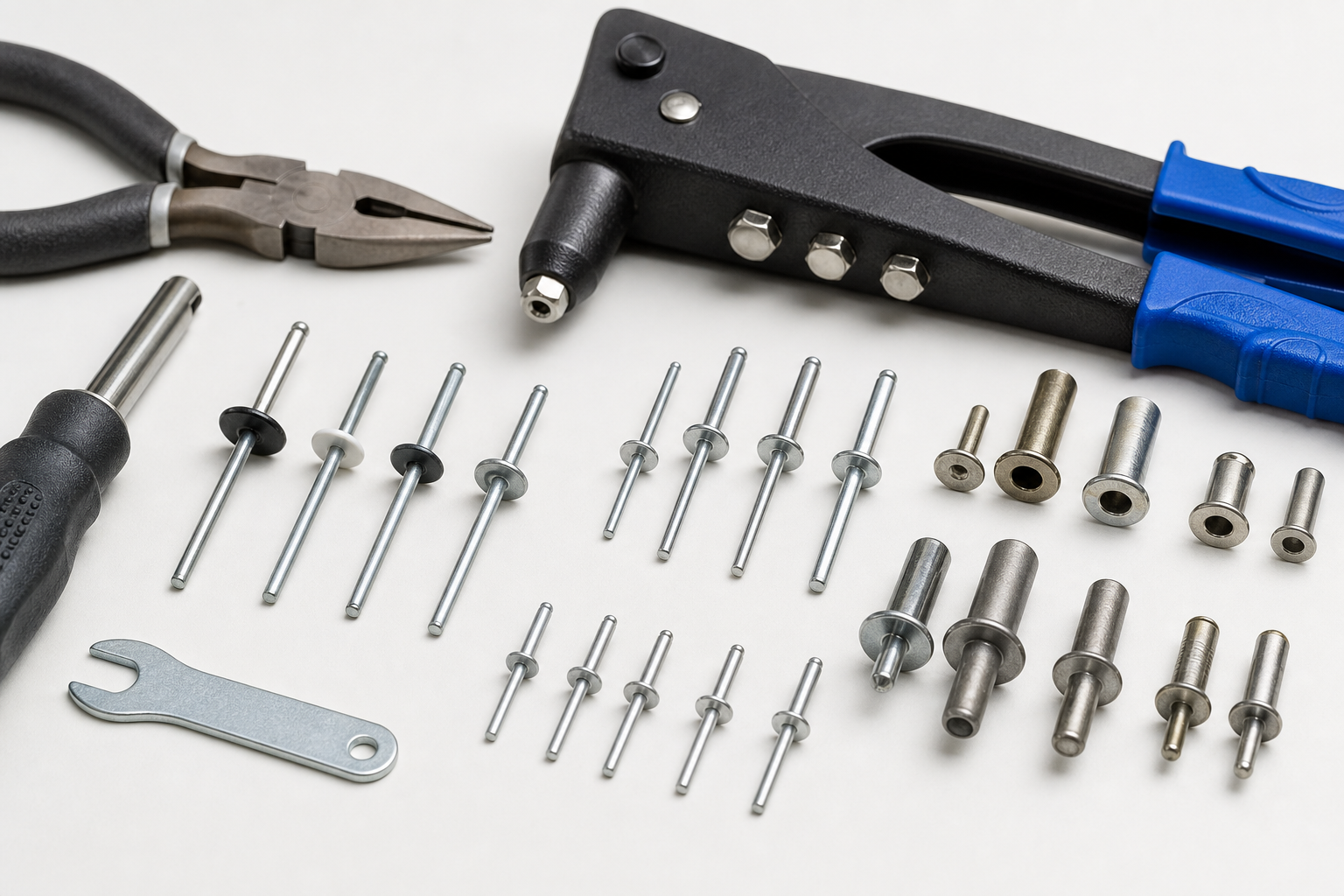
The most common type you’ll encounter in patio furniture is the pop rivet, also known as a blind rivet. These are incredibly versatile because they can be installed when access is only available from one side of the material. This makes them perfect for assembling tubular frames or attaching fabric slings to chair frames. Understanding these specific Patio Furniture Rivets is crucial for effective maintenance.
Solid rivets, while less common in DIY patio furniture repair due to their more complex installation process, offer superior strength and durability. They require access to both sides of the material for installation, typically involving a rivet gun and a bucking bar to deform the rivet’s tail. However, for most home repairs, pop rivets are the go-to solution for securing various components of your outdoor furniture.
Common Materials for Patio Furniture Rivets
The material of your Patio Furniture Rivets is just as important as their type, especially given the harsh outdoor environment. Aluminum rivets are widely used for their excellent corrosion resistance and lightweight properties. They are often found in aluminum-framed patio furniture, preventing galvanic corrosion that can occur when dissimilar metals are in contact.
Stainless steel rivets offer superior strength and even better corrosion resistance, making them a premium choice for high-stress applications or marine environments. While they are harder to install than aluminum rivets, their enhanced durability can be worth the extra effort. For any repair involving Patio Furniture Rivets, matching the original material or upgrading to stainless steel is a wise decision.
Plastic rivets are sometimes used in lighter-duty applications or for decorative purposes. While easy to install, they lack the structural strength of metal rivets and are more prone to degradation from UV exposure and temperature fluctuations. Always assess the original rivet material before attempting a repair to ensure you select an appropriate replacement.
Why Patio Furniture Rivets Fail: Common Causes and Prevention
Even the most robust Patio Furniture Rivets can eventually succumb to the rigors of outdoor living. Understanding the common reasons for their failure can help you prevent future issues and make more informed repair decisions. Identifying the root cause is often the first step in a lasting fix for your outdoor furniture.
One of the primary culprits is continuous stress from use. Every time someone sits down or shifts in a chair, the rivets bear the load. Over time, this repeated stress can lead to metal fatigue, causing the rivet to loosen or shear off entirely. This is particularly true for high-traffic pieces of furniture.
Exposure to harsh weather conditions is another significant factor. Rain, humidity, UV radiation, and extreme temperatures can accelerate corrosion, especially if the rivets are made of a less resistant material or if their protective coating wears off. This environmental degradation weakens the structural integrity of the Patio Furniture Rivets, leading to premature failure.
Galvanic Corrosion and Loose Patio Furniture Rivets
Galvanic corrosion is a less obvious but equally destructive cause of rivet failure. This occurs when two dissimilar metals are in electrical contact in the presence of an electrolyte, such as moisture. For example, if a steel rivet is used in an aluminum frame, the aluminum can corrode rapidly around the rivet. This is why selecting the correct material for your Patio Furniture Rivets is so important.
Poor installation can also lead to premature failure. If a rivet is not properly set, it may not create a strong enough joint, leading to looseness and eventual breakage. Similarly, using an incorrect size of rivet for the application can compromise the joint’s strength. Always ensure proper installation techniques are followed to maximize the lifespan of your outdoor furniture.
To prevent these issues, regularly inspect your patio furniture for any signs of loose or corroded rivets. Address minor issues promptly before they escalate into major repairs. Cleaning your furniture regularly and applying protective coatings can also help extend the life of your Patio Furniture Rivets and the furniture itself.
Need Durable Patio Furniture Rivets? Explore Chair Sling Store!
Chair Sling Store offers premium replacement rivets and parts, ensuring your outdoor furniture remains strong and beautiful. Restore stability with our expert-selected components.
Essential Tools for Working with Patio Furniture Rivets
Embarking on a repair project involving Patio Furniture Rivets requires the right set of tools to ensure a smooth and effective process. Having these items on hand will make removing old rivets and installing new ones significantly easier and safer. Don’t start your project without gathering these essentials.
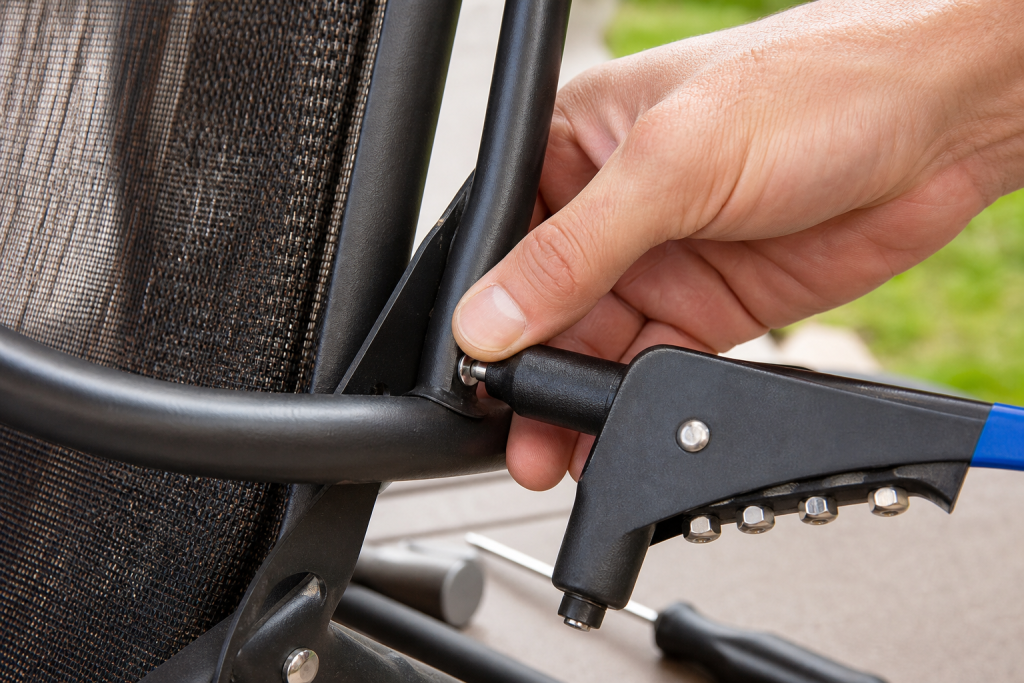
The most crucial tool for installing pop rivets is a rivet gun, also known as a pop rivet tool. These come in various designs, from manual hand-held models to electric or pneumatic versions for heavy-duty use. For most patio furniture repairs, a standard manual rivet gun will suffice. Ensure your rivet gun is compatible with the size of the Patio Furniture Rivets you plan to use.
To remove old or broken rivets, you will need a drill and a set of drill bits. Select a drill bit that is slightly larger than the rivet’s central pin (mandrel) but smaller than the rivet’s head. This allows you to drill out the head without enlarging the existing hole in the furniture frame. Safety glasses are absolutely mandatory when drilling to protect your eyes from flying debris.
Other useful tools include a center punch to mark the exact drilling spot, pliers or vice grips for holding components, and a hammer for gently tapping out stubborn rivet shafts. Having a wire brush can also be helpful for cleaning any corrosion or debris from the rivet holes before installing new Patio Furniture Rivets. A well-equipped toolbox makes all the difference.
Choosing the Correct Rivet Gun for Patio Furniture Repair
Selecting the right rivet gun is paramount for successful installation of Patio Furniture Rivets. Manual rivet guns are the most common and cost-effective choice for DIY enthusiasts. They operate by squeezing handles together, which pulls the rivet’s mandrel, expanding the rivet and securing it in place. Look for a model with interchangeable nosepieces to accommodate different rivet diameters.
For larger projects or frequent repairs, a heavy-duty or even a pneumatic rivet gun might be considered. These tools reduce hand fatigue and speed up the installation process. However, for occasional repairs of Patio Furniture Rivets, a basic manual tool from a reputable hardware store will serve you well. Always check the tool’s specifications to ensure it can handle the material and size of rivets you intend to use.
How to Remove Damaged Patio Furniture Rivets
Removing damaged or loose Patio Furniture Rivets is a critical step before you can install new ones. This process requires precision and care to avoid damaging the surrounding furniture frame. Follow these steps to safely and effectively remove old rivets, preparing your furniture for a fresh start.
First, gather your safety gear, including safety glasses and gloves. Position the furniture on a stable surface where you have good access to the rivet. If the rivet head is still intact, you will need to drill it out. Select a drill bit that is slightly larger than the central pin of the rivet but smaller than the outer diameter of the rivet head. This ensures you only remove the head and not enlarge the hole.
Using your drill, carefully drill directly into the center of the rivet head. Apply steady, moderate pressure. The goal is to drill through the head until it separates from the rivet shaft. Once the head is detached, the remaining shaft of the rivet can usually be pushed out with a punch or a smaller drill bit. This method is effective for most types of Patio Furniture Rivets.
Dealing with Rusted or Stubborn Patio Furniture Rivets
Rusted or particularly stubborn Patio Furniture Rivets might require a bit more effort. If the rivet head is heavily corroded, it might be difficult to find the center for drilling. In such cases, you can try using a grinding tool with a small bit to carefully grind away the head. Always proceed slowly to avoid damaging the furniture frame.
Once the head is removed, if the shaft doesn’t easily push out, you can try using penetrating oil on the rivet from both sides, if possible. Let it sit for a few minutes, then try tapping it out with a hammer and a punch. Patience is key when dealing with these challenging Patio Furniture Rivets. Never force the rivet out, as this could bend or damage the furniture frame, making subsequent repairs more difficult.
Installing New Patio Furniture Rivets: A Step-by-Step Guide
Once the old, damaged fasteners are removed, installing new Patio Furniture Rivets is a straightforward process that can quickly restore the stability of your outdoor furniture. This guide will walk you through the steps to ensure a secure and lasting repair. Proper installation is key to the longevity of your furniture.
Begin by ensuring the holes are clean and free of any debris or burrs. If necessary, use a small file or sandpaper to smooth the edges. This ensures the new rivet sits flush and creates a strong bond. Select a new rivet that matches the diameter and grip range of the original, or one that is appropriate for the thickness of the materials being joined.
Insert the new pop rivet into the prepared hole. The rivet’s body should pass through both pieces of material you are joining. Ensure the parts are aligned correctly and held firmly together. This is a crucial step for any repair involving Patio Furniture Rivets, as misalignment can lead to a weak joint.
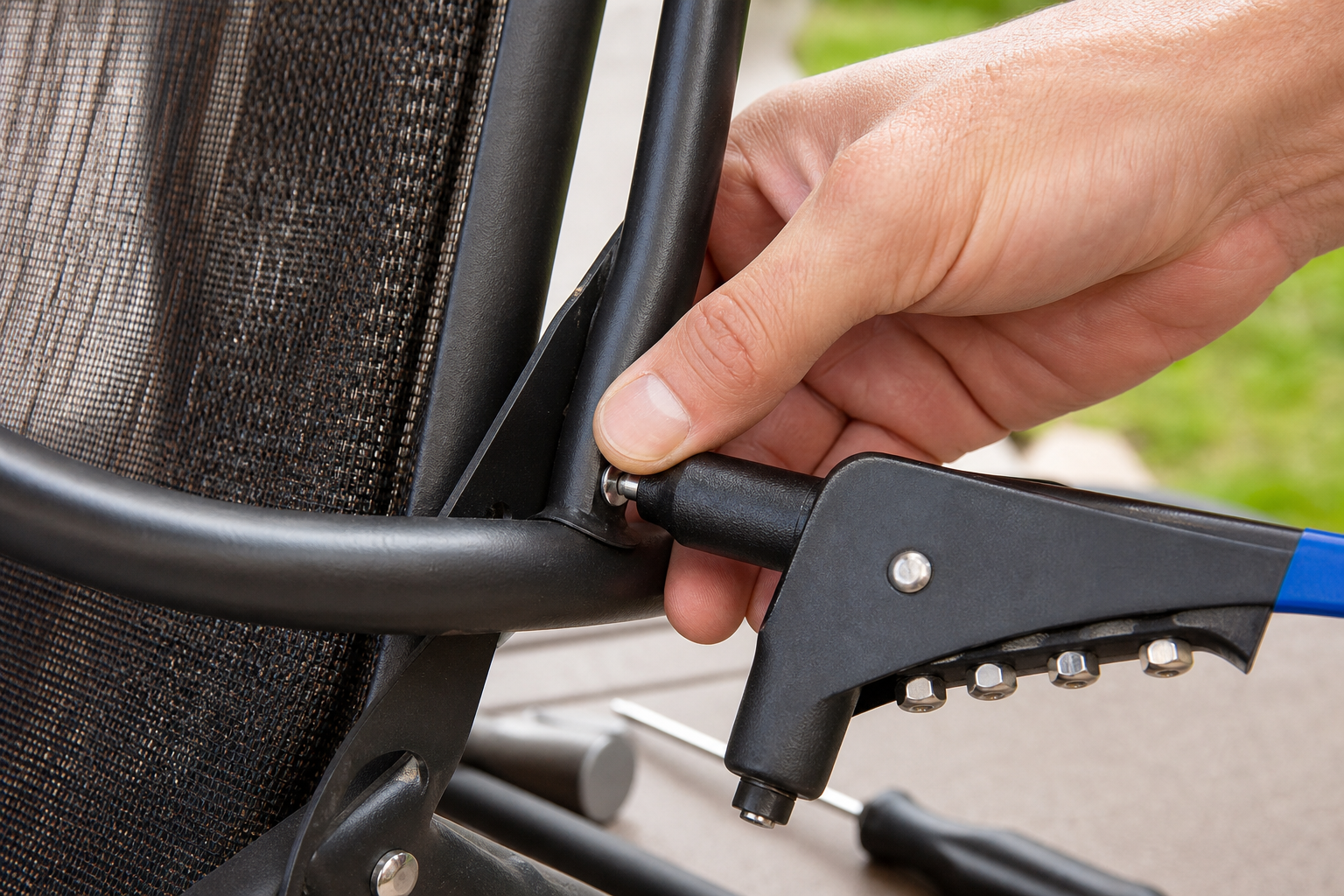
Next, open the handles of your rivet gun and insert the mandrel (the thin pin) of the rivet into the nosepiece of the tool. Position the nosepiece firmly against the head of the rivet, ensuring it is flush with the material. Squeeze the handles of the rivet gun together with steady, firm pressure. You will feel the rivet expand and pull the materials together. Continue squeezing until the mandrel snaps off, indicating the rivet is fully set.
This completes the installation of your new Patio Furniture Rivets.
Tips for a Strong and Secure Rivet Installation
For a truly strong and secure installation of Patio Furniture Rivets, consider these additional tips. Always ensure the materials being joined are tightly clamped together before setting the rivet. Any gaps can result in a loose joint even after the rivet is installed. If working with soft materials, consider using a washer under the rivet head to distribute the load more evenly.
Practice on scrap material first if you are new to using a rivet gun. This will help you get a feel for the tool and ensure you are applying the correct amount of pressure. Regularly check the condition of your rivet gun’s nosepiece, as a worn nosepiece can lead to improper rivet setting. By following these guidelines, you can ensure your Patio Furniture Rivets provide ultimate stability.
Choosing the Right Patio Furniture Rivets for Your Repair
Selecting the appropriate Patio Furniture Rivets is paramount for a successful and long-lasting repair. The wrong type, size, or material can lead to premature failure and further damage to your outdoor furniture. This section will guide you through the key considerations when purchasing replacement rivets.
First, consider the material. As discussed, aluminum rivets are excellent for general outdoor use due to their corrosion resistance, especially when repairing aluminum frames. Stainless steel rivets offer superior strength and rust protection, making them ideal for high-stress areas or furniture exposed to harsh conditions. Avoid using steel rivets with aluminum frames to prevent galvanic corrosion, which can quickly degrade your Patio Furniture Rivets.
Next, determine the correct size. Rivets are measured by their diameter and grip range. The diameter should match the existing hole in your furniture frame as closely as possible without being too tight or too loose. The grip range refers to the total thickness of the materials the rivet will join. Ensure the rivet’s grip range is appropriate for your specific application; too short, and it won’t hold; too long, and it won’t set properly.
Many manufacturers of Patio Furniture Rivets provide detailed sizing charts.
Where to Purchase Replacement Patio Furniture Rivets
Finding the right replacement Patio Furniture Rivets is easier than ever. Specialized hardware stores often carry a good selection of pop rivets in various materials and sizes. Online retailers, particularly those specializing in outdoor furniture parts or fasteners, offer an even wider array. For instance, Chair Sling Store is a reliable source for high-quality components designed specifically for outdoor furniture repair.
When purchasing, consider buying a small assortment of sizes if you are unsure, or if you have multiple pieces of furniture to repair. This ensures you have the right Patio Furniture Rivets on hand for any project. Always prioritize quality over cost, as durable rivets will provide a much longer lifespan for your repaired furniture. Investing in good quality rivets saves you time and effort in the long run.
DIY vs. Professional Repairs for Patio Furniture Rivets
Deciding whether to tackle a repair involving Patio Furniture Rivets yourself or to hire a professional often comes down to the complexity of the damage, your comfort level with tools, and the value of the furniture. Many common rivet repairs are well within the capabilities of a diligent DIY enthusiast.
For simple tasks like replacing a single loose or broken pop rivet on a patio chair, a DIY approach is often the most cost-effective and quickest solution. With the right tools and a bit of patience, you can easily restore stability to your furniture. The satisfaction of successfully completing a repair yourself is also a significant bonus. This is especially true for straightforward replacements of Patio Furniture Rivets.
However, there are instances where professional help might be advisable. If the furniture frame itself is bent or severely damaged, or if multiple structural rivets have failed, a professional repair service might be better equipped to handle the job. They often have specialized tools and expertise to address more complex structural issues, ensuring the furniture is safely restored. A professional can also advise on the best type of Patio Furniture Rivets for unique situations.
Advantages of Using Rivets Versus Screws for Patio Furniture
Many wonder why manufacturers use rivets instead of screws for patio furniture. Rivets offer several distinct advantages, particularly in outdoor applications. They provide a permanent, vibration-resistant joint that is less likely to loosen over time compared to screws. This is crucial for furniture that experiences constant movement and stress.
Furthermore, rivets create a flush finish, which can be more aesthetically pleasing and prevent snagging on clothing. They also tend to distribute stress more evenly across the joint, reducing the likelihood of material fatigue. While screws allow for easier disassembly, the permanent nature of Patio Furniture Rivets often translates to greater long-term durability and stability in outdoor settings. Manufacturers like Stanley Engineered Fastening are renowned for producing high-quality pop rivets suitable for such applications.
The average cost of Patio Furniture Rivets is generally quite low, typically ranging from a few cents to a dollar per rivet, depending on the material and quantity. This makes DIY repairs an attractive option. A small pack of aluminum pop rivets might cost between $5-$15, making it an affordable fix for common issues. For bulk patio furniture rivets, you can often find better pricing from online suppliers or specialty fastener distributors.
Conclusion: Mastering Patio Furniture Rivets for Lasting Outdoor Enjoyment
Maintaining the stability and longevity of your outdoor living space often comes down to the smallest details, and Patio Furniture Rivets are certainly among the most critical. From understanding the different types and materials to mastering the techniques for removal and installation, you now have the essential knowledge to tackle common repairs with confidence.
Addressing loose or broken rivets promptly not only enhances the safety of your furniture but also significantly extends its lifespan, allowing you to enjoy your outdoor oasis for many seasons to come.
Remember, the key to successful repairs lies in choosing the right Patio Furniture Rivets, using the correct tools, and applying careful, precise techniques. Whether you opt for a DIY approach or seek professional assistance for more complex issues, investing in the integrity of your patio furniture is always a worthwhile endeavor. By taking proactive steps, you ensure that your outdoor pieces remain strong, secure, and ready for countless moments of relaxation and enjoyment.
What are the different types of rivets used in patio furniture?
Patio furniture commonly uses pop rivets (blind rivets) made of aluminum or stainless steel for ease of installation, requiring access from only one side. Solid rivets, though more durable, are less common in DIY repairs due to their complex installation process that involves deforming both ends.
How do you replace a broken rivet on a patio chair?
To replace a broken rivet, first drill out the old rivet carefully using a drill bit slightly larger than the rivet’s shaft. Insert a new pop rivet into the hole and use a rivet gun to pull the mandrel, expanding the rivet and securing the joint. Ensure the new rivet matches the original’s size and material for the best fit and durability.
Where can I purchase replacement rivets for patio furniture?
Replacement rivets for patio furniture can be purchased from specialized hardware stores, online retailers, and dedicated outdoor furniture repair suppliers like Chair Sling Store. They often offer a variety of materials and sizes suitable for different types of patio furniture.
What size and material rivets are best for outdoor furniture repair?
For outdoor furniture repair, aluminum pop rivets are popular for their corrosion resistance and ease of use. Stainless steel rivets offer superior strength and rust protection but are harder to install. Choose a rivet size (diameter and grip range) that closely matches the original to ensure a secure and lasting repair.
Why do rivets on outdoor furniture become loose or break?
Rivets on outdoor furniture can become loose or break due to continuous stress from use, exposure to harsh weather conditions causing material fatigue, or galvanic corrosion if dissimilar metals are used. Over time, these factors can weaken the rivet’s integrity, leading to failure.
Can I fix my patio furniture with rivets myself, or do I need a professional?
Many common patio furniture rivet repairs can be successfully completed as a DIY project with the right tools, such as a drill and a rivet gun, and appropriate replacement rivets. For complex structural damage or if you lack confidence, consulting a professional repair service is advisable.
What tools are required to install rivets on patio chairs?
To install rivets on patio chairs, you will primarily need a drill with bits to remove old rivets, a rivet gun (also known as a pop rivet tool) to install new ones, and potentially a marker or punch for precise hole alignment. Safety glasses and gloves are also recommended.
Are there specific rivets designed for aluminum patio furniture?
Yes, for aluminum patio furniture, it is generally best to use aluminum pop rivets to prevent galvanic corrosion, which can occur when dissimilar metals are in contact in a moist environment. Stainless steel rivets can also be used, but ensure they are compatible and properly insulated if necessary.
How do I remove rusted or damaged rivets from patio furniture frames?
To remove rusted or damaged rivets, use a drill with a bit slightly larger than the rivet’s central pin (mandrel) to carefully drill through the head. Once the head is removed, the remaining shaft can usually be punched out. Always wear safety glasses when drilling.
What is the average cost of patio furniture rivets?
The cost of patio furniture rivets is generally low, ranging from a few cents to a dollar per rivet depending on material, size, and quantity purchased. A small pack of common aluminum pop rivets might cost around $5-$15, while specialty stainless steel rivets could be more.