
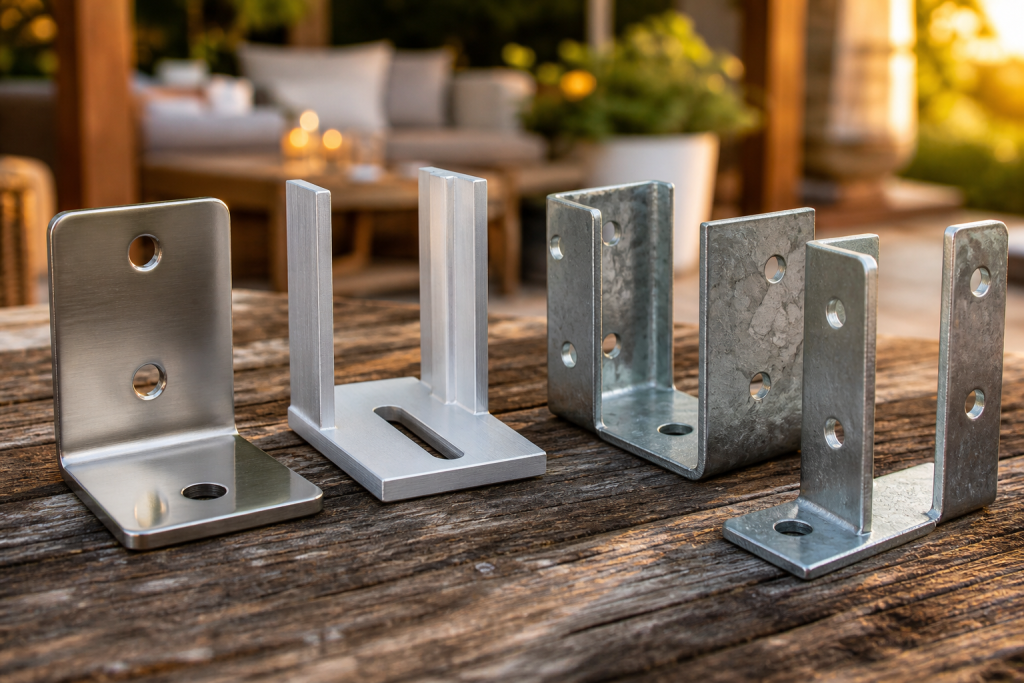
Patio Bracket Materials: 7 Powerful Choices for Unbeatable Outdoor Strength
Patio Bracket Materials are the unsung heroes of outdoor furniture and structures, providing the crucial stability and longevity needed to withstand the elements. Choosing the right materials for your patio brackets is not merely a technical decision; it’s an investment in the durability and safety of your outdoor living spaces. From supporting a pergola to securing a swing, the strength and weather resistance of these components are paramount.
In this comprehensive guide, we will explore seven powerful choices for patio bracket materials, detailing their unique properties, advantages, and ideal applications. We’ll delve into how different climates influence your selection, compare the strength and lifespan of various options, and provide practical tips to ensure your outdoor installations remain robust and beautiful for years to come. Prepare to unlock the secrets to unbeatable outdoor strength.
Key Takeaways for Patio Bracket Materials
- Understand the critical role that material choice plays in the longevity and structural integrity of your outdoor installations.
- Discover the top 7 powerful options for patio bracket materials, including metals and composites, and their specific benefits.
- Learn how environmental factors, such as climate and proximity to saltwater, should guide your selection of durable patio bracket materials.
- Gain insights into comparing strength, corrosion resistance, and maintenance requirements to make informed decisions for your projects.
Understanding Essential Patio Bracket Materials
The foundation of any robust outdoor structure lies in its connectors. When it comes to patio brackets, the material choice dictates everything from its load-bearing capacity to its lifespan in varying weather conditions. Understanding the properties of different patio bracket materials is the first step toward building something that truly lasts.
Many homeowners and DIY enthusiasts often overlook the importance of these small but mighty components. Yet, a flimsy or unsuitable bracket can compromise the entire structure, leading to costly repairs or even safety hazards. We’ll explore the most common materials and why they are chosen for specific outdoor applications.
Common Patio Bracket Materials Explained
What are the most common materials used for patio brackets? Typically, you’ll find a range of metals and, increasingly, advanced composites. Each offers a unique balance of strength, corrosion resistance, weight, and cost. Steel, in its various forms, is a perennial favorite due to its inherent strength, while aluminum provides excellent corrosion resistance with less weight.
The choice often comes down to balancing these factors against the specific demands of your project and local climate. For instance, a bracket supporting a heavy wooden beam will require different properties than one securing a lightweight privacy screen. Knowing these distinctions is key to making an informed decision.
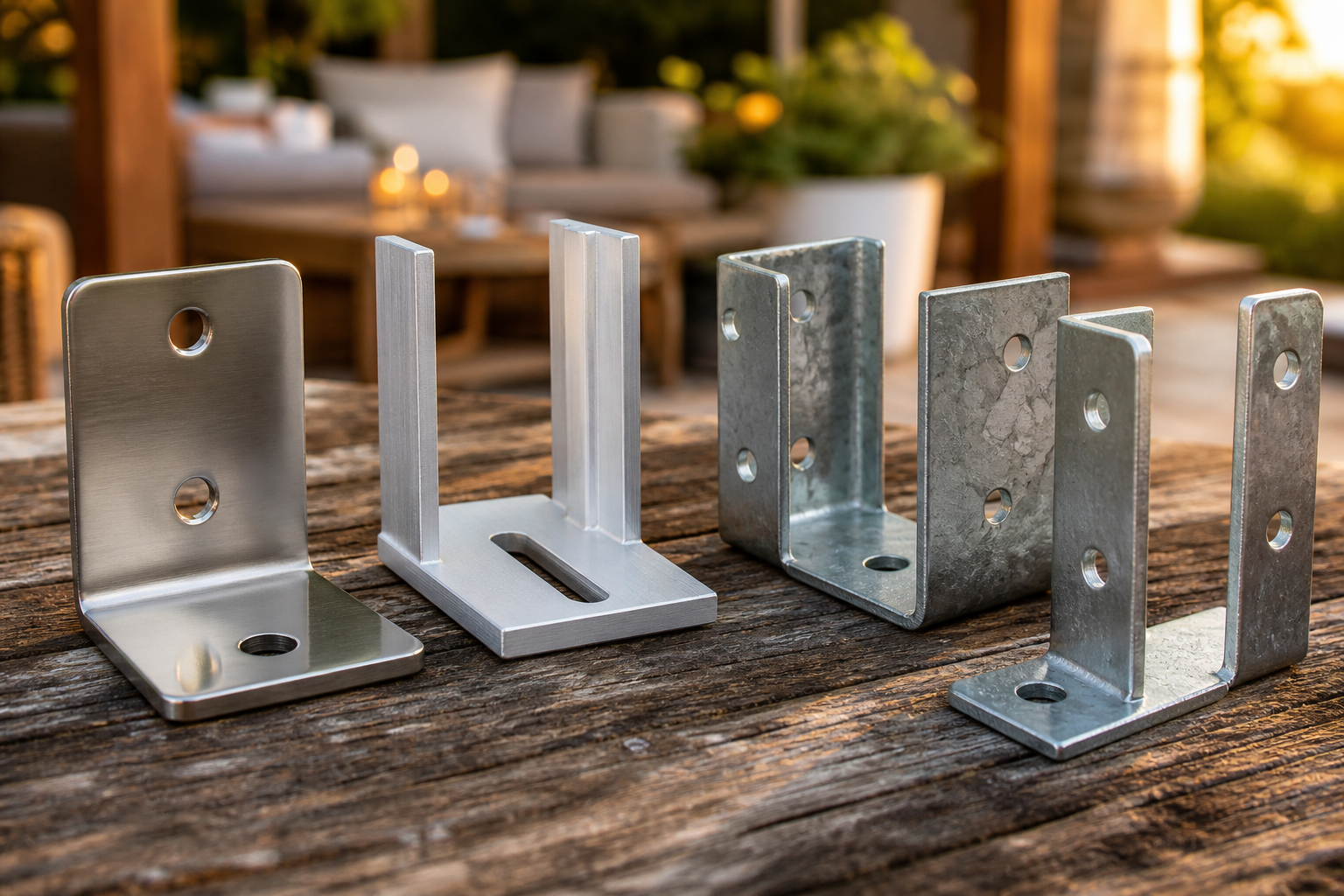
Stainless Steel Patio Bracket Materials: The Ultimate in Durability
When it comes to enduring the harshest outdoor conditions, stainless steel stands out as a premier choice for patio bracket materials. Its exceptional resistance to rust, corrosion, and staining makes it ideal for applications where longevity and minimal maintenance are top priorities. This material is particularly favored in environments exposed to moisture or chemicals.
Why is stainless steel a popular choice for outdoor patio brackets? Its inherent properties, derived from a minimum of 10.5% chromium content, create a passive layer that self-repairs when scratched, protecting the metal underneath. This makes it incredibly resilient against rain, humidity, and even saltwater spray.
Why Stainless Steel Patio Bracket Materials Excel Outdoors
There are several grades of stainless steel, with 304 and 316 being the most common for outdoor use. Grade 304 offers excellent general corrosion resistance and is suitable for most outdoor applications. However, for extreme conditions, such as coastal areas or environments with high salt exposure, 316 marine-grade stainless steel is superior. It contains molybdenum, which significantly enhances its resistance to chlorides.
The strength of stainless steel also means that patio bracket materials made from it can handle substantial loads, making them perfect for structural elements like deck supports, pergola connections, and heavy-duty furniture. While often a higher initial investment, its unparalleled lifespan and low maintenance often result in long-term savings.
Aluminum Patio Bracket Materials: Lightweight Strength
Aluminum offers a compelling alternative for patio bracket materials, particularly when weight is a concern or when pairing with other aluminum components. Known for its lightweight nature and natural corrosion resistance, aluminum is a versatile material that performs well in many outdoor settings.
Unlike steel, aluminum does not rust. Instead, it forms a protective oxide layer when exposed to air, which prevents further corrosion. This makes it an excellent choice for areas that experience consistent rainfall or humidity, but not necessarily harsh chemical exposure like saltwater.
Pros and Cons of Aluminum Patio Bracket Materials
What are the pros and cons of using aluminum for patio brackets? On the positive side, aluminum is incredibly light, making installation easier and reducing the overall load on structures. It’s also naturally resistant to corrosion and can be easily fabricated into various shapes. Furthermore, aluminum is recyclable, offering an eco-friendly material option for patio brackets.
However, aluminum is generally not as strong as steel, meaning larger or thicker brackets may be required to achieve comparable load capacities. It can also be susceptible to galvanic corrosion if directly coupled with dissimilar metals without proper insulation. This is a critical consideration when designing your outdoor project to ensure the longevity of your patio bracket materials.
Galvanized Steel Patio Bracket Materials: Cost-Effective Protection
For projects requiring robust strength without the premium cost of stainless steel, galvanized steel patio bracket materials present an excellent solution. Galvanization involves coating steel with a layer of zinc, which acts as a sacrificial barrier against rust and corrosion. This process significantly extends the lifespan of steel in outdoor environments.
The zinc coating protects the underlying steel in two ways: it forms a physical barrier, and if scratched, the zinc corrodes preferentially to the steel, protecting it through cathodic protection. This makes galvanized steel a popular choice for many outdoor structural applications, from fencing to deck framing.
Galvanized Steel Patio Bracket Materials in Different Environments
Are galvanized steel patio brackets suitable for marine environments? While galvanized steel offers good protection against general atmospheric corrosion, it is generally not recommended for direct exposure to marine environments. The high salt content in coastal air and saltwater can accelerate the degradation of the zinc coating, leading to premature rust. For such harsh conditions, marine-grade stainless steel (316) or even specialized coatings on aluminum would be more appropriate.
For inland areas with moderate humidity and rainfall, however, galvanized steel patio bracket materials provide reliable, long-lasting performance at a more budget-friendly price point than stainless steel. It strikes a good balance between strength, corrosion resistance, and cost-effectiveness.
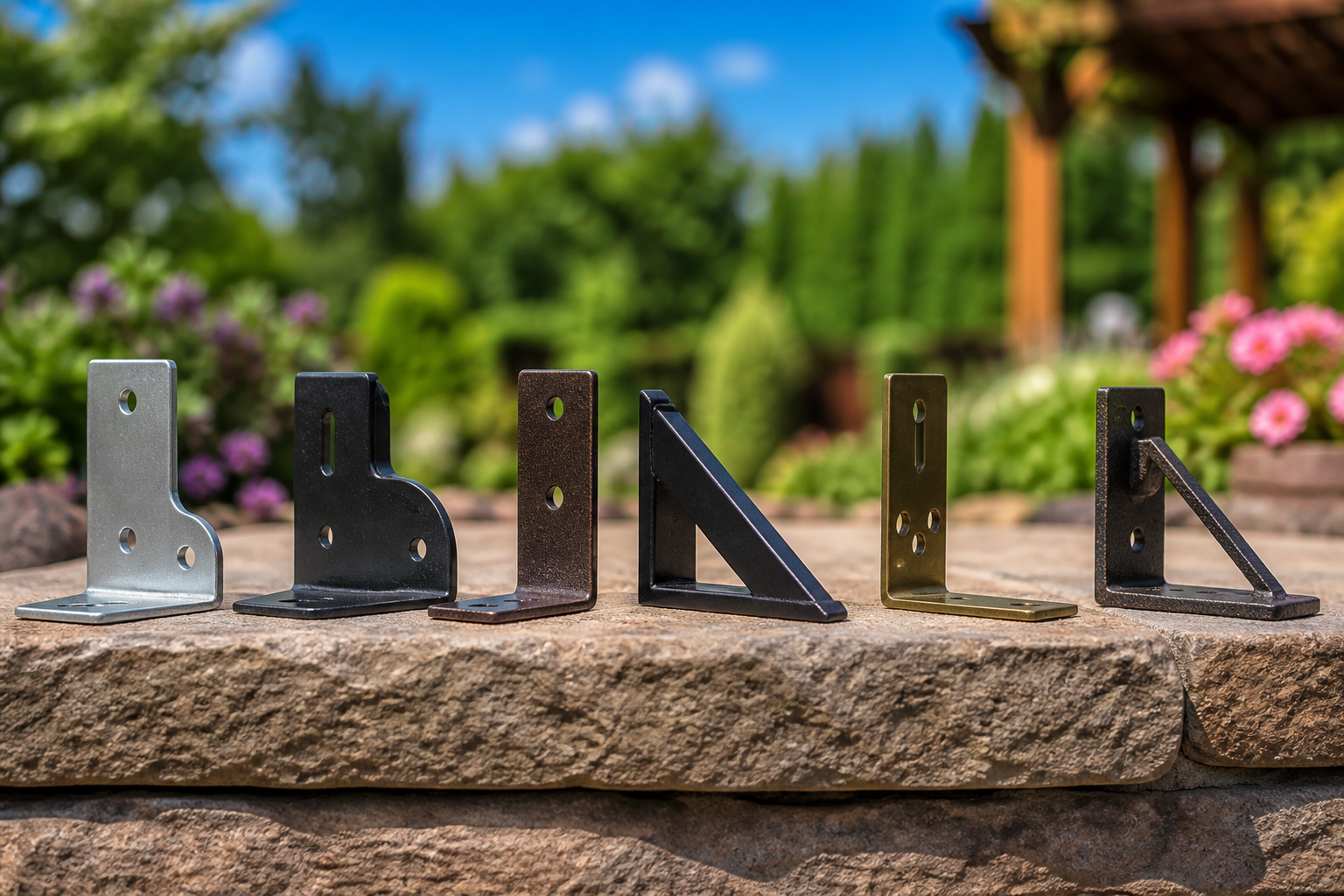
Composite and Specialty Patio Bracket Materials
Beyond traditional metals, the market for patio bracket materials is evolving to include advanced composites and specialty alloys. These materials often offer unique benefits, such as enhanced weather resistance, reduced weight, or specific aesthetic qualities, catering to niche applications and design preferences.
Composite brackets, often made from reinforced polymers or fiberglass, are exceptionally resistant to moisture, UV radiation, and many chemicals. They won’t rust, rot, or splinter, making them virtually maintenance-free. What is the typical lifespan of composite patio brackets? With proper installation, they can last for decades, often exceeding the lifespan of some metal alternatives in certain conditions.
Can I Use Treated Lumber for Patio Brackets?
Can I use treated lumber for patio brackets, and what are the considerations? While treated lumber is excellent for structural beams and posts due to its resistance to rot and insects, it’s generally not ideal for small, high-stress brackets. Lumber can warp, split, and its strength can be less consistent than metal, especially at connection points. If used, ensure it’s adequately sized, properly joined, and protected from direct ground contact.
For critical connections, metal patio bracket materials are almost always preferred for superior strength and stability.
Specialty alloys, such as those used in aerospace or marine industries, might also be considered for extremely demanding applications, though their cost is typically much higher. These options provide designers and homeowners with greater flexibility to match specific performance requirements and aesthetic visions.
Enhance Your Patio with Quality Patio Bracket Materials from Chair Sling Store
Ensure the lasting strength and stability of your outdoor furniture with premium patio bracket materials and essential repair parts. Chair Sling Store provides durable solutions to keep your patio structures robust and beautiful.
Choosing the Right Patio Bracket Materials for Your Project
Selecting the optimal patio bracket materials involves a careful assessment of several factors. It’s not just about strength; it’s about matching the material to the environment, the load it will bear, and your budget. Making an informed choice ensures both safety and longevity for your outdoor investment.
How do I compare the strength of different patio bracket materials? Generally, steel (stainless or galvanized) offers the highest tensile strength, followed by some specialty alloys, and then aluminum. Composite materials vary widely in strength depending on their composition and reinforcement. Always consult manufacturer specifications for load ratings.
Climate and Cost Considerations for Patio Bracket Materials
How does the climate affect the best material choice for patio brackets? Coastal climates demand materials with superior corrosion resistance, such as 316 stainless steel or anodized aluminum, to combat salt spray. Inland, humid environments benefit from galvanized steel or 304 stainless steel. Dry climates might allow for more basic options, but UV resistance for composites remains important.
What is the cost range for high-quality patio bracket materials? Prices vary significantly. Galvanized steel is often the most economical, followed by aluminum. Stainless steel, particularly 316 grade, will be at the higher end. Composite brackets can range from mid-tier to high-end depending on their design and features. For bulk suppliers for patio bracket raw materials, industrial hardware distributors or specialized metal suppliers are your best bet.
Powder-Coated vs. Raw Metal Patio Bracket Materials
How to choose between powder-coated and raw metal patio bracket materials? Powder coating adds an extra layer of protection against corrosion and abrasion, while also offering aesthetic customization. It’s an excellent choice for steel brackets, enhancing their weather resistance and appearance. Raw metal, especially stainless steel or aluminum, can be left exposed due to their inherent resistance, but powder coating can still improve durability and visual appeal. Consider the balance of protection, aesthetics, and budget.
Ensuring Longevity: Maintenance and Installation of Patio Bracket Materials
Even the most durable patio bracket materials require proper installation and occasional maintenance to achieve their maximum lifespan. Correct installation techniques are crucial for ensuring the structural integrity and safety of your outdoor projects. Always follow manufacturer guidelines and local building codes.
Which patio bracket materials require the least maintenance? Stainless steel (especially 316 grade) and aluminum typically require the least maintenance. Their inherent corrosion resistance means less frequent cleaning or protective coatings are needed, though occasional cleaning to remove dirt and debris is still beneficial. Galvanized steel may benefit from periodic inspection for coating damage, especially in harsher environments.
For optimal performance, ensure all fasteners are appropriate for the chosen bracket material and environment. For example, using stainless steel fasteners with stainless steel brackets prevents galvanic corrosion. Regular inspections for loose connections, rust, or wear can catch potential issues early, extending the life of your entire outdoor setup. For high-quality replacement parts and durable patio bracket materials, explore options at Chair Sling Store.
What are the most common materials used for patio brackets?
The most common patio bracket materials include stainless steel (304 and 316 grade), aluminum, galvanized steel, and sometimes powder-coated steel or reinforced composites. Each offers distinct advantages in terms of strength, corrosion resistance, and cost.
Why is stainless steel a popular choice for outdoor patio brackets?
Stainless steel is highly popular for outdoor patio brackets due to its exceptional corrosion resistance, strength, and aesthetic appeal. Grades like 316 stainless steel are particularly resistant to saltwater and harsh outdoor elements, making them ideal for long-lasting applications.
How does the climate affect the best material choice for patio brackets?
Climate significantly impacts material choice. Coastal or humid environments require materials with high corrosion resistance, like marine-grade stainless steel (316) or aluminum. Dry climates might allow for galvanized steel or powder-coated options, as moisture damage is less of a concern.
What are the pros and cons of using aluminum for patio brackets?
Aluminum patio brackets are lightweight, naturally corrosion-resistant, and relatively affordable. However, they are generally less strong than steel and can be susceptible to galvanic corrosion if not properly insulated from other metals.
Are galvanized steel patio brackets suitable for marine environments?
While galvanized steel offers good rust protection, it is generally not recommended for direct exposure to marine environments. The high salt content can quickly degrade the zinc coating, leading to corrosion. Marine-grade stainless steel (316) is a superior choice for coastal areas.
Which patio bracket materials require the least maintenance?
Stainless steel (especially 316 grade) and aluminum typically require the least maintenance among common patio bracket materials. Their inherent corrosion resistance means less frequent cleaning or protective coatings are needed, though occasional cleaning is still beneficial.
Can I use treated lumber for patio brackets, and what are the considerations?
While treated lumber offers decay and insect resistance, it’s generally not ideal for structural patio brackets due to its susceptibility to warping, splitting, and less consistent strength compared to metal options. If used, ensure proper sizing, jointing, and protection from direct ground contact.
Your Invitation to Unbeatable Outdoor Strength with Patio Bracket Materials
Choosing the right patio bracket materials is a foundational decision that impacts the safety, stability, and aesthetic appeal of your outdoor spaces. By understanding the distinct advantages of stainless steel, aluminum, galvanized steel, and advanced composites, you are empowered to make choices that truly last. Each material offers a unique blend of strength, corrosion resistance, and cost, tailored to specific environmental demands and project needs.
Investing in the right Patio Bracket Materials ensures that your outdoor furniture, pergolas, and other structures can withstand the test of time and weather. Prioritize quality, consider your climate, and always ensure proper installation for a truly unbeatable outdoor experience. Your patio deserves nothing less than the strongest foundation.
Learn more from authoritative resources: Consumer Reports and HGTV.