
Patio Table Leg Repair: 4 Brilliant Steps to Restore Outdoor Stability
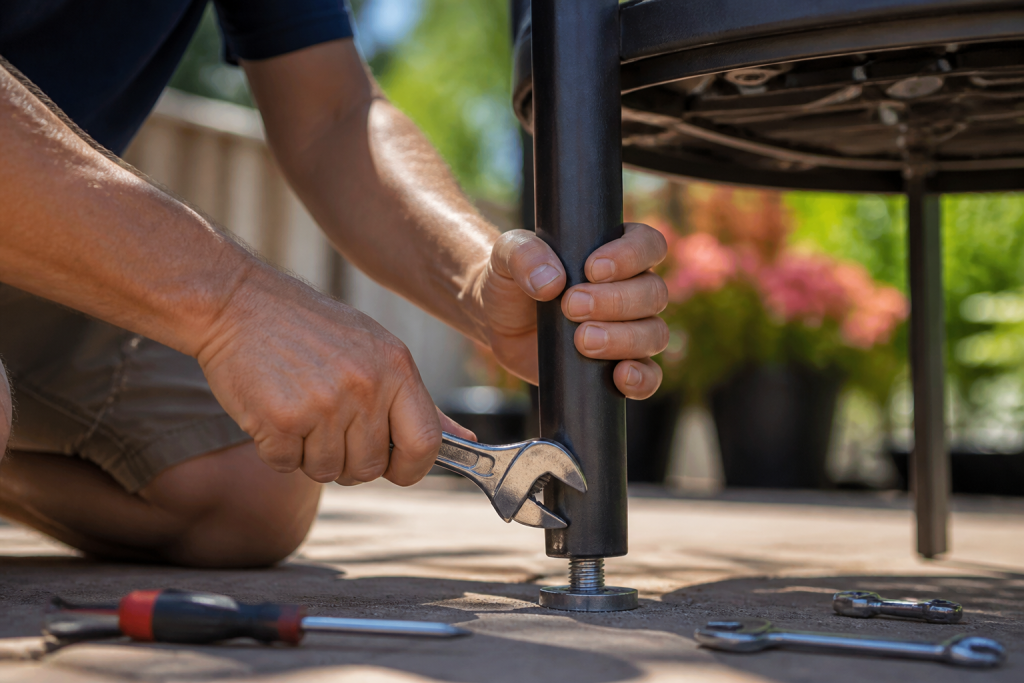
Patio Table Leg Repair is a critical task for maintaining the safety and longevity of your outdoor furniture. A wobbly or broken table leg not only compromises stability but can also lead to accidents or further damage to your beloved patio set. Addressing these issues promptly ensures your outdoor dining and relaxation spaces remain functional and secure for years to come.
This comprehensive guide will walk you through four brilliant steps to effectively tackle common patio table leg problems. From diagnosing the root cause of instability to executing precise repairs and implementing preventative measures, you will gain the authoritative knowledge needed to restore your outdoor table to its former glory. Let’s transform your unstable table into a steadfast centerpiece once again.
Key Takeaways for Patio Table Leg Repair
- Understand the common causes of instability, such as loose fasteners, rust, or material degradation, to accurately diagnose the need for Patio Table Leg Repair.
- Gather the right tools and materials, including glides, fasteners, and adhesives, tailored to the specific material of your patio table legs.
- Learn practical repair methods for various leg types—wood, metal, and plastic—to ensure a durable and lasting fix.
- Discover how to strengthen weak legs and implement preventative maintenance to avoid future issues and extend the life of your outdoor furniture.
Understanding the Need for Patio Table Leg Repair
Outdoor furniture endures constant exposure to the elements, from scorching sun to heavy rains and fluctuating temperatures. This relentless environmental assault can take a significant toll on structural components, particularly table legs. Recognizing the early signs of instability is crucial for effective Patio Table Leg Repair and preventing minor issues from escalating into major problems.
Ignoring a wobbly leg or a minor crack can lead to complete structural failure, rendering your table unusable. Proactive repair not only saves you the cost of full replacement but also ensures the safety of anyone using your patio table. A stable table is fundamental for enjoyable outdoor gatherings and everyday use.
Common Causes of Patio Table Leg Instability
Several factors contribute to patio table legs becoming unstable. Loose fasteners, such as screws or bolts, are a frequent culprit, often loosening over time due to vibrations and regular movement. Rust and corrosion can severely weaken metal joints, while moisture exposure can cause rot or splitting in wooden legs.
Worn-out glides or feet are another common issue, providing an uneven base that leads to wobbling. Understanding these underlying causes is the first step toward a successful Patio Table Leg Repair. A thorough inspection will reveal the exact nature of the damage, guiding your repair strategy.
Step 1: Assessing the Damage for Effective Patio Table Leg Repair
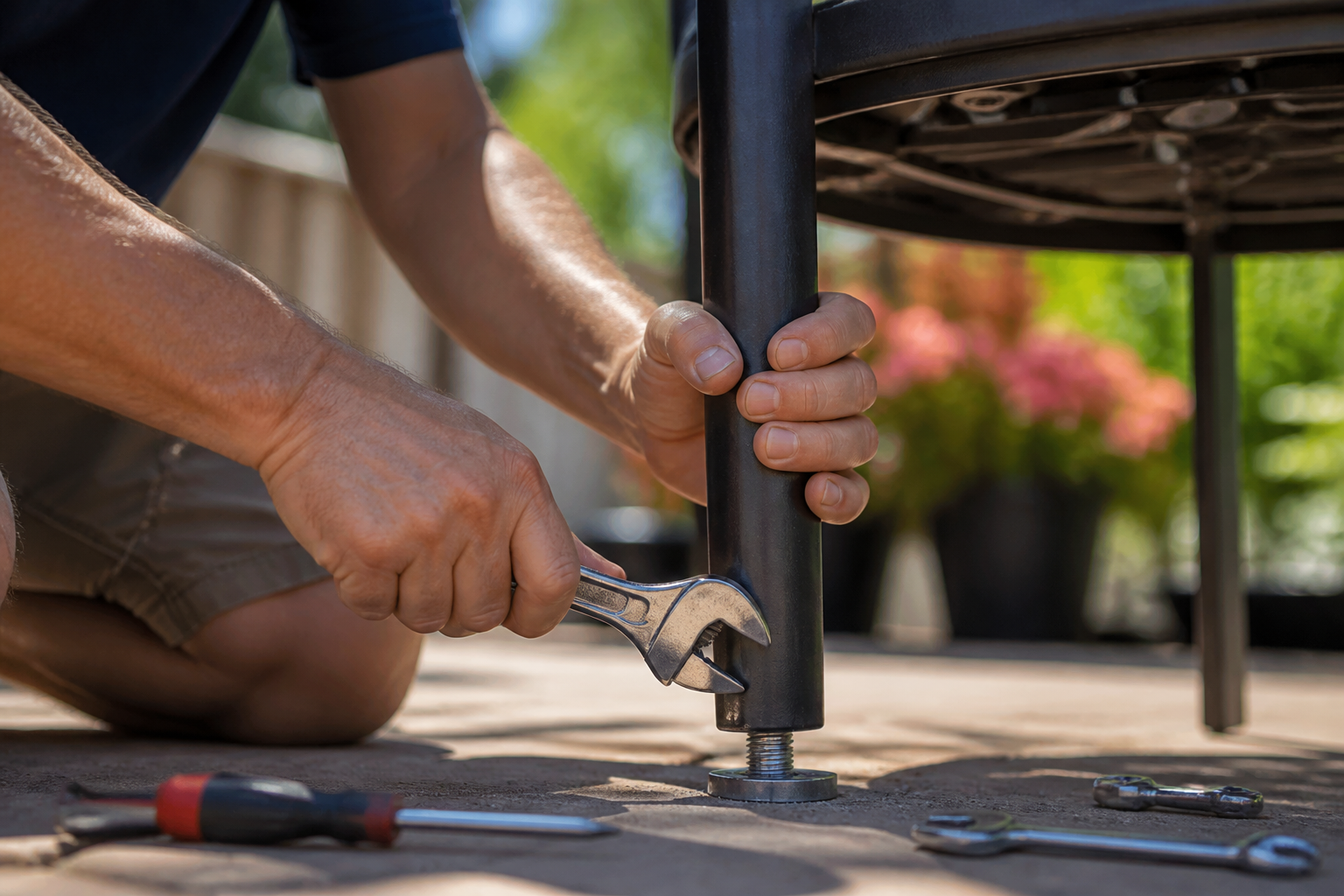
Before you can begin any Patio Table Leg Repair, a meticulous assessment of the damage is essential. This diagnostic phase helps you identify the specific problem, determine the necessary tools and materials, and plan your repair strategy. A systematic approach ensures you address the root cause, not just the symptoms.
Start by carefully examining each leg and its connection points to the tabletop or frame. Look for loose screws, cracked welds, split wood, or corroded metal. Pay close attention to the feet or glides, as these are often the first components to wear out and cause instability.
Tools and Materials for Patio Table Leg Repair
The tools and materials required for Patio Table Leg Repair will vary depending on the leg’s material and the type of damage. However, some common items are universally useful. For tightening fasteners, you’ll need a set of screwdrivers, wrenches, or an Allen key set. For wooden legs, wood glue, clamps, and possibly wood filler or dowels are essential.
Metal leg repairs might require epoxy, rust converter, sandpaper, and protective spray paint. For plastic legs, a strong plastic-specific epoxy or solvent cement will be necessary. Don’t forget replacement glides or feet, which are often overlooked but crucial for stability. Many hardware stores carry basic parts, but for specialized components, retailers like Chair Sling Store offer a wider selection tailored to specific outdoor furniture needs.
Step 2: Practical Methods for Patio Table Leg Repair
Once you have thoroughly assessed the damage and gathered your materials, it’s time to implement the practical methods for Patio Table Leg Repair. Each material—wood, metal, or plastic—requires a specific approach to ensure a durable and effective fix. Always prioritize safety and wear appropriate protective gear.
For loose fasteners, simply tightening them can often resolve wobbling. If the screw holes are stripped in wood, use wood filler or insert a larger screw. For metal, ensure bolts are secure and consider adding washers to prevent future loosening. This step is about direct intervention to restore the leg’s integrity.
Repairing Different Materials: Wood, Metal, and Plastic Legs
Wooden Legs: For splits or cracks, apply waterproof wood glue liberally into the crack, clamp the pieces together, and allow ample drying time. For rotted sections, you might need to cut out the damaged part and graft in new wood, securing it with glue and screws. Sanding and sealing with an outdoor-grade finish will protect against future moisture damage.
Metal Legs: Rust is a common enemy. Remove loose rust with a wire brush or sandpaper, apply a rust converter, and then prime and paint with an outdoor-grade, rust-resistant paint. For cracked welds, a strong metal-specific epoxy can provide a temporary fix, but re-welding by a professional is the most durable solution. Ensure all connection points are free of corrosion.
Plastic Legs: Repairing a broken plastic patio table leg often involves using a strong plastic-specific epoxy or solvent cement. For structural breaks, you might need to reinforce the area internally with a dowel or metal rod before applying adhesive. Severely broken plastic legs might require replacement, which can often be sourced from specialized patio furniture parts suppliers.
Need Parts for Your Patio Table Leg Repair? Trust Chair Sling Store!
At Chair Sling Store, we provide premium-quality replacement parts and comprehensive solutions to ensure your patio furniture remains stable and beautiful. Restore your outdoor living space with our durable components.
Step 3: Strengthening and Securing Your Patio Table Leg Repair
After addressing the immediate damage, the next crucial step in Patio Table Leg Repair is to strengthen and secure the legs to prevent future instability. This involves reinforcing weak points and ensuring all components are robustly connected. Strengthening methods vary by material but share the common goal of enhancing structural integrity.
For wooden tables, adding corner brackets or internal bracing can significantly improve stability, especially at the joints where legs meet the tabletop frame. For hollow metal legs, internal sleeves or external clamps can provide additional support. Always ensure that any added reinforcements are weather-resistant and do not detract from the table’s aesthetic.
When to Seek Professional Patio Table Leg Repair
While many common issues can be resolved with DIY methods, there are instances where professional Patio Table Leg Repair is advisable. If you encounter extensive structural damage, such as severely bent metal, deep wood rot affecting the core, or complex breaks that compromise the table’s load-bearing capacity, a professional can offer specialized solutions.
Professionals have access to advanced tools and techniques, including welding for metal frames or custom fabrication for unique leg designs. They can also ensure repairs meet safety standards. When considering whether it’s cheaper to repair or replace a patio table leg, professional repair is often more cost-effective for high-quality or sentimental pieces than purchasing an entirely new table.

Step 4: Preventing Future Issues with Patio Table Leg Repair
The final step in effective Patio Table Leg Repair is implementing preventative measures to safeguard your table against future damage. Prevention is always more cost-effective and less time-consuming than reactive repairs. A few simple practices can significantly extend the lifespan of your outdoor furniture and maintain its stability.
Regular maintenance checks are paramount. Periodically inspect all fasteners and tighten any that have loosened. Clean your patio table regularly to remove dirt, debris, and any corrosive substances. This simple habit can prevent many common issues before they become serious problems.
How to Prevent Rust Damage on Patio Table Legs
Rust is a primary concern for metal patio table legs. To prevent rust damage, ensure your table is not left in standing water. Consider using furniture covers during harsh weather or when the table is not in use. Applying rust-inhibiting primers before painting and using high-quality, rust-resistant outdoor paints can create a protective barrier.
For existing minor rust, address it immediately by cleaning, sanding, and repainting the affected areas. Regularly check for scratches or chips in the paint, as these can expose the metal to moisture and initiate rust formation. Proactive rust prevention is a key component of long-term patio table care.
For further insights into furniture care and repair, you might find resources from reputable organizations like the Furniture Care Institute helpful in understanding best practices for various materials.
By following these four brilliant steps, you can confidently approach any Patio Table Leg Repair, ensuring your outdoor table remains a stable, beautiful, and functional part of your living space for many seasons to come. Investing a little time in maintenance and repair now will yield significant returns in durability and enjoyment.
How do I fix a wobbly patio table leg?
To fix a wobbly patio table leg, first identify the source of instability. This often involves tightening loose fasteners (screws, bolts), reinforcing joints with brackets or wood glue for wooden tables, or replacing worn-out glides or feet. Ensure all connections are secure and the leg is level with the others.
What materials are needed for patio table leg repair?
The materials needed for patio table leg repair vary by the leg’s material and the damage type. Common supplies include screwdrivers, wrenches, wood glue, epoxy, replacement fasteners, glides, protective spray paint for rust prevention, and potentially small wood or metal reinforcement pieces.
Can I repair a broken plastic patio table leg?
Repairing a broken plastic patio table leg is possible, often using strong plastic-specific epoxy or solvent cement. For structural breaks, you might need to reinforce the area internally with a dowel or metal rod before applying adhesive. Severely broken plastic legs might require replacement.
What causes patio table legs to become unstable?
Patio table legs become unstable due to several factors, including loose bolts or screws from vibrations and movement, rust or corrosion weakening metal joints, rot or splitting in wooden legs from moisture exposure, or worn-out glides that provide an uneven base.
How do you strengthen a weak patio table leg?
To strengthen a weak patio table leg, you can add internal or external bracing, such as corner brackets for wooden tables or metal sleeves for hollow legs. For metal legs, re-welding cracked joints can restore strength. Ensuring proper glides are installed also contributes to overall stability.
Who offers patio furniture repair services in my area?
Many local furniture repair shops, handyman services, or specialized patio furniture repair companies offer services for damaged table legs. You can search online for “patio furniture repair [Your City, State]” or inquire at local hardware stores for recommendations. Chair Sling Store also offers many of the parts required for DIY repairs.
Is it cheaper to repair or replace a patio table leg?
Generally, repairing a patio table leg is significantly cheaper than replacing the entire table, especially if the damage is localized and the table’s frame is otherwise sound. The cost-effectiveness depends on the severity of the damage and the availability of affordable replacement parts from suppliers like Chair Sling Store.
What is the best adhesive for repairing metal patio table legs?
For repairing metal patio table legs, a strong epoxy adhesive formulated for metal is often recommended for cracks or reattaching small components. For structural failures, welding is the most durable solution. Ensure surfaces are clean and roughened before applying any adhesive for optimal bond.
How to prevent rust damage on patio table legs?
Prevent rust damage on metal patio table legs by regularly cleaning them, applying rust-inhibiting primers before painting, using rust-resistant paints, and covering your table when not in use or during harsh weather. Ensure legs are not in standing water to prolong their life.
Do hardware stores carry parts for patio table leg repair?
Yes, many hardware stores carry basic parts for patio table leg repair, such as screws, bolts, glides, some types of adhesives, and universal brackets. For specialized or brand-specific parts, retailers like Chair Sling Store or online patio furniture part suppliers are often a better resource, offering a wider selection tailored to specific outdoor furniture needs.