
Patio Glide Problems can transform your outdoor oasis into a source of frustration, turning relaxing moments into irritating wobbles and sticky slides. Whether it’s a favorite chair that tilts precariously or a sliding door that refuses to budge, these issues disrupt the comfort and functionality of your outdoor living space. Addressing these common yet often overlooked challenges is crucial for maintaining the longevity and enjoyment of your patio furniture and doors. This guide will provide a comprehensive look at the root causes of these issues and offer practical, effective solutions to restore stability and smooth operation.
Key Takeaways for Solving Patio Glide Problems
- Understand the common culprits behind wobbly furniture and sticky patio doors, from worn glides to dirty tracks.
- Discover 5 ultimate fixes to effectively resolve your most pressing patio glide problems, ensuring stability and smooth movement.
- Learn how to properly inspect, clean, and replace glides and rollers to prevent future outdoor furniture and door issues.
- Identify when DIY solutions are sufficient and when to seek professional assistance for complex patio glide problems.
What Are Patio Glide Problems? Understanding the Root Causes
Patio glide problems encompass a range of issues that affect the stability and mobility of outdoor furniture and sliding patio doors. These seemingly minor annoyances can quickly escalate, leading to damaged surfaces, uncomfortable seating, and even safety hazards. Recognizing the underlying causes is the first step toward effective resolution.
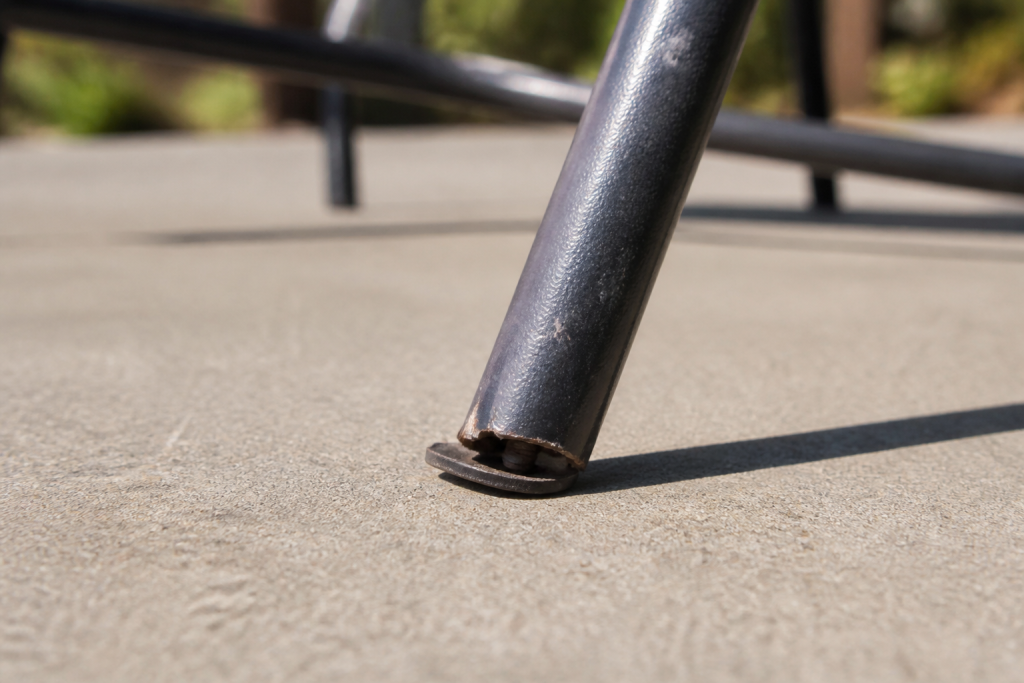
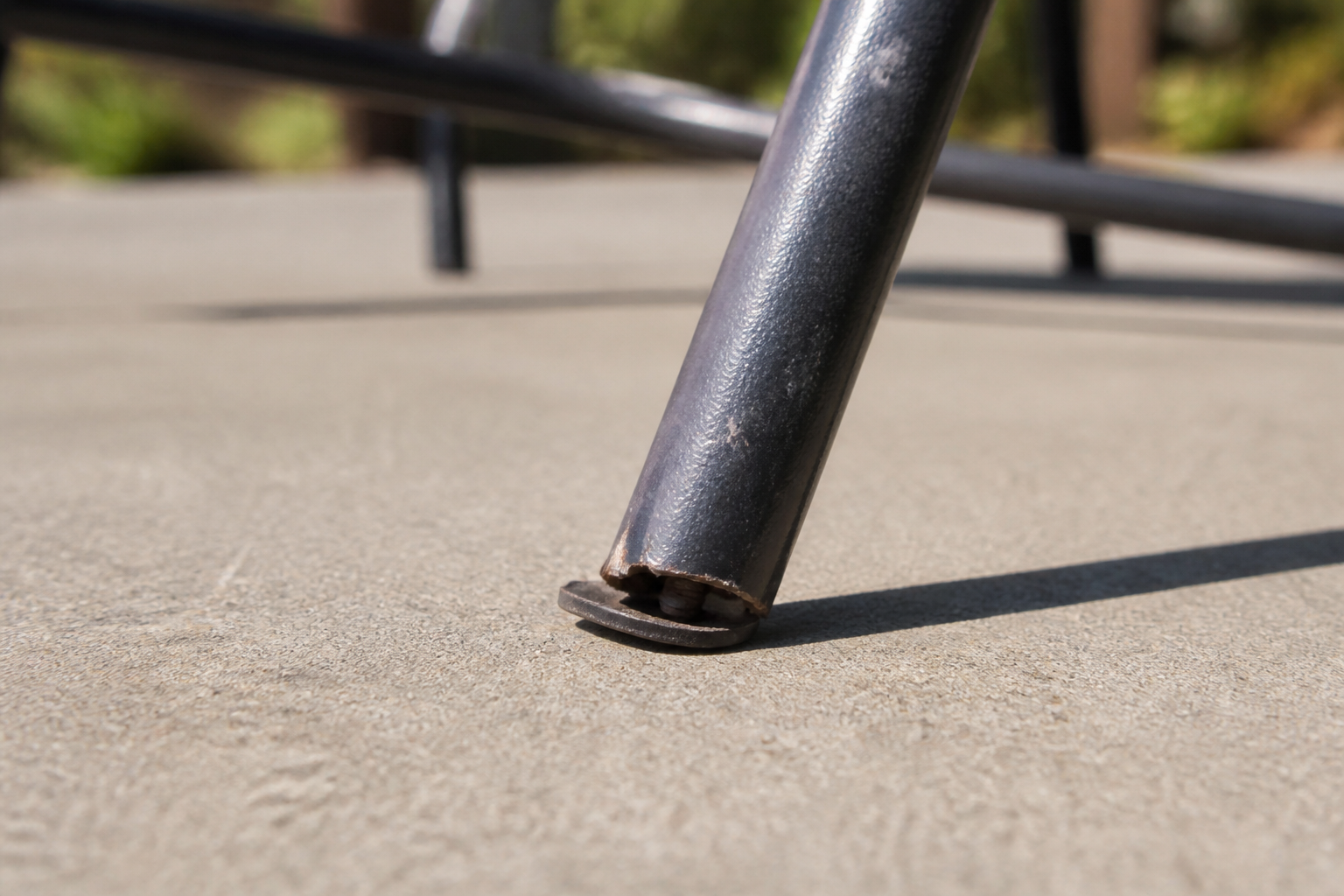
For outdoor furniture, the primary culprits are often the small caps or feet at the bottom of chair and table legs. These components, known as glides, are designed to protect both the furniture and your patio surface. Over time, exposure to elements like sun, rain, and temperature fluctuations, combined with regular use, causes these glides to wear down, crack, or even fall off entirely. This leads to uneven legs, resulting in that annoying wobble.
Similarly, sliding patio doors rely on rollers and tracks for smooth operation. When these components accumulate dirt, debris, or suffer from wear and tear, you encounter significant patio glide problems. A door that sticks, squeaks, or comes off its track is not just inconvenient; it compromises your home’s security and energy efficiency. Understanding these foundational issues is key to implementing the right fixes.
Common Causes of Patio Glide Problems in Outdoor Furniture
Several factors contribute to the degradation of patio furniture glides. Environmental exposure is a major one; UV rays can make plastic brittle, while moisture can lead to rust on metal components. Frequent movement and heavy use also accelerate wear, especially on abrasive surfaces like concrete or pavers. Sometimes, glides are simply not designed for the specific weight or usage conditions, leading to premature failure. Identifying these causes helps you choose more durable replacements.
What Causes a Sliding Patio Door to Get Stuck?
Sliding patio doors often get stuck due to a combination of factors. The most common cause is debris accumulation in the tracks, such as dirt, pet hair, or small stones, which obstructs the rollers. Worn-out or damaged rollers are another frequent issue, as their bearings can seize or flatten over time. Misalignment of the door on its track, often due to settling or impact, can also lead to significant patio glide problems, making the door difficult or impossible to slide.
Rust and corrosion on metal components, especially in humid climates, can also bind the rollers. Furthermore, the door frame itself might warp or shift due to temperature changes or structural issues with the house, creating friction points. Addressing these specific causes is essential for restoring smooth door operation and preventing recurring issues.
5 Ultimate Fixes for Patio Glide Problems and Wobbly Furniture
Solving patio glide problems with your outdoor furniture doesn’t have to be a daunting task. With a systematic approach, you can quickly restore stability and comfort to your chairs and tables. These five ultimate fixes cover the most common scenarios, offering practical steps you can take today.
Fix 1: Inspect and Clean Your Patio Glides
Often, the simplest solution is the most effective. Begin by thoroughly inspecting each furniture leg. Look for glides that are missing, cracked, or heavily worn. Dirt, grime, and even rust can accumulate around the glides, creating friction and preventing smooth movement. Use a stiff brush or a damp cloth to clean the area around the glides and the bottom of the furniture legs. For stubborn grime, a mild soap solution can be very effective. Ensure the area is completely dry before proceeding.
Fix 2: Replace Worn or Missing Patio Glides
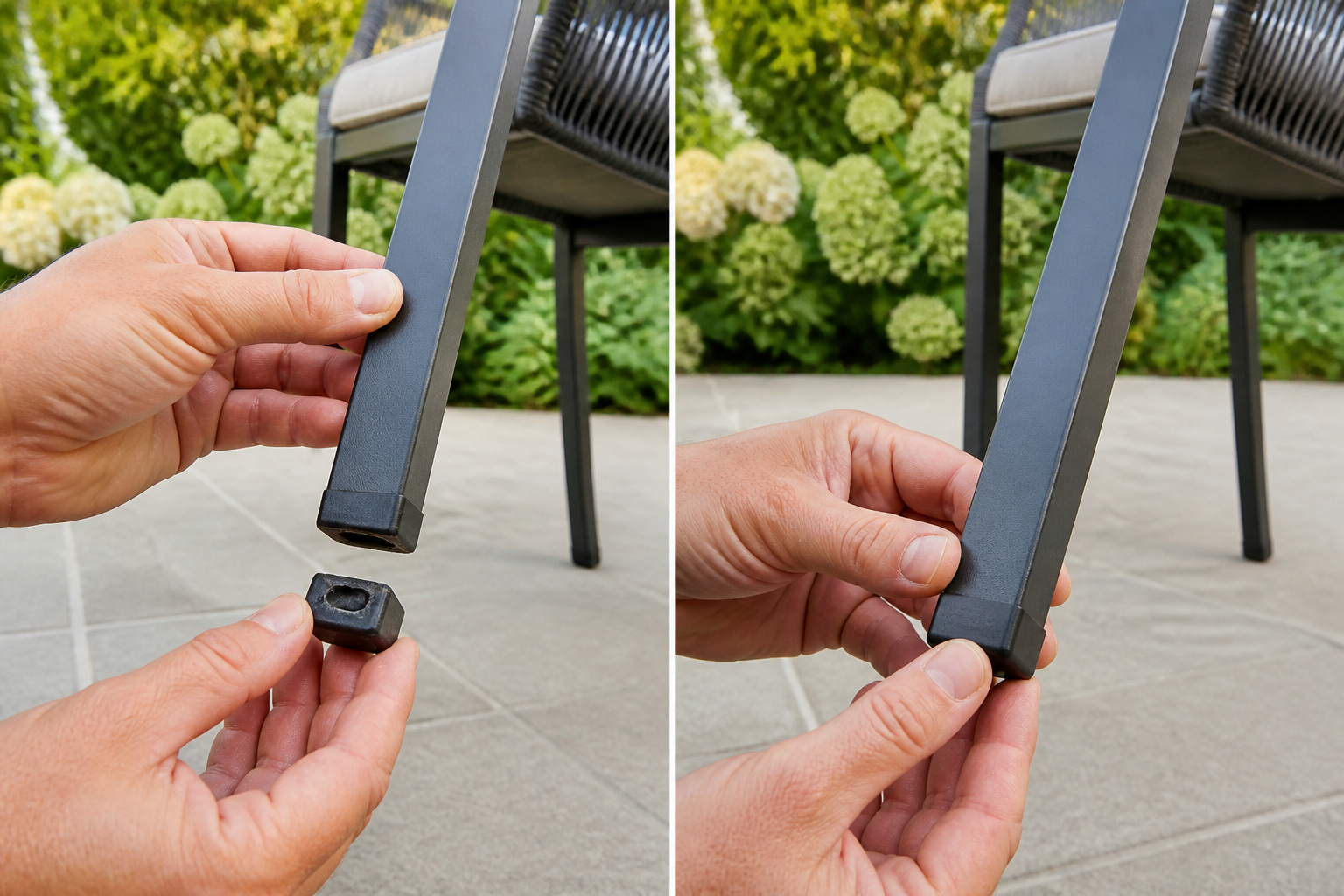
If inspection reveals damaged or missing glides, replacement is the definitive solution. There are many types of replacement glides available, including custom end caps, feet glides, and inserts, designed for various furniture styles and materials. To replace them, first remove any remnants of the old glide. Clean the leg opening or surface thoroughly. Then, firmly press or tap the new glide into place. For a secure fit, a rubber mallet can be used. Ensure all glides are uniform in height to prevent future patio glide problems.
Solve Your Patio Glide Problems with Chair Sling Store
Don’t let wobbly outdoor furniture ruin your relaxation. Chair Sling Store provides premium replacement glides and parts to restore stability and comfort to your patio, ensuring long-lasting outdoor enjoyment.
Fix 3: Addressing Patio Glide Problems with Door Rollers
When your sliding patio door is hard to slide, the issue often lies with its rollers. Start by thoroughly cleaning the door tracks. Use a vacuum cleaner to remove loose debris, then scrub with a stiff brush and a degreaser or mild soap solution. If cleaning doesn’t resolve the issue, the rollers likely need replacement. To do this, you’ll typically need to lift the door off its track. Many modern doors have adjustment screws on the bottom edge that allow you to raise or lower the rollers, which can sometimes fix minor sticking issues. For older doors, replacing rollers can significantly improve performance. You can find various patio door replacement parts at home improvement stores or specialized retailers.
Fix 4: Lubrication for Smooth Operation
Once glides are clean or replaced, proper lubrication can work wonders for both furniture and doors. For furniture glides, a silicone-based spray lubricant can reduce friction and make moving pieces easier. For patio door tracks and rollers, a dry lubricant like silicone spray or graphite powder is ideal. Avoid oil-based lubricants, as they can attract dirt and grime, exacerbating patio glide problems over time. Apply sparingly and wipe away any excess.
Fix 5: Professional Help for Complex Patio Glide Problems
While many patio glide problems are DIY-friendly, some situations warrant professional assistance. If furniture frames are bent, welded joints are broken, or if you’re dealing with structural damage to your patio door frame, a professional repair service is recommended. They have the specialized tools and expertise to handle complex repairs safely and effectively. For those in Coral Springs, FL, and surrounding areas, local patio furniture repair shops or handyman services can provide expert installation and broader repairs.
Addressing Patio Glide Problems with Sliding Doors
Sliding patio doors are a fantastic feature, but when they become difficult to open or close, they present a unique set of patio glide problems. Understanding how to diagnose and fix these issues can save you time, money, and frustration. From squeaking to coming off the track, these common door problems have practical solutions.
Why is My Patio Door Squeaking When I Open It?
A squeaking patio door is a clear sign of friction, usually caused by dry or dirty rollers. The rollers, which allow the door to glide smoothly along the track, can accumulate dust, dirt, and pet hair, leading to abrasive contact. Lack of lubrication is another common factor. To fix this, first clean the tracks thoroughly as described in Fix 3. Then, apply a dry lubricant like silicone spray directly to the rollers. This should eliminate the squeaking and restore quiet operation, preventing further patio glide problems.
How to Replace Rollers on an Old Patio Door
Replacing rollers on an old patio door can seem daunting, but it’s a manageable DIY task. First, you’ll need to carefully remove the door from its frame. This usually involves lifting it off the bottom track and tilting it out. Once the door is removed, you can access the rollers, which are typically located at the bottom edge. Unscrew the old rollers, clean the area, and install the new ones. Ensure the new rollers are the correct type and size for your door. Reinstall the door, making sure it’s properly seated on the track, and adjust the roller height if necessary.
Why Does My Patio Door Keep Coming Off Its Track?
If your patio door repeatedly comes off its track, it’s a serious patio glide problem that needs immediate attention. This can be caused by severely worn or broken rollers that no longer hold the door securely. A bent or damaged track is another common culprit, preventing the rollers from moving smoothly. Additionally, improper installation or a shifting house foundation can lead to misalignment. Inspect the rollers and track for damage; if they appear fine, the door’s alignment may need professional adjustment or the track itself might require repair or replacement.
Can I Adjust My Patio Door’s Rollers Without a Professional?
Yes, many patio doors are designed with adjustable rollers, allowing homeowners to make minor adjustments without professional help. Look for adjustment screws, usually on the bottom edge of the door, near the rollers. Using a screwdriver, you can turn these screws to raise or lower the door slightly. This can help correct minor sagging or sticking issues. However, if the door is severely misaligned or the rollers are damaged, a simple adjustment won’t suffice, and you might need to replace the rollers or seek professional assistance for your patio glide problems.
Maintaining Your Glides and Rollers to Prevent Future Patio Glide Problems
Proactive maintenance is key to avoiding recurring patio glide problems. Regular care for both your outdoor furniture glides and patio door rollers can significantly extend their lifespan and ensure smooth, stable operation for years to come. A little effort goes a long way in preserving your outdoor investment.
How Do I Clean and Maintain Patio Door Tracks?
Cleaning patio door tracks should be a routine part of your home maintenance. Aim to clean them at least quarterly, or more often if you live in a dusty or sandy environment. Use a stiff brush or a vacuum with a crevice tool to remove loose debris. Follow up with a damp cloth and a mild cleaner to wipe away any stubborn grime. Ensure the tracks are completely dry before applying a dry lubricant. Regularly checking the tracks for any signs of damage or bending can also prevent major patio glide problems from developing.
What Specific Types of Patio Glides Should I Use for Different Furniture?
Choosing the right type of patio glides is crucial for durability and performance. For tubular metal furniture, insert glides that fit snugly into the leg opening are common. For solid legs, screw-in glides or cap glides that fit over the leg are often used. Materials vary, with high-density polyethylene (HDPE) and nylon being excellent choices for their wear resistance and low friction. For heavy furniture, consider glides with metal inserts for added strength. Chair Sling Store offers a variety of custom end caps and feet glides to match diverse outdoor furniture styles, helping you avoid future patio glide problems.
What is the Best Material for Durable Patio Glides?
When selecting new glides, material matters significantly for durability. High-density polyethylene (HDPE) and nylon are top contenders for their resilience against weather and abrasion. These materials are less prone to cracking and offer a smooth gliding surface. Some glides also incorporate specialized rubber compounds for better grip and shock absorption. Always choose glides specifically designed for outdoor use, as they are formulated to withstand UV exposure and moisture, which are common causes of patio glide problems.
Your Solution to Lasting Outdoor Comfort and Functionality
Addressing patio glide problems is essential for maintaining the comfort, safety, and aesthetic appeal of your outdoor living spaces. From wobbly chairs to sticking patio doors, these issues can detract from your enjoyment. By understanding the common causes and implementing the ultimate fixes discussed, you can restore stability and smooth operation to your outdoor furniture and doors. Regular inspection, cleaning, and timely replacement of worn components are your best defense against future problems. Don’t let minor inconveniences turn into major headaches; take proactive steps to ensure your patio remains a place of relaxation and enjoyment. For all your replacement needs, consider exploring the extensive range of quality parts available at Chair Sling Store.
What causes outdoor furniture to wobble due to patio glide problems?
Wobbly outdoor furniture often stems from worn-out, missing, or damaged patio glides (also known as feet glides or end caps). Uneven surfaces, degraded materials from weather exposure, or heavy use can also contribute to these patio glide problems, making your chairs unstable and uncomfortable.
How do I fix outdoor furniture that is hard to slide or move smoothly?
To fix outdoor furniture that’s difficult to move, first inspect the existing patio glides. Clean any debris from the feet or frame. If glides are worn or missing, replace them with new, high-quality end caps or feet glides. Using appropriate lubricants can also help, but replacement is key for truly smooth movement.
Why is my outdoor furniture squeaking when I move it?
Squeaking in outdoor furniture, particularly when moving it, often indicates friction points caused by degraded or absent patio glides. Metal-on-metal or metal-on-surface contact without the protective glide material creates abrasive noise. Replacing worn glides will typically eliminate the squeaking and prevent further damage.
What are common solutions for patio glide problems with outdoor furniture?
Common solutions for patio glide problems include cleaning accumulated dirt from the leg bottoms, replacing broken or missing glides with new ones, ensuring all glides are evenly seated, and using furniture-specific lubricants on parts that rub. Upgrading to more durable glide materials can also provide a long-term fix for recurring issues.
How do I replace end caps or feet glides on outdoor patio furniture?
Replacing end caps or feet glides on outdoor patio furniture is typically straightforward. First, remove the old, damaged glide. Clean the furniture leg’s opening. Then, firmly press or tap the new glide into place, ensuring a snug fit. Some glides may require light hammering with a rubber mallet for secure seating.
Where can I buy patio furniture replacement parts, including glides?
You can buy patio furniture replacement parts, including various types of patio glides, custom end caps, and feet glides, from specialized online retailers like Chair Sling Store. They offer a wide selection of parts designed for various brands and styles of outdoor furniture, often with options for free samples.
Who can help install new patio glides or repair outdoor furniture?
Most patio glide problems can be solved with DIY installation, as replacement glides are designed for easy fitting. However, if you have complex outdoor furniture or prefer professional assistance, local patio furniture repair shops or handyman services in Coral Springs, FL, and surrounding areas can assist with installation and broader repairs.
What is the typical cost for outdoor furniture glide replacement?
The typical cost for outdoor furniture glide replacement varies widely depending on the type of glide, material, and quantity needed. Individual patio glides are often inexpensive, ranging from a few dollars to $10-$20 each. Bulk purchases or specialized glides for unique furniture can be higher. DIY replacement significantly reduces labor costs.
What is the best material for durable patio glides?
The best materials for durable patio glides include high-density polyethylene (HDPE), nylon, and specialized rubber compounds. These materials offer excellent wear resistance, reduce friction, and protect both your furniture and patio surfaces from scratches. Consider glides designed for outdoor conditions for longevity.
Why does my outdoor furniture feel unstable even with glides?
If your outdoor furniture still feels unstable, even with patio glides, several factors could be at play. The glides might be incorrectly installed, unevenly worn, or made of unsuitable material. Also, check the furniture frame for structural damage, loose bolts, or warping, which could contribute to instability.
How do I clean and maintain outdoor furniture feet and glides?
To clean and maintain outdoor furniture feet and patio glides, regularly wipe them with a damp cloth to remove dirt and grime. For stubborn buildup, use mild soap and water. Inspect glides periodically for wear or cracks and replace them as needed to prevent patio glide problems and ensure continued stability and protection.
What specific types of patio glides should I use for different furniture?
The specific types of patio glides depend on your furniture’s design and material. Common options include insert glides for tubular legs, cap glides for external fitting, and screw-in glides for solid wood or heavier pieces. Chair Sling Store offers a variety of custom end caps and feet glides to match diverse outdoor furniture styles.
Can I replace my outdoor furniture glides without professional help?
Yes, most outdoor furniture patio glides are designed for easy DIY replacement. You typically need basic tools like a rubber mallet or screwdriver. Chair Sling Store provides guidance and resources to help customers confidently replace glides and other patio furniture parts themselves, addressing common patio glide problems.
What are signs that outdoor furniture patio glides need replacing?
Signs that outdoor furniture patio glides need replacing include visible wear, cracks, or chips in the material; wobbling or instability when using the furniture; difficulty sliding or moving pieces; scratching on your patio surface; and squeaking sounds. Addressing these signs prevents further patio glide problems and frame damage.
Where can I find patio furniture repair services near me in Coral Springs, FL?
For patio furniture repair services near you in Coral Springs, FL, including assistance with patio glide problems, you can contact local outdoor furniture repair specialists or consult with businesses like Chair Sling Store. While Chair Sling Store primarily provides parts, they can often offer expert advice or recommend local services for more complex repairs.