
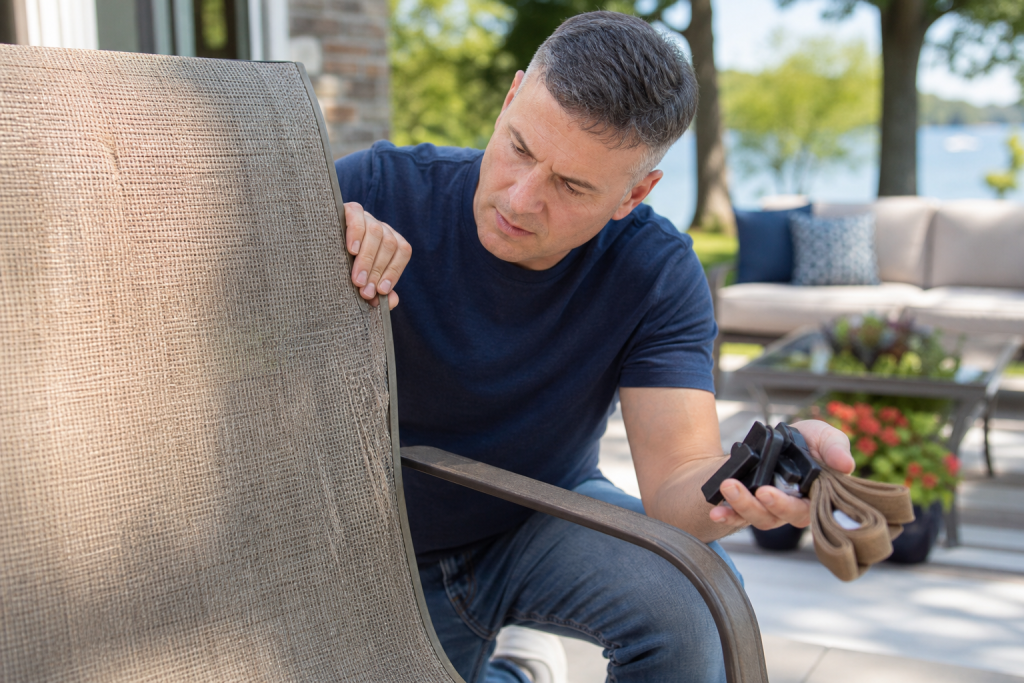
Replacement Part Selection: 9 Ultimate Tips for Perfect Patio Furniture Fixes
Achieving durable and aesthetically pleasing patio furniture repairs hinges on one critical factor: precise Replacement Part Selection. The right components not only restore functionality but also extend the lifespan and comfort of your outdoor pieces. Without careful consideration, you risk incompatible fits, compromised structural integrity, and ultimately, wasted time and resources.
This comprehensive guide will equip you with the knowledge and strategies needed to navigate the often-complex world of patio furniture repair parts. We will delve into essential identification techniques, explore the nuances between OEM and aftermarket options, and provide actionable advice to ensure every fix is flawless. Prepare to transform your worn-out outdoor furniture into cherished pieces once again, all starting with the perfect part.
Key Takeaways
- Master the art of identifying your furniture’s specific needs, from brand and model to precise measurements, for accurate part selection.
- Understand the critical differences between Original Equipment Manufacturer (OEM) and aftermarket replacement parts to make informed purchasing decisions.
- Learn why part compatibility is non-negotiable for structural integrity and longevity, preventing costly mistakes and ensuring safety.
- Discover how to leverage documentation, serial numbers, and expert assistance to simplify complex part identification challenges.
- Equip yourself with strategies to avoid common pitfalls, ensuring your patio furniture repairs are efficient, effective, and enduring.
Understanding Essential Steps for Accurate Replacement Part Selection
The foundation of any successful patio furniture repair lies in a meticulous approach to identifying the exact components you need. This process is not merely about guessing; it requires precision and attention to detail. Skipping these initial steps can lead to frustrating returns, delays, and additional expenses.
Start by clearly identifying the brand and model of your patio furniture. Many manufacturers include labels or tags on the frame, often underneath seats, on the back of chairs, or near joints. This information is invaluable for narrowing down your search and ensuring you look at the correct parts catalog.
The Importance of Precise Measurement
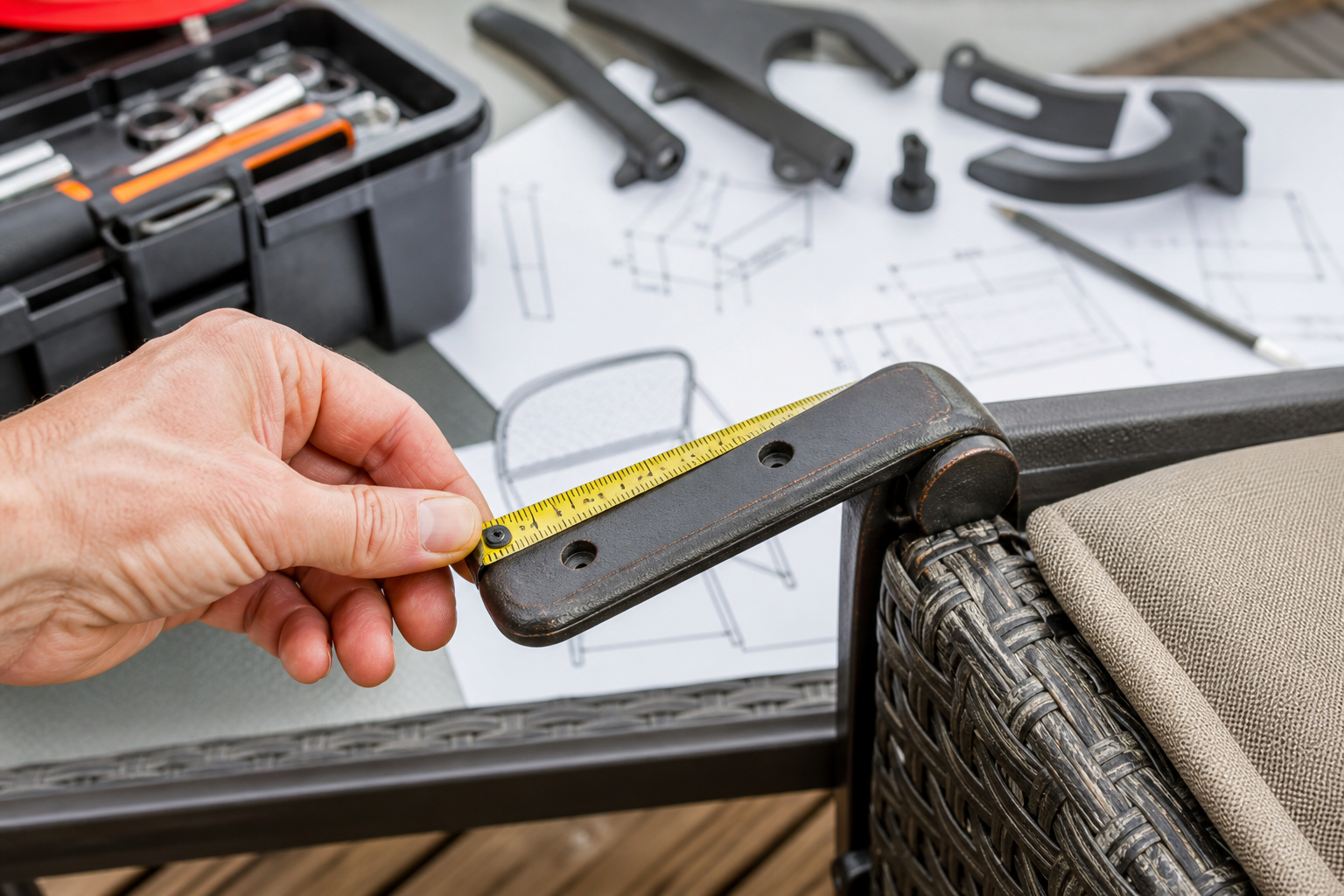
Once you know the brand and model, the next crucial step is to measure the existing part meticulously. Do not rely on visual estimates. Use a tape measure or caliper to get exact dimensions for length, width, thickness, and any hole spacing. For items like chair slings, precise fabric dimensions are paramount for a taut, professional fit.
For example, when replacing a vinyl strap, measure its width and thickness, and the length from hole to hole. For glides or end caps, measure the outer diameter of the tube they fit into, as well as the inner diameter if they are internal plugs. These measurements ensure your chosen replacement part will fit perfectly.
Documentation and Serial Numbers for Replacement Part Selection
Many pieces of patio furniture come with owner’s manuals or product registration cards. These documents often contain detailed parts diagrams and specific part numbers. Consulting these resources can save you significant time and eliminate guesswork.
Additionally, look for a serial number or model identifier directly on the furniture. These are typically located on a sticker, stamped into the metal frame, or even etched onto a plastic component. This unique identifier can be cross-referenced with manufacturer websites or specialty parts suppliers to pinpoint the exact replacement part needed.
For instance, a serial number can often unlock an entire parts schematic online, showing every component of your specific chair or chaise lounge. This level of detail is invaluable for accurate identification.
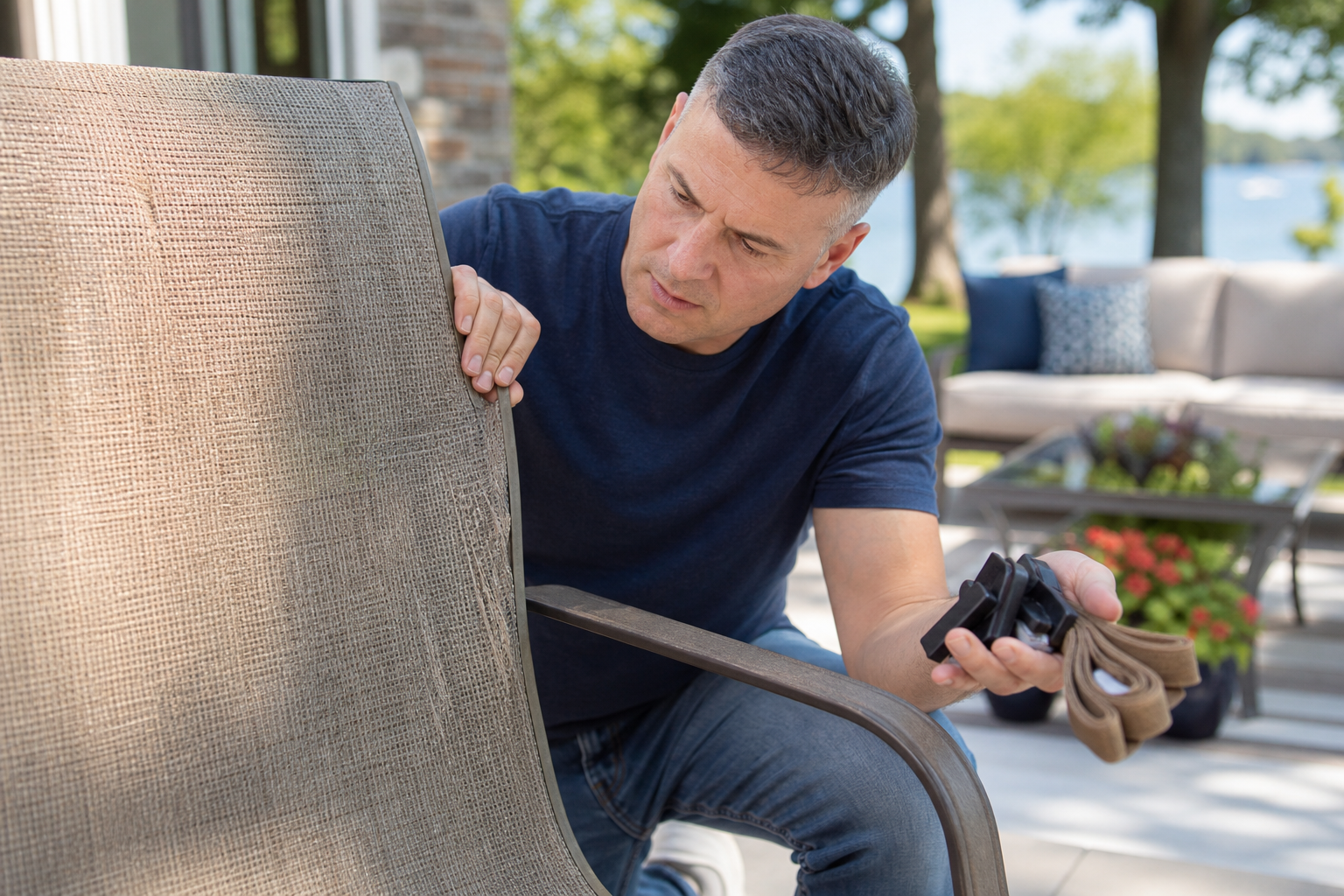
Navigating OEM vs. Aftermarket for Replacement Part Selection
When it comes to sourcing your patio furniture replacement parts, you generally have two main avenues: Original Equipment Manufacturer (OEM) parts or aftermarket alternatives. Understanding the distinctions between these options is vital for making an informed decision that balances cost, quality, and availability.
Both OEM and aftermarket parts have their advantages and disadvantages, and the best choice often depends on the specific part you need, your budget, and your priorities for the repair.
Original Equipment Manufacturer (OEM) Parts
OEM parts are components made by or for the original manufacturer of your patio furniture. These parts are designed to be an exact match in terms of fit, finish, and material quality. They offer the highest assurance of compatibility and often come with a manufacturer’s warranty, providing peace of mind.
The primary advantage of OEM parts is their guaranteed fit and quality. You know you are getting a component that was specifically engineered for your furniture model. However, OEM parts can often be more expensive and may have limited availability, especially for older or discontinued furniture lines. You can often order a replacement part directly from the manufacturer’s website or through authorized dealers.
Exploring Aftermarket Options
Aftermarket parts are produced by companies other than the original furniture manufacturer. These parts are designed to be compatible with various brands and models. They often offer a more budget-friendly alternative to OEM parts and can sometimes even provide improved materials or designs.
The key benefit of aftermarket parts is their cost-effectiveness and wider availability. However, the quality and fit can vary significantly between different aftermarket suppliers. It is crucial to research the supplier and read reviews to ensure you are purchasing a high-quality component. For reliable aftermarket options, consider reputable specialty retailers like Chair Sling Store, which often carry a wide range of compatible parts.
Checking Warranties and Supplier Reputation
Regardless of whether you choose OEM or aftermarket, always inquire about the warranty status of the potential replacement part. A good warranty indicates the supplier’s confidence in their product. Additionally, seek out reviews and ratings for replacement part suppliers. Online forums, customer testimonials, and independent review sites can offer valuable insights into a supplier’s reliability, product quality, and customer service.
Master Your Replacement Part Selection with Chair Sling Store
Ensure your patio furniture restoration is flawless with our premium-quality replacement parts and expert guidance. From slings to glides, we have the perfect fit.
Ensuring Compatibility: Why Careful Replacement Part Selection Matters
Part compatibility is not merely a convenience; it is a fundamental requirement for the safety, durability, and aesthetic appeal of your repaired patio furniture. An incompatible part can lead to a cascade of problems, undermining the entire repair effort.
The structural integrity of your furniture depends on each component fitting and functioning as intended. Using a part that doesn’t quite match can stress the frame, loosen joints, and accelerate wear on other components.
The Risks of Incompatible Parts
When a replacement part doesn’t fit correctly, it can create uneven pressure points, leading to premature failure of the part itself or even damage to the furniture frame. For example, a chair sling that is too tight can warp the frame, while one that is too loose will sag and offer no support. Similarly, an ill-fitting glide can cause wobbling and instability.
Beyond structural issues, incompatible parts can also pose safety hazards. A wobbly chair or a loose strap could lead to falls or injuries. Furthermore, the aesthetic appeal of your furniture will suffer if parts don’t align or match in color and texture. The goal is a seamless repair that looks and feels like the original.
Seeking Expert Assistance for Complex Replacement Part Selection
Sometimes, despite your best efforts, identifying the correct replacement part can be challenging. This is especially true for older, custom, or obscure furniture brands. In such cases, seeking expert assistance is highly recommended.
Specialty patio furniture repair shops or dedicated replacement part suppliers often have extensive knowledge bases and experience with a wide array of furniture types. They can help cross-reference obscure models, interpret faded labels, or even suggest suitable custom solutions. Don’t hesitate to reach out to professionals who provide expert assistance for complex replacement part identification.
Avoiding Common Pitfalls in Replacement Part Selection
Even with the best intentions, common mistakes can derail your patio furniture repair project. Being aware of these pitfalls can help you navigate the process more smoothly and ensure a successful outcome.
One of the most frequent errors is rushing the identification process. Taking shortcuts in measuring or researching can lead to purchasing the wrong part, resulting in wasted money and time.
Don’t Guess, Measure!
As emphasized earlier, precise measurements are non-negotiable. A common mistake is to eyeball a part or rely on memory. Always physically measure the old part and the area it needs to fit into. Even a millimeter can make a difference in fit, especially for components like glides, end caps, or sling rails. A slight discrepancy can render a part unusable.
Overlooking Material Specifications
Another pitfall is focusing solely on dimensions while neglecting material specifications. Patio furniture parts are exposed to harsh outdoor elements, including UV radiation, moisture, and temperature fluctuations. The material of your replacement part must be suitable for these conditions.
For example, a plastic glide might look identical to the original, but if it’s made from a cheaper, non-UV-resistant plastic, it will quickly degrade and crack. Ensure that vinyl straps are outdoor-grade, and fabric slings are designed for weather resistance. Always confirm that the material of your chosen replacement part matches or exceeds the quality of the original.
Practical Tips for a Smooth Replacement Part Selection Process
Beyond the technical aspects, a few practical considerations can significantly enhance your experience when selecting and acquiring replacement parts. These tips focus on logistics and support, ensuring a hassle-free repair.
Planning ahead and understanding the full scope of your repair needs can prevent last-minute surprises and ensure you have everything required to complete the job efficiently.
Understanding Delivery and Costs
Before finalizing your purchase, always review the typical delivery options and costs for replacement parts. Shipping fees can sometimes add a significant amount to the total cost, especially for bulky items like slings or long vinyl rolls. Compare shipping rates from different suppliers and consider their estimated delivery times.
Some suppliers offer expedited shipping for an additional fee, which might be worthwhile if you need the parts quickly. Always factor these costs into your overall budget for the repair. A clear understanding of these logistics helps manage expectations and avoid unexpected expenses.
Considering Installation Services
While many patio furniture repairs are DIY-friendly, some replacement parts, such as complex sling installations or frame welding, might require specialized tools or expertise. Consider whether you are comfortable performing the installation yourself or if you should seek professional help.
Some suppliers or local furniture repair shops offer installation services for specific replacement parts. Inquire about these options if you feel the task is beyond your skill level. Investing in professional installation can ensure the repair is done correctly, extends the life of the part, and maintains the furniture’s warranty.
Conclusion: Mastering Your Patio Furniture Repairs with Expert Replacement Part Selection
The journey to revitalizing your patio furniture is a rewarding one, and it begins with a meticulous approach to Replacement Part Selection. By understanding the essential steps of identification, carefully navigating OEM and aftermarket options, and prioritizing compatibility, you empower yourself to make informed decisions that ensure lasting repairs.
Remember to leverage all available documentation, take precise measurements, and never hesitate to seek expert assistance when faced with complex challenges. Avoiding common pitfalls like guessing measurements or overlooking material specifications will save you time, money, and frustration. With these 9 ultimate tips, you are now well-equipped to undertake any patio furniture repair with confidence, transforming your outdoor living space into a haven of comfort and style once more.
Your Questions About Replacement Part Selection, Answered
What are the essential steps for accurate Replacement Part Selection?
Accurate Replacement Part Selection begins with identifying the specific furniture brand and model. Then, meticulously measure the existing part, compare it with product specifications, and confirm material compatibility. Always consult manufacturer guides or expert advice if unsure to ensure a perfect fit.
How do I determine the correct part number for my specific model for Replacement Part Selection?
To find the correct part number, look for labels or tags on your patio furniture frame, under the seat, or near joints. Many manufacturers embed serial numbers or model identifiers that lead directly to parts diagrams. Online parts catalogs, often found on the manufacturer’s website, can also help cross-reference your model with specific replacement parts.
Where can I reliably purchase original equipment manufacturer (OEM) Replacement Parts for your Replacement Part Selection?
Reliable sources for OEM replacement parts include the original furniture manufacturer’s official website, authorized dealerships, and specialty patio furniture parts retailers like Chair Sling Store. These sources guarantee genuine parts designed to meet specific quality and fit standards for your furniture.
Why is part compatibility crucial when making a Replacement Part Selection?
Part compatibility is crucial because incorrect parts can lead to improper fit, compromised structural integrity, reduced durability, and even safety hazards. Using incompatible replacement parts can also void warranties and necessitate further repairs down the line, costing more time and money.
What factors should I consider when evaluating aftermarket versus OEM Replacement Parts during Replacement Part Selection?
When evaluating aftermarket versus OEM replacement parts, consider cost, quality, warranty, and fit. OEM parts generally ensure an exact fit and manufacturer-backed quality but can be pricier. Aftermarket options might offer cost savings or material upgrades, but verify their quality and compatibility carefully before purchasing for your Replacement Part Selection.
How can I ensure the Replacement Part I select will fit my device?
To ensure the replacement part fits, always cross-reference dimensions, model numbers, and material specifications. Take precise measurements of your old part and the area it fits into. Consulting with knowledgeable suppliers who specialize in Replacement Part Selection, like Chair Sling Store, can also provide confidence in your choice.
What documentation or labels help in identifying the right Replacement Part for proper Replacement Part Selection?
Key documentation and labels for identifying the right Replacement Part include owner’s manuals, product registration cards, and adhesive labels or stamped markings on the furniture itself. Look for brand names, model numbers, serial numbers, and manufacturing dates, as these are critical for accurate identification.
What are the common mistakes to avoid during Replacement Part Selection?
Common mistakes to avoid during Replacement Part Selection include guessing measurements, overlooking material specifications, ignoring manufacturer recommendations, and buying generic parts without confirming compatibility. Rushing the process or not seeking expert advice can lead to purchasing incorrect or inferior components, resulting in frustration and additional expense.
Your Questions About Replacement Part Selection, Answered
What are the essential steps for accurate replacement part selection?
Accurate replacement part selection begins with identifying the specific furniture brand and model. Then, meticulously measure the existing part, compare it with product specifications, and confirm material compatibility. Always consult manufacturer guides or expert advice if unsure to ensure a perfect fit.
How do I determine the correct part number for my specific model?
To find the correct part number, look for labels or tags on your patio furniture frame, under the seat, or near joints. Many manufacturers embed serial numbers or model identifiers that lead directly to parts diagrams. Online parts catalogs, often found on the manufacturer’s website, can also help cross-reference your model with specific replacement parts.
Where can I reliably purchase original equipment manufacturer (OEM) replacement parts?
Reliable sources for OEM replacement parts include the original furniture manufacturer’s official website, authorized dealerships, and specialty patio furniture parts retailers like Chair Sling Store. These sources guarantee genuine parts designed to meet specific quality and fit standards for your furniture.
Why is part compatibility crucial when choosing a replacement part?
Part compatibility is crucial because incorrect parts can lead to improper fit, compromised structural integrity, reduced durability, and even safety hazards. Using incompatible replacement parts can also void warranties and necessitate further repairs down the line, costing more time and money.
What factors should I consider when evaluating aftermarket versus OEM replacement parts?
When evaluating aftermarket versus OEM replacement parts, consider cost, quality, warranty, and fit. OEM parts generally ensure an exact fit and manufacturer-backed quality but can be pricier. Aftermarket options might offer cost savings or material upgrades, but verify their quality and compatibility carefully before purchasing for your replacement part selection.
How can I ensure the replacement part I select will fit my device?
To ensure the replacement part fits, always cross-reference dimensions, model numbers, and material specifications. Take precise measurements of your old part and the area it fits into. Consulting with knowledgeable suppliers who specialize in replacement part selection, like Chair Sling Store, can also provide confidence in your choice.
What documentation or labels help in identifying the right replacement part?
Key documentation and labels for identifying the right replacement part include owner’s manuals, product registration cards, and adhesive labels or stamped markings on the furniture itself. Look for brand names, model numbers, serial numbers, and manufacturing dates, as these are critical for accurate identification.
What are the common mistakes to avoid during replacement part selection?
Common mistakes to avoid during replacement part selection include guessing measurements, overlooking material specifications, ignoring manufacturer recommendations, and buying generic parts without confirming compatibility. Rushing the process or not seeking expert advice can lead to purchasing incorrect or inferior components, resulting in frustration and additional expense.
Learn more from authoritative resources: Consumer Reports and HGTV.