
Patio Wheel Installation: 7 Essential Steps for Effortless Mobility
Patio Wheel Installation transforms cumbersome outdoor furniture into effortlessly mobile pieces, enhancing the functionality and enjoyment of your outdoor living space. Imagine easily rearranging your patio table for an impromptu gathering or moving heavy planters to catch the perfect sunlight. This guide will walk you through the process, ensuring your outdoor items glide smoothly and securely.
Whether you’re a seasoned DIY enthusiast or new to home improvements, adding wheels to your patio furniture, planters, and carts is a practical upgrade. We will cover everything from selecting the right casters to the precise steps for secure attachment. Prepare to unlock a new level of convenience and adaptability for your patio.
Key Takeaways
- Discover how simple Patio Wheel Installation can dramatically improve the mobility and versatility of your outdoor furniture.
- Learn to choose the correct type of wheels and mounting hardware tailored to your specific patio items and surface.
- Follow a clear, step-by-step process for secure and stable wheel attachment, ensuring long-lasting performance.
- Understand the essential tools and techniques needed to confidently complete your own patio wheel installation project.
Understanding the Basics of Patio Wheel Installation
The decision to undertake Patio Wheel Installation stems from a desire for greater flexibility and ease in managing your outdoor environment. Heavy patio tables, large planters, and even some lounge chairs can be a challenge to move, often requiring multiple people or risking damage to your patio surface. Wheels provide a simple yet powerful solution, transforming stationary objects into dynamic elements of your outdoor design.
Beyond mere convenience, adding wheels can extend the life of your furniture by making it easier to move items out of harsh weather conditions or into storage. It also allows for effortless cleaning underneath, preventing dirt and debris buildup. This foundational upgrade is about making your outdoor space work smarter for you.
Essential Tools for Successful Patio Wheel Installation
Before you begin your Patio Wheel Installation project, gathering the right tools is crucial for a smooth and efficient process. Having everything at hand will prevent interruptions and ensure a professional finish. Here is a list of common tools you’ll likely need:
- Drill with various bit sizes (for pilot holes and fasteners)
- Screwdriver set or wrench set (depending on your chosen fasteners)
- Measuring tape and pencil for accurate marking
- Safety glasses and gloves for protection
- Level to ensure even wheel alignment
- Wood glue or thread locker (optional, for added security)
Always ensure your tools are in good working condition and that you have the correct drill bit sizes for your specific hardware. Proper preparation is key to a successful outcome.
Choosing the Right Wheels for Your Patio Wheel Installation
The success and longevity of your Patio Wheel Installation largely depend on selecting the appropriate casters. Outdoor environments present unique challenges, such as exposure to moisture, temperature fluctuations, and various surface types. Therefore, durability and material choice are paramount. Consider the weight of the item, the type of patio surface, and whether you need locking mechanisms.
For heavy items like large tables or planters, opt for wheels with a high weight capacity. For delicate surfaces like wooden decks, softer rubber or polyurethane wheels are ideal to prevent scratches. Concrete or paver patios can accommodate harder wheels, but ensure they are still designed for outdoor use to withstand the elements.
Types of Wheels for Optimal Patio Wheel Installation
Understanding the different types of wheels available will help you make an informed decision for your specific Patio Wheel Installation needs. Each type offers distinct advantages:
- Plate Casters: These feature a flat plate that screws directly to the bottom or side of a furniture leg. They are highly stable and suitable for heavier items.
- Stem Casters: These have a stem that inserts into a pre-drilled hole or threaded insert in the furniture leg. They offer a cleaner look and are common for chairs and lighter tables.
- Swivel Casters: Allow 360-degree rotation, providing maximum maneuverability.
- Rigid Casters: Move only in a straight line, offering stability for items that don’t need frequent turning.
- Locking Casters: Essential for safety, these wheels can be locked to prevent movement, especially important for tables or items on sloped surfaces. You can learn more about the mechanics and types of casters for various applications.
Can existing patio chairs have wheels added to them? Yes, most existing patio chairs can be fitted with wheels, though the method varies based on their construction. Chairs with hollow legs are often ideal for stem casters, which slide into the leg opening. For chairs with solid legs, plate casters are typically screwed into the bottom or sides of the legs, requiring careful measurement and pilot drilling to ensure a secure fit.
Always assess the chair’s material and structure to determine the best approach for a safe and effective upgrade.
7 Easy Steps for Flawless Patio Wheel Installation
Ready to transform your patio furniture? Follow these seven straightforward steps for a successful and durable Patio Wheel Installation. Precision and patience are your best allies in this process.
Step 1: Assessing Your Furniture for Patio Wheel Installation
Begin by thoroughly inspecting the item receiving the wheels. Determine the best mounting points on the legs or frame, ensuring they are sturdy enough to support the weight and stress of movement. Consider the material of your furniture—wood, metal, or plastic—as this will influence your choice of fasteners and drilling techniques. This initial assessment is critical for a secure Patio Wheel Installation.
Step 2: Measuring and Marking for Patio Wheel Installation
Accuracy is paramount. Use your measuring tape and pencil to precisely mark the spots where each wheel will be attached. For plate casters, ensure the plate sits flush and is centered. For stem casters, mark the exact center of the leg’s base. Consistency in marking will ensure your furniture sits level and moves smoothly after the Patio Wheel Installation is complete.
Step 3: Preparing the Mounting Surface for Patio Wheel Installation
Once marked, prepare the surface. For wooden items, drill pilot holes that are slightly smaller than your screws to prevent splitting. For metal, you may need a specialized metal drill bit. If using threaded inserts for stem casters, ensure the pilot hole is the correct size for the insert. Clean any debris from the drilling area before proceeding.
Step 4: Attaching the Casters
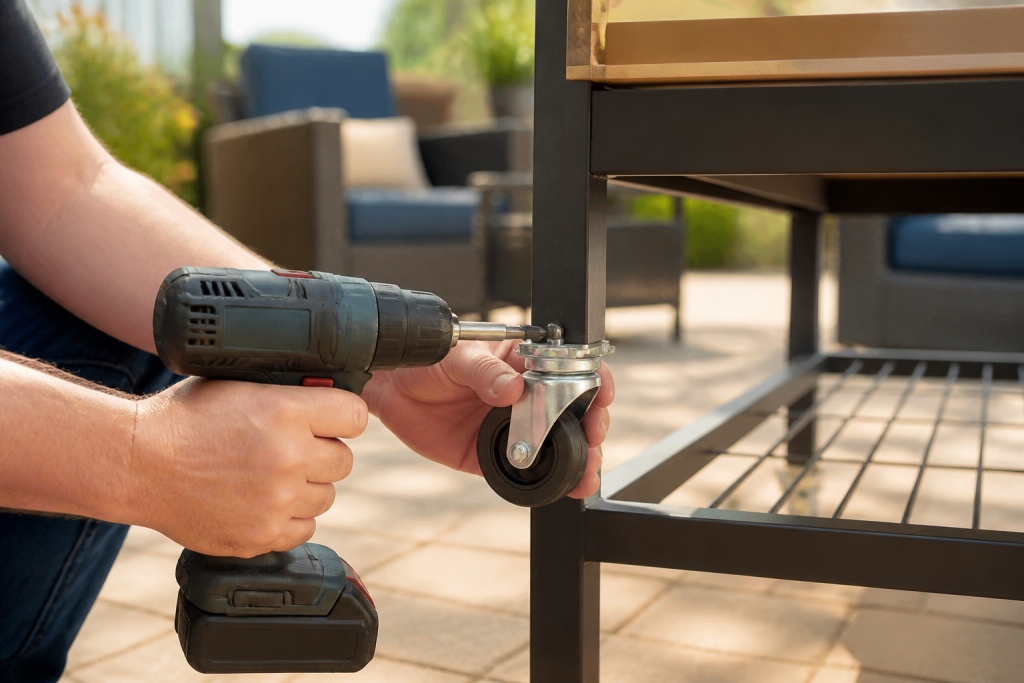
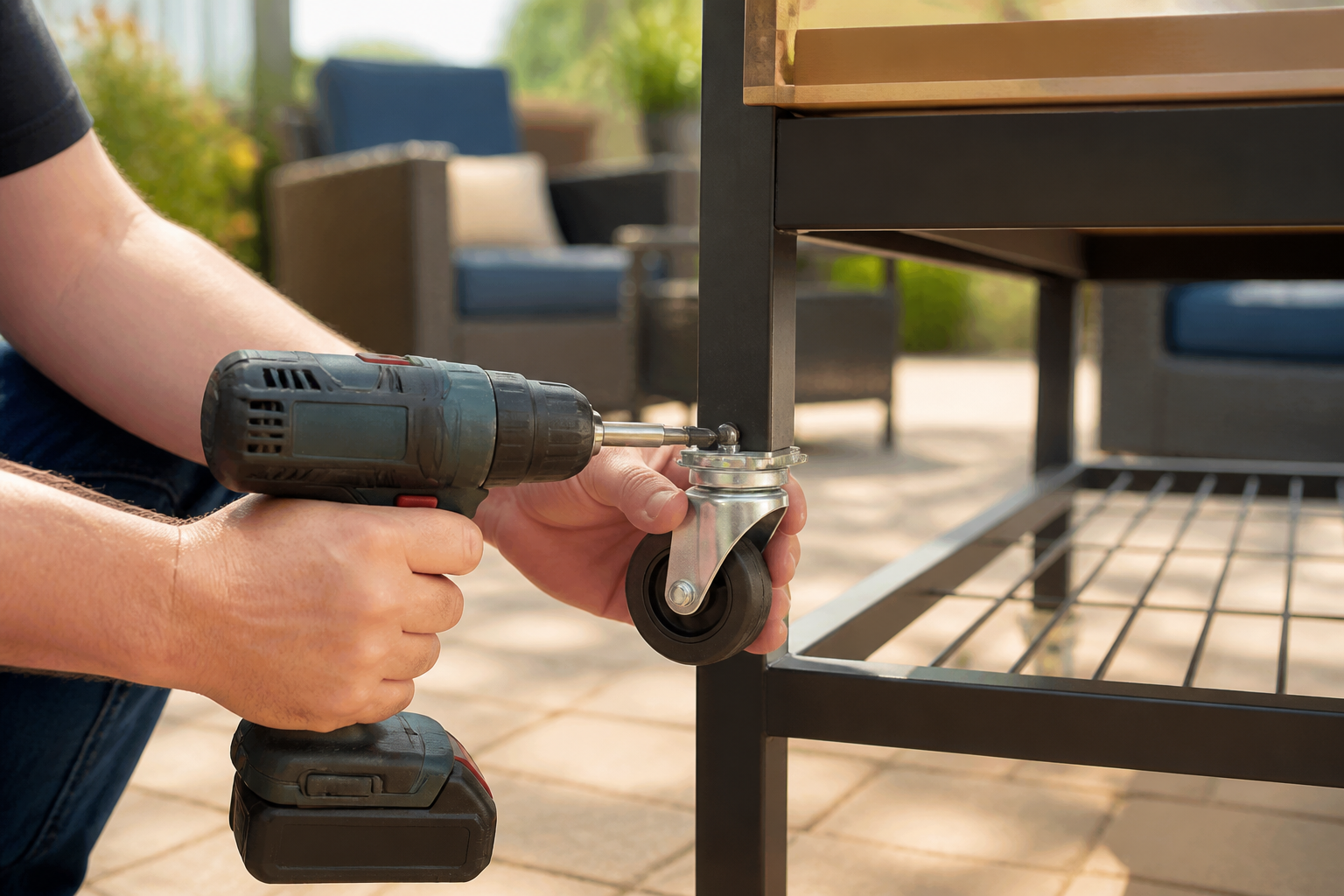
Carefully align each caster with its marked and prepared mounting point. Secure plate casters with screws or bolts, tightening them firmly but without overtightening, which could strip the material. For stem casters, gently tap or screw them into their threaded inserts or pre-drilled holes until they are fully seated. Ensure all casters are oriented correctly for optimal movement.
Step 5: Testing and Adjusting
With all wheels attached, carefully turn your furniture upright. Gently test its mobility by pushing it across your patio surface. Check for any wobbling, unevenness, or resistance. If necessary, make small adjustments to the tightness of the fasteners or realign any slightly crooked wheels. This step ensures smooth operation.
Step 6: Securing Locking Mechanisms
If your chosen casters include locking mechanisms, engage them to ensure they hold the furniture firmly in place. Test each lock individually to confirm it prevents movement. This is especially important for tables or items that need to remain stationary for safety or convenience. Proper engagement of locks adds a layer of security.
Step 7: Final Inspection
Perform a final, thorough inspection of your newly wheeled furniture. Check all fasteners for tightness, ensure no sharp edges are exposed, and confirm that the wheels roll freely when unlocked. Wipe down any dust or marks from the installation process. Your item is now ready to enjoy its enhanced mobility and functionality.
Advanced Tips for Durable Patio Wheel Installation
Beyond the basic steps, a few advanced considerations can ensure your Patio Wheel Installation stands the test of time and performs optimally in various outdoor conditions. Thinking ahead about maintenance and specific furniture types can save you effort in the long run.
Best Method for Wooden Patio Benches and Patio Wheel Installation
For wooden patio benches, plate casters are generally the most robust choice. Bolt them directly to the underside of the bench legs or frame using rust-resistant hardware. Pre-drilling pilot holes is crucial to prevent wood splitting. For very thick wooden legs, heavy-duty threaded stem casters with appropriate threaded inserts can provide an extremely secure and clean installation. Always use exterior-grade fasteners to resist corrosion.
Do patio furniture wheels work well on uneven surfaces? While wheels significantly improve mobility, very uneven surfaces can still pose a challenge. Larger diameter wheels (3-4 inches or more) tend to navigate bumps and small obstacles better than smaller ones. Swivel casters offer more flexibility on varied terrain. However, for extremely uneven ground, consider using a combination of wheels and leveling feet, or choose a different method of mobility.
Regular maintenance, such as cleaning debris from the wheels, will also help.
Replacing a broken wheel on your patio serving cart is typically a straightforward process. First, identify the type of caster (plate or stem) and its mounting mechanism. You’ll need to remove the old, broken wheel by unscrewing the plate or pulling out the stem. Measure the old wheel’s diameter and stem size (if applicable) to ensure you purchase a compatible replacement.
Then, simply attach the new wheel using the reverse of the removal process, ensuring it’s securely fastened and rolls smoothly.
Considering the benefits, Patio Wheel Installation is a smart upgrade for enhancing the usability of your outdoor space. It allows for quick adjustments to sun and shade, easy cleaning, and effortless rearrangement for entertaining. This simple modification can significantly improve your outdoor living experience.
Enhance Mobility with Expert Patio Wheel Installation Parts!
At Chair Sling Store, we provide a comprehensive selection of high-quality wheels and accessories to make your outdoor furniture effortlessly mobile and durable.
Finding Expert Help for Patio Wheel Installation
While many Patio Wheel Installation projects are well within the scope of a DIY enthusiast, there are times when professional assistance can be invaluable. This is especially true for very heavy, valuable, or uniquely constructed outdoor items where precision and specialized tools are required. Knowing when to seek help ensures the job is done correctly and safely.
Who installs wheels on heavy outdoor planters? For exceptionally large or heavy outdoor planters, a professional handyman service or a specialized outdoor furniture repair shop might offer installation services. These experts often have the necessary lifting equipment, heavy-duty casters, and experience with various materials to ensure a secure and stable installation. They can also advise on the best type of wheels for the planter’s weight and your specific patio surface.
Where can I find a service for patio wheel installation near me? To find local services, start by searching online for
Frequently Asked Questions About Patio Wheel Installation
How do I install wheels on a patio table?
Installing wheels on a patio table typically involves identifying suitable mounting points, often at the table legs. You may need to drill pilot holes if the table doesn’t have pre-drilled holes or threaded inserts.
Secure the wheel casters using screws or bolts, ensuring they are tightly fastened for stability. Measure carefully and choose wheels appropriate for the table’s weight and your patio surface.
What type of wheels are best for outdoor patio furniture?
For outdoor patio furniture, corrosion-resistant wheels are essential. Look for wheels made of stainless steel, zinc-plated steel, or robust plastics like polyurethane or nylon. Rubber or soft plastic wheels are ideal for protecting delicate patio surfaces like wood or composite, while harder wheels might be better for concrete or gravel. Locking mechanisms are also highly recommended for stability.
Can existing patio chairs have wheels added to them?
Yes, most existing patio chairs can have wheels added, though the process varies. Chairs with hollow legs can often accept stem casters. Chairs with solid legs might require plate casters that screw into the bottom or side of the leg. It’s crucial to assess the chair’s leg structure and material to ensure secure attachment and proper weight distribution for the added wheels.
What tools are needed for patio wheel installation?
Basic tools for patio wheel installation often include a drill with appropriate bits (for pilot holes), a screwdriver or wrench set (depending on the fastener type), a measuring tape, and a pencil for marking. You might also need safety glasses and a level to ensure even wheel alignment. Some installations may require specialized hardware, such as threaded inserts.
Why would I want wheels on my patio furniture?
Adding wheels to patio furniture significantly enhances its versatility and ease of use. Wheels allow you to effortlessly rearrange layouts, move items for cleaning or storage, or adjust for sun and shade. This feature is particularly beneficial for heavy pieces like large tables, planters, or chaises, making your outdoor space more adaptable and enjoyable.
Are locking wheels necessary for patio tables?
Locking wheels are highly recommended for patio tables, especially if they are frequently used or exposed to windy conditions. Locking mechanisms prevent tables from shifting unexpectedly, ensuring stability during meals or gatherings. They also add a safety feature, keeping the table securely in place when not being moved.
What is the best method to attach wheels to a wooden patio bench?
For a wooden patio bench, the best method typically involves using plate casters that bolt directly to the underside of the bench legs or frame. Pre-drilling pilot holes is crucial to prevent wood splitting. Alternatively, if the legs are sufficiently thick, heavy-duty threaded stem casters can be installed using appropriate threaded inserts for a very secure fit.
What size wheels are appropriate for a large patio umbrella base?
For a large patio umbrella base, larger, heavier-duty wheels are appropriate to handle the significant weight and potential wind resistance. Look for wheels with a diameter of at least 3-4 inches (7.5-10 cm) and a high weight capacity. Swivel casters with a locking mechanism are ideal for easy repositioning and securing the base once it’s in place.