
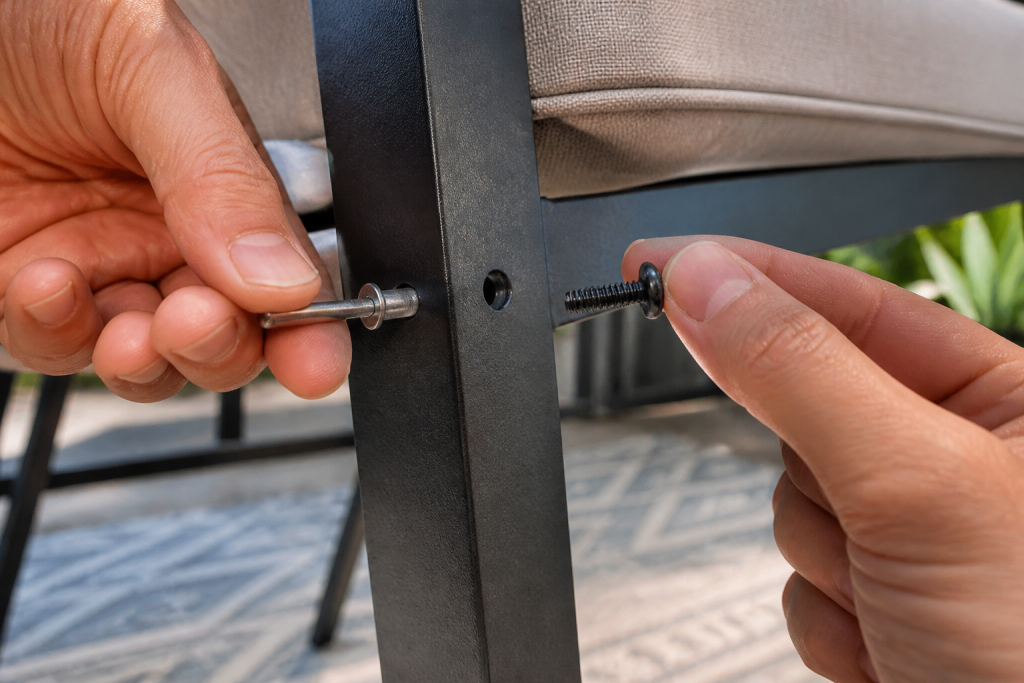
The longevity of your outdoor furniture often hinges on the integrity of its fasteners. Over time, exposure to elements can weaken connections, leading to wobbly chairs, sagging slings, or even structural failure. When faced with such repairs, a critical decision arises: which fastener is best? The choice between Patio Rivet vs Screw is not merely a matter of preference; it’s about understanding the unique strengths and applications of each to ensure a secure, lasting fix for your beloved patio pieces.
This comprehensive guide will delve into the fundamental differences between these two common fastening methods. We’ll explore scenarios where one outperforms the other, detail the tools required for installation and removal, and provide practical advice to help you make the ultimate choice for your specific repair needs. From understanding material strengths to navigating DIY projects, consider this your essential resource for mastering outdoor furniture repair, ensuring your patio remains a haven of comfort and style for years to come.
Key Takeaways
- Understand the fundamental differences in installation, permanence, and strength when considering Patio Rivet vs Screw for repairs.
- Learn when rivets are the superior choice for permanent, vibration-resistant connections, and when screws offer greater flexibility and ease of maintenance.
- Discover the essential tools and techniques required for both installing and removing rivets and screws, empowering your DIY repair projects.
- Identify the best types of fasteners and materials for outdoor use to ensure your repairs withstand harsh weather and prolonged exposure.
Understanding the Core Differences: Patio Rivet vs Screw
When tackling patio furniture repair, the initial step is to grasp the fundamental distinction between a rivet and a screw. This understanding is crucial for making an informed decision about Patio Rivet vs Screw. While both are designed to join materials, their mechanisms, permanence, and typical applications vary significantly.
A rivet is a permanent mechanical fastener. It consists of a smooth cylindrical shaft with a head on one end. During installation, the rivet is inserted into a pre-drilled hole, and the tail end is deformed (often by a rivet gun) to create a second head, securing the materials together. This creates a strong, tamper-resistant joint that is not easily disassembled without drilling out the rivet.
Conversely, a screw is a threaded fastener. It features a helical ridge, or thread, that wraps around a cylindrical shaft. Screws are installed by rotating them into a material, either into a pre-tapped hole or by cutting their own threads (self-tapping screws). This threaded design allows for easy removal and reinstallation, making screws a versatile choice for applications requiring future disassembly or adjustments.
What is the Main Difference: Patio Rivet vs Screw?
The main difference lies in their permanence and installation. Rivets create a permanent, often flush, connection that requires specialized tools for both installation and removal. They are ideal when a joint is intended to be fixed indefinitely. Screws, on the other hand, offer a temporary or semi-permanent connection that can be easily undone with a standard screwdriver or drill, providing flexibility for maintenance or modifications. This core distinction guides the choice between Patio Rivet vs Screw for any repair.
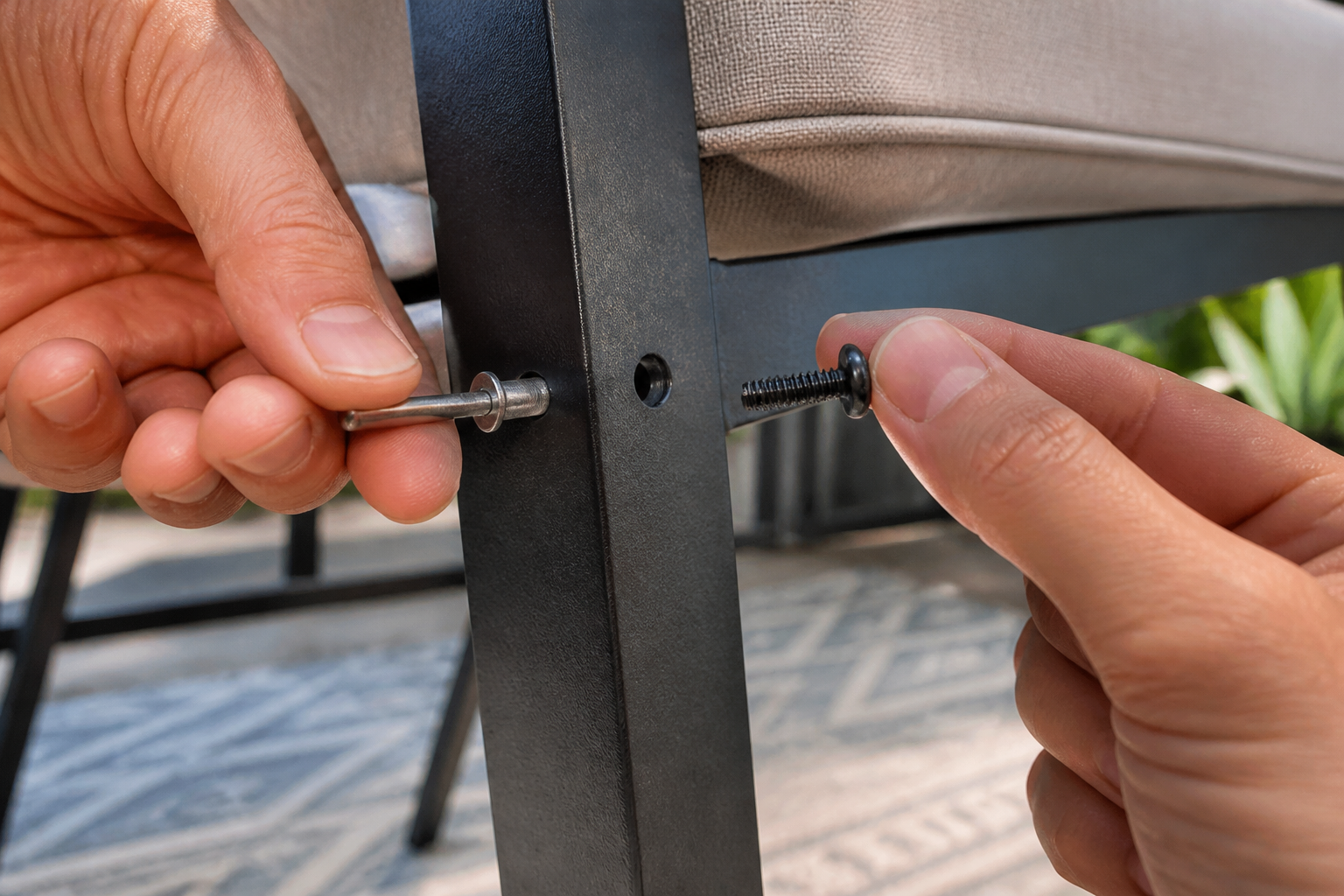
Why Manufacturers Choose Rivets Over Screws for Patio Construction
Manufacturers often opt for rivets in patio furniture construction for several strategic reasons. Rivets offer superior shear strength, making them excellent for joints that experience lateral forces, common in chair frames. Their permanent nature also means fewer parts can loosen over time due to vibration or repeated use, enhancing the furniture’s durability and reducing warranty claims. Furthermore, rivets can be installed quickly and efficiently in an assembly line, often from one side, which streamlines manufacturing processes and reduces labor costs. This makes the Patio Rivet vs Screw decision clear for mass production.
Ready for Ultimate Patio Furniture Repair? Discover Patio Rivet vs Screw Options at Chair Sling Store!
Chair Sling Store offers all the essential parts and guidance you need for secure, lasting outdoor furniture fixes. Whether you prefer rivets or screws, we have the quality solutions to restore your patio.
When to Choose Each: Patio Rivet vs Screw Applications
Deciding between Patio Rivet vs Screw for your repair project depends heavily on the specific application and desired outcome. Each fastener excels in different scenarios, making it crucial to understand their ideal uses.
Rivets for Permanent Fixes: Patio Rivet vs Screw
Rivets are the go-to choice when you need a strong, permanent, and often tamper-resistant connection. They are particularly effective for joining thin materials, such as aluminum tubing or sheet metal, which are common in patio furniture frames. Pop rivets, also known as blind rivets, are especially useful as they can be installed when access is only available from one side of the material. This makes them perfect for securing sling rails to chair frames or attaching decorative elements where a flush finish is desired.
For example, if you are repairing an aluminum patio chair where a sling rail has come loose, a pop rivet is often the original fastener and the best replacement. It provides a tight, vibration-resistant joint that will hold up well to outdoor conditions. The permanence of rivets also means they are less likely to loosen over time compared to screws, which can be affected by repeated stress and temperature fluctuations.
Screws for Versatility: Patio Rivet vs Screw
Screws offer unparalleled versatility and are preferred when a joint might need to be disassembled in the future for maintenance, replacement of parts, or transport. They are excellent for assembling new patio sets, attaching cushions, or securing components that may require periodic adjustment. The ease of installation and removal with standard tools makes screws a favorite for DIY enthusiasts.
Self-tapping screws, which create their own threads as they are driven into the material, are particularly useful for outdoor furniture made from aluminum or plastic. For more robust connections, machine screws used with nuts and washers provide exceptional strength and can be tightened to a precise torque. When considering Patio Rivet vs Screw for a project requiring flexibility, screws are often the superior choice.
Strength and Durability: Patio Rivet vs Screw in Outdoor Settings
Both rivets and screws can provide strong, durable connections for outdoor patio applications, but their performance characteristics differ. Understanding these differences is key to selecting the right fastener for long-term reliability when evaluating Patio Rivet vs Screw.
Are Screws or Rivets Stronger for Outdoor Patio Applications?
The strength of a fastener, whether a screw or a rivet, depends on several factors: the material of the fastener, its size, the materials being joined, and the type of stress it will endure. In terms of shear strength (resistance to forces parallel to the fastener), rivets often have an advantage, especially in aluminum structures, as the deformed material fills the hole completely, creating a robust, tight fit. They are less prone to loosening from vibration.
Screws, particularly those made from high-quality stainless steel, offer excellent tensile strength (resistance to forces pulling along the fastener’s axis) and can create very strong joints when properly threaded into the material. However, screws can be susceptible to loosening over time due to vibration, thermal expansion and contraction, or stripping of threads if over-tightened. For more detailed specifications on outdoor fasteners, you can consult resources like Fastenal’s Technical Reference Guide.
For aluminum patio furniture, well-installed rivets often provide a very robust, long-lasting connection that resists the elements and constant use. However, for heavier-duty applications or where greater clamping force is needed, a properly sized and material-matched screw with a nut and washer can be exceptionally strong. The choice for Patio Rivet vs Screw ultimately comes down to the specific stress profile of the joint.
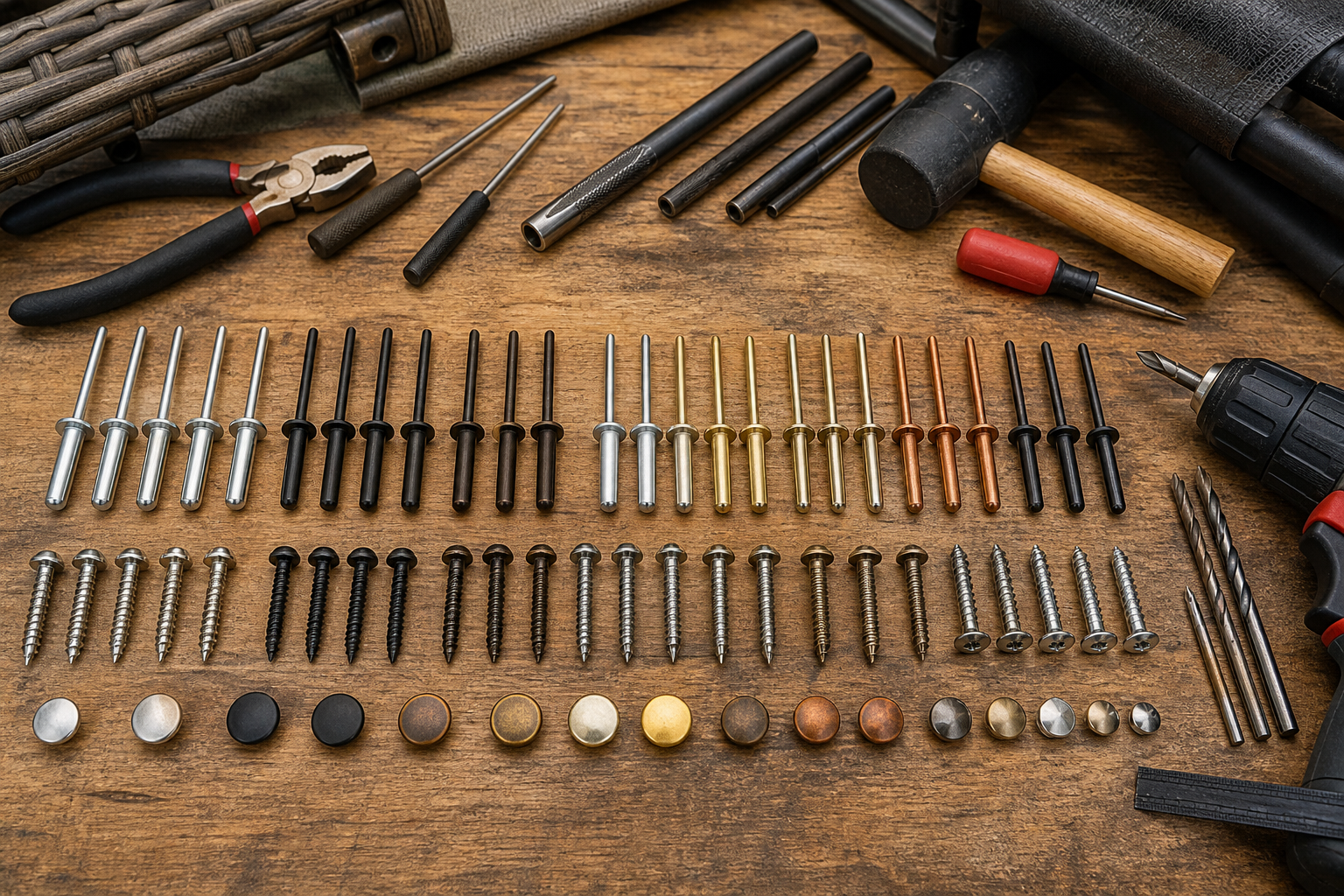
DIY Repair: Replacing and Installing Patio Rivet vs Screw
Undertaking DIY patio furniture repair can be a rewarding experience, but it requires the right tools and techniques. The processes for installing and removing rivets versus screws are quite different, impacting the ease of a DIY patio project and the necessary investment in tools when considering Patio Rivet vs Screw.
What Tools are Needed to Install Patio Rivets Versus Screws?
Installing rivets typically requires a rivet gun, also known as a pop rivet tool. These tools range from inexpensive manual hand riveters to more powerful pneumatic or electric models. You will also need a drill and appropriate drill bits to create pilot holes for the rivets. Removing rivets involves drilling out the old rivet, which also requires a drill and specific drill bit sizes.
For screws, the tool requirements are generally simpler. A manual screwdriver or an electric drill/driver with various bits (Phillips, flathead, Torx, etc.) is usually sufficient. If using machine screws, you might also need wrenches for nuts. The cost of patio rivet tools compared to screwdrivers can vary significantly; a basic hand riveter might cost $20-$50, while a good set of screwdrivers or a drill/driver can range from $30 to hundreds of dollars, depending on quality and features.
How Do I Remove a Broken Rivet from Patio Furniture?
Removing a broken or damaged rivet from patio furniture is a straightforward process that requires a drill. First, select a drill bit that is slightly larger than the rivet’s shaft but smaller than its head. Carefully drill directly into the center of the rivet’s head. Apply steady pressure and drill until the head shears off. Once the head is removed, the remaining shaft of the rivet can typically be pushed out with a punch or tapped out with a hammer. Always wear safety glasses when drilling.
Can I Replace Rivets with Screws on My Patio Chair? Patio Rivet vs Screw
Yes, in many cases, you can replace rivets with screws on your patio chair. This is a common solution, especially if you prefer the ability to disassemble the furniture later. To do this, you will first need to remove the old rivet by drilling it out. Once the hole is clear, you can use a self-tapping screw that is slightly larger than the original rivet hole, allowing it to create new threads in the metal. Alternatively, if both sides of the material are accessible, you can use a machine screw with a washer and a nut for a very secure, removable connection. Ensure the screw material is appropriate for outdoor use, such as stainless steel, to prevent corrosion.
Is it Easier to Install Screws or Rivets on a DIY Patio Project?
For most DIYers, installing screws is generally considered easier than installing rivets. Screws require less specialized technique and tools that are more commonly found in a typical homeowner’s toolkit. Rivets, while not inherently difficult, do require a rivet gun and a specific process of drilling and setting that might be less familiar. However, with a little practice, both methods are achievable for a DIY patio project. The ease of installation for Patio Rivet vs Screw often comes down to familiarity with the tools.
What are the Best Rivet Alternatives for Patio Repair?
If rivets are not feasible or preferred, several alternatives can be used for patio repair. The most common and versatile alternative is a screw, particularly a self-tapping screw for metal frames or a machine screw with a nut and washer for stronger, through-hole connections. Other alternatives include bolts, which offer even greater strength and clamping force, or specialized fasteners like blind nuts (rivet nuts) that create a threaded insert in thin materials, allowing for a screw to be used. The best alternative for Patio Rivet vs Screw depends on the specific repair and the materials involved.
Finding the Right Fasteners: Where to Buy Patio Rivet vs Screw Components
Once you’ve decided on the best fastener for your repair, the next step is sourcing high-quality components. The longevity of your repair depends not just on the type of fastener, but also on its material and quality. This is particularly true when considering Patio Rivet vs Screw for outdoor use.
Where Can I Buy Patio Rivets for Aluminum Furniture?
Patio rivets, especially those suitable for aluminum furniture, can be purchased from various sources. Hardware stores, home improvement centers, and specialized fastener suppliers are good starting points. Online retailers also offer a wide selection. When buying, look for aluminum rivets or stainless steel rivets, as these materials offer excellent corrosion resistance for outdoor environments. Ensure you select the correct diameter and grip range (the total thickness of the materials being joined) for your specific repair.
What Type of Screws are Best for Assembling a New Patio Set?
For assembling a new patio set or for any outdoor application, stainless steel screws are highly recommended. Stainless steel (e.g., 18-8 or 316 grade) offers superior resistance to rust and corrosion, which is essential for fasteners exposed to moisture and varying weather conditions. Self-tapping screws are convenient for joining metal or plastic components, while machine screws with corresponding nuts and washers provide the strongest and most reliable connections for structural elements. Avoid zinc-plated or plain steel screws, as they will quickly rust outdoors.
Who Sells High-Quality Stainless Steel Patio Screws?
High-quality stainless steel patio screws can be found at reputable hardware stores, specialty fastener distributors, and online suppliers. Brands that focus on marine-grade or outdoor-specific fasteners often provide the best quality. Always check the material grade (e.g., 304 or 316 stainless steel) to ensure optimal corrosion resistance. Investing in quality fasteners will significantly extend the life of your patio furniture repairs.
Pros and Cons: Patio Rivet vs Screw at a Glance
Making the right choice between Patio Rivet vs Screw involves weighing their respective advantages and disadvantages. Here’s a quick summary to help you decide:
What is the main difference between patio rivets and screws?
Rivets are permanent fasteners, installed by deforming one end to create a strong, often flush, connection. They require specialized tools (rivet gun). Screws are threaded fasteners, allowing for disassembly and reassembly, installed with a screwdriver or drill.
When should I use rivets instead of screws for patio furniture repair?
Rivets are ideal when a permanent, flush, or tamper-resistant connection is desired, especially in applications where only one side of the material is accessible. They are commonly used for attaching slings to aluminum frames or connecting thin sheet materials.
Are screws or rivets stronger for outdoor patio applications?
Both can be strong, but their strength depends on material, size, and application. Rivets offer excellent shear strength and can prevent loosening from vibration. Screws, especially self-tapping ones, provide good tensile strength and are strong when properly threaded into the material. For aluminum patio furniture, well-installed rivets often provide a very robust, long-lasting connection.
Can I replace rivets with screws on my patio chair?
Often, yes. If the original rivet hole is suitable, you can drill it out and use a self-tapping screw or a screw with a nut if both sides are accessible. Ensure the screw material is appropriate for outdoor use (e.g., stainless steel) to prevent corrosion.
What tools are needed to install patio rivets versus screws?
Installing rivets typically requires a rivet gun (manual or pneumatic) and a drill for making pilot holes. Screws require a screwdriver (manual or electric) or a drill with appropriate bits. Removing rivets usually involves drilling them out.
How do I remove a broken rivet from patio furniture?
To remove a broken rivet, you’ll need a drill. Select a drill bit slightly larger than the rivet’s shaft. Carefully drill directly into the center of the rivet’s head until it shears off. Once the head is removed, the remaining shaft can be pushed out.
What are the pros and cons of rivets versus screws for patio use?
Rivets: Pros include permanent, strong, vibration-resistant, often flush finish, and can be installed from one side. Cons include permanence (difficult removal), requiring a special tool, and not ideal for frequent disassembly. Screws: Pros include easy installation/removal, reusability, and versatility. Cons include potential loosening from vibration, exposed heads, and susceptibility to stripping or corrosion if not properly chosen.
How to decide between pop rivets and self-tapping screws for outdoor furniture?
Choose pop rivets for strong, semi-permanent attachments where you only have access to one side, such as securing sling rails to chair frames. Opt for self-tapping screws when you need a stronger, often larger, fastener that might be disassembled later, or when joining thicker metal sections where threads can be formed.
Your Ultimate Choice for Secure Patio Furniture Repair
Navigating the world of patio furniture repair, especially when faced with the decision of Patio Rivet vs Screw, can seem daunting. However, by understanding the distinct characteristics, applications, and installation methods of each fastener, you are now equipped to make informed choices that will ensure the longevity and stability of your outdoor pieces. Whether you prioritize permanence and shear strength with rivets or the versatility and ease of removal offered by screws, the right fastener, correctly installed, is the cornerstone of a successful repair.
Remember to always consider the specific demands of your repair, the materials involved, and the tools at your disposal. Investing in quality, outdoor-appropriate fasteners, such as stainless steel, will protect your efforts against the elements. With this knowledge, you can confidently tackle any patio furniture repair, ensuring your outdoor living space remains both beautiful and functional. Make the ultimate choice for secure patio furniture repair and enjoy your revitalized outdoor oasis.