
Restore Patio Furniture: 12 Expert Tips for Renewing Your Favorite Brands
To truly restore patio furniture is to breathe new life into cherished outdoor pieces, transforming them from faded relics into vibrant focal points of your garden or deck. It’s more than just a repair; it’s an investment in sustainability and personal style. For those seeking a truly restorative solution that looks beautifully and authentically their own, this guide presents a sophisticated answer. This comprehensive article offers a remarkable, dual-action approach that provides both immediate aesthetic improvement and long-term durability.
In this guide, we will explore the techniques that set successful furniture restoration apart. We’ll demystify how to approach different materials, detail what supplies you’ll need, and explain why the right approach is key to achieving the defined look and smooth, refreshed appearance you desire. Consider this your personal invitation to discover a more radiant, revitalized outdoor space, built on a foundation of expert knowledge.
Key Takeaways
- Understand how proper restoration provides an immediate aesthetic lift while also extending the lifespan of your furniture for lasting results.
- Learn the crucial difference between quick fixes and comprehensive restoration that rebuilds your furniture’s underlying structure for a more authentic renewal.
- Discover why material-specific techniques are just as important as the products themselves for achieving refined, natural-looking finishes when you restore patio furniture.
- Evaluate if restoring your furniture is the right investment for you by exploring its impressive longevity and how it delivers a sustained, beautiful appearance.
How to Restore Patio Furniture: The Ultimate Guide
The process to restore patio furniture can seem daunting, but with a systematic approach, it’s a rewarding DIY project. Begin by thoroughly cleaning each piece to remove dirt, grime, and mildew. This initial step is crucial for assessing the true condition of your furniture and preparing surfaces for subsequent treatments.
Next, inspect for any structural damage. Tighten loose bolts, repair cracks in wood, or re-weld broken metal frames. Addressing these issues early ensures the furniture is safe and stable before moving on to cosmetic enhancements. Proper preparation is the foundation of a successful restoration.
Finally, focus on refinishing. This could involve sanding and repainting metal, staining or sealing wood, or replacing worn fabrics like slings and vinyl straps. Each material requires specific techniques and products to achieve a durable and attractive finish that will withstand outdoor elements for years to come.
Essential Materials and Supplies to Restore Patio Furniture
To effectively restore patio furniture, gathering the right materials and supplies is paramount. Your toolkit should include a variety of cleaning agents, from mild soap and water to specialized mildew removers. Brushes, sponges, and a pressure washer (used carefully) will aid in deep cleaning.
For repairs, you might need sandpaper of various grits, wire brushes for rust removal, wood filler, epoxy for plastic, or even welding equipment for metal frames. Replacement parts such as slings, vinyl straps, or glides are often necessary. You can find a wide selection of these essential components at Chair Sling Store.
Refinishing supplies will vary by material but commonly include primers, outdoor-grade paints (spray or brush-on), wood stains, sealants, and clear coats. Always choose products specifically designed for outdoor use to ensure longevity and resistance to UV rays and moisture. Safety gear like gloves, masks, and eye protection are also indispensable.
Is It Worth It to Restore Patio Furniture?
Deciding whether to restore patio furniture or replace it often comes down to a few key factors: cost, quality, and sentimental value. For high-quality pieces made from durable materials like wrought iron, teak, or commercial-grade aluminum, restoration is almost always a worthwhile investment. These pieces are built to last and can easily outlive cheaper, newer alternatives.
Restoration is also a more environmentally friendly option, reducing waste and the demand for new manufacturing. If your furniture holds sentimental value, perhaps it’s a family heirloom or a set you’ve enjoyed for many years, then the effort to restore it often outweighs the cost of buying new. The result is a unique, custom-finished piece that perfectly suits your style.
While the initial outlay for materials or professional services might seem significant, consider the long-term savings. A well-restored set can last another decade or more, whereas inexpensive new furniture might only last a few seasons. This makes restoration a smart financial and ecological choice.
Understanding Different Materials to Restore Patio Furniture
The approach you take to restore patio furniture largely depends on the materials it’s made from. Each material—metal, wood, wicker, plastic, or resin—presents unique challenges and requires specific restoration techniques. Understanding these differences is key to achieving successful and lasting results.
Metal furniture, such as wrought iron or aluminum, often suffers from rust, corrosion, or chipped paint. Wood pieces, like teak or cedar, can fade, crack, or develop mildew. Wicker, whether natural or synthetic, might unravel or become brittle. Plastic and resin furniture tends to fade and become chalky over time due to sun exposure.
By identifying the material, you can select the appropriate cleaning agents, repair methods, and protective finishes. This tailored approach ensures that the restoration process addresses the specific vulnerabilities of each material, maximizing durability and aesthetic appeal.
Restore Metal Patio Furniture: Best Practices
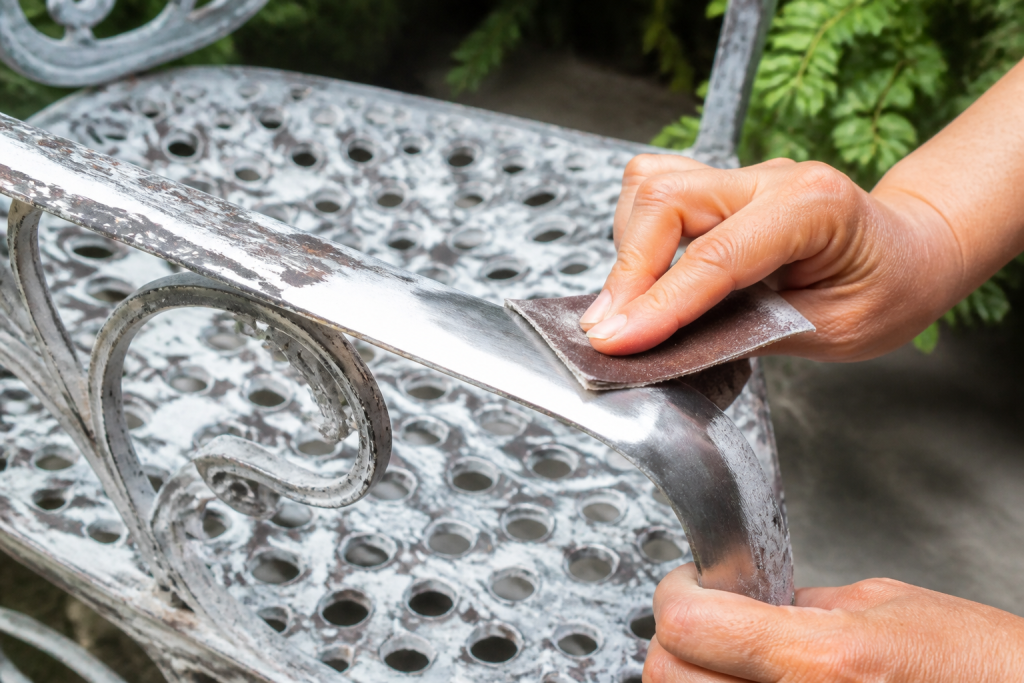
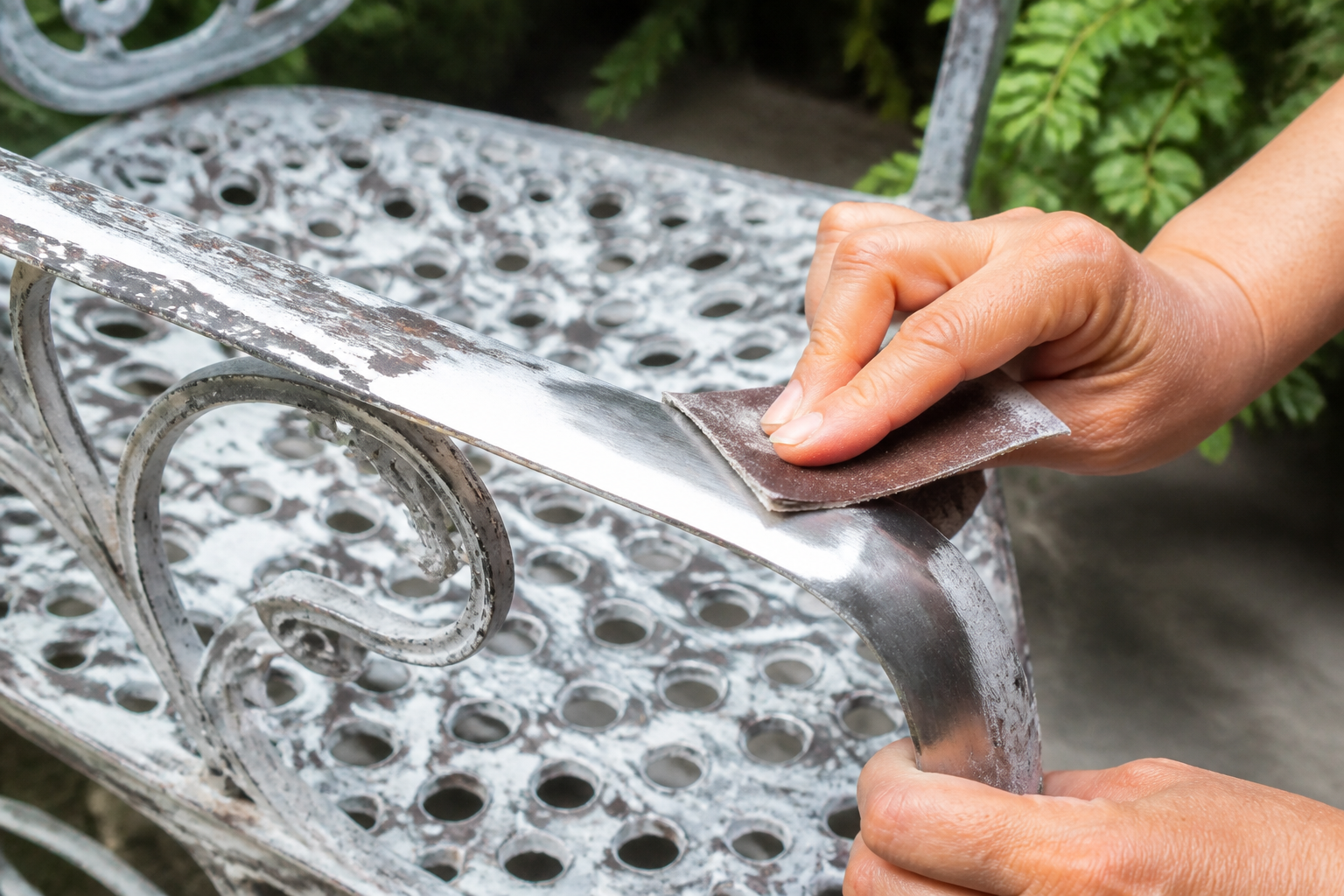
To effectively restore patio furniture made of metal, begin by thoroughly cleaning the surface. Use a stiff brush and a degreaser to remove dirt, grease, and loose paint. For rust, a wire brush, sandpaper, or a rust-removing solution is essential. Ensure all rust is removed to prevent it from spreading under new paint.
Once clean and dry, apply a rust-inhibiting primer. This creates a protective barrier and provides a good base for your topcoat. For the finish, choose a high-quality outdoor metal paint, ideally a rust-resistant enamel or a powder-coat finish if you’re using a professional service. Apply several thin coats for a smooth, durable finish.
Consider using a spray gun for an even application, especially for intricate designs. Allow ample drying time between coats and before use. Regular cleaning and touch-ups will help maintain its renewed appearance for years.
Restore Faded Plastic or Resin Patio Furniture
Faded plastic or resin furniture can be significantly rejuvenated with the right techniques. To restore patio furniture made of these materials, start with a deep clean using a mild detergent and a soft brush. For stubborn stains or mildew, a diluted bleach solution or a specialized plastic cleaner can be effective.
Once clean and dry, you have a few options. For minor fading, a plastic restorer or a car detailing product designed for exterior plastics can bring back some luster. For more severe fading, painting is an excellent solution. Use a spray paint specifically formulated for plastics, which contains additives to adhere properly and flex with the material.
Apply several light, even coats to avoid drips and ensure full coverage. A UV-resistant clear coat can be applied afterward for added protection against future fading. This process can dramatically extend the life and improve the look of your plastic pieces.
Refinish Wooden Patio Furniture: Step-by-Step
Refinishing wooden patio furniture is a transformative project. To restore patio furniture crafted from wood, start by cleaning it thoroughly to remove dirt, mildew, and any loose finish. A wood cleaner or a solution of mild soap and water works well. Rinse completely and allow it to dry.
Next, sand the entire piece. Start with a coarser grit sandpaper (e.g., 80-100 grit) to remove old finishes and smooth out imperfections, then move to finer grits (e.g., 150-220 grit) for a silky-smooth surface. Always sand with the grain of the wood. Repair any cracks or loose joints with wood glue or filler.
Finally, apply a new protective finish. Options include outdoor-grade stains, paints, or clear sealants. For natural wood looks, a marine-grade varnish or penetrating oil offers excellent protection. Apply multiple thin coats, allowing adequate drying time between each, to ensure maximum durability against the elements.
Can Outdoor Cushions Be Restored?
When you seek to restore patio furniture, don’t forget the cushions. Outdoor cushions can often be restored, depending on the extent of their wear. For surface dirt and mildew, a thorough cleaning with an appropriate fabric cleaner or a diluted bleach solution can work wonders. Always check the care label first.
If the fabric is faded but otherwise intact, consider using a fabric dye specifically designed for outdoor use. This can revitalize the color without needing a full replacement. However, if the fabric is torn, heavily stained, or the foam inside is degraded, moldy, or no longer supportive, replacement is usually the best option.
You can often purchase replacement cushion covers or new foam inserts. This is a cost-effective way to refresh the look and comfort of your seating without buying entirely new cushions. Many specialty stores offer custom cushion services.
Where to Buy Kits and Products to Restore Patio Furniture
Finding the right products is crucial when you aim to restore patio furniture. Home improvement stores like Lowe’s or Home Depot offer a wide range of paints, stains, cleaning solutions, and some basic repair parts. Online retailers, such as Amazon, provide an even broader selection, including specialized tools and materials.
For specific replacement parts like slings, vinyl straps, or glides for various brands, specialty online stores are your best bet. Websites like Chair Sling Store specialize in these components, offering high-quality, durable options that can perfectly match or upgrade your existing furniture. They often provide detailed guides and customer support to help you select the correct parts.
Local hardware stores might also carry essential supplies, and some larger cities have dedicated patio furniture repair shops that sell professional-grade products. Always ensure the products you choose are rated for outdoor use and compatible with your furniture’s material.
Ready to Restore Patio Furniture? Explore Our Premium Repair Parts.
Chair Sling Store offers an unparalleled selection of replacement slings, vinyl straps, and essential parts to bring your beloved outdoor furniture back to life with quality and style.
Why Restore Patio Furniture Instead of Buying New?
Choosing to restore patio furniture instead of purchasing new offers numerous benefits beyond just cost savings. It’s a sustainable choice that reduces landfill waste and minimizes the environmental impact associated with manufacturing new goods. By extending the life of your existing pieces, you contribute to a more circular economy.
Restoration also allows for customization. You can select specific colors, fabrics, and finishes that perfectly match your evolving aesthetic or complement your outdoor decor, something often difficult to achieve with off-the-shelf new furniture. This personal touch creates a unique and cohesive outdoor living space.
Furthermore, many older patio furniture sets are built with higher quality materials and craftsmanship than their modern, mass-produced counterparts. Restoring these durable pieces ensures you retain superior construction that will likely outlast cheaper new options, providing better long-term value and enjoyment.
Longevity of Patio Furniture Restoration
The lifespan of a restored patio furniture piece largely depends on the quality of the materials used, the thoroughness of the restoration process, and ongoing maintenance. A professional-grade restoration can significantly extend the life of your furniture, often adding another 5 to 15 years or even more.
For instance, metal furniture that has been properly cleaned, primed with rust-inhibiting paint, and finished with durable outdoor enamel can resist corrosion and fading for many seasons. Wooden furniture, when sanded, sealed, and regularly re-oiled or re-stained, can maintain its beauty and structural integrity for over a decade.
Even components like replacement slings or vinyl straps, if made from high-quality, UV-resistant materials, can last for years. Regular cleaning, covering furniture during harsh weather, and prompt repairs of minor damage will maximize the longevity of your restored pieces. For more information on outdoor furniture care, consult resources like Better Homes & Gardens’ guide to outdoor furniture care.
Professional Patio Furniture Restoration Services
While many individuals opt to restore patio furniture themselves, sometimes professional services are the best choice, especially for complex repairs or high-value pieces. Professionals have specialized equipment, expertise, and access to commercial-grade materials that can yield superior and longer-lasting results.
What is the average cost to restore a set of patio furniture?
The cost to restore a set of patio furniture varies widely based on material, damage, and location. For a full set (e.g., table and four chairs), you might expect to pay anywhere from $500 to $2,000 or more. Metal refinishing, sling replacement, or extensive wood repair can add to the cost. Requesting multiple quotes is always recommended.
Who specializes in repairing and restoring patio umbrellas?
Repairing and restoring patio umbrellas is a niche service often offered by specialized outdoor furniture repair shops or awning companies. They can replace torn canopies, repair broken ribs, or fix crank mechanisms. While not always cost-effective for inexpensive umbrellas, it’s a great option for high-quality or custom designs.
How much does it cost to have wicker patio furniture professionally restored?
Professional wicker restoration, whether natural or synthetic, can be labor-intensive. Costs can range from $150 to $500 per piece, depending on the extent of unraveling, breakage, and the need for reweaving or refinishing. It’s an investment that can bring intricate pieces back to their original beauty.
Paints and Sealants for Outdoor Furniture
Choosing the right paints and sealants is critical when you aim to restore patio furniture for lasting outdoor performance. For metal, look for rust-inhibiting primers and exterior-grade enamel or epoxy paints. These provide a hard, durable finish that resists chipping, fading, and corrosion. Spray paints specifically designed for outdoor metal are convenient for intricate pieces.
For wooden furniture, exterior stains and sealants are essential. Penetrating oils (like teak oil) nourish the wood and enhance its natural color while offering protection. Polyurethane or spar varnish provides a clear, protective film that guards against UV damage and moisture. If painting wood, use an exterior primer followed by outdoor acrylic latex or oil-based paint.
For plastic or resin, specialized plastic spray paints are available that adhere well and remain flexible. A UV-resistant clear coat can enhance protection. Always ensure the products you select are specifically labeled for outdoor use to ensure they can withstand varying weather conditions and prolonged sun exposure.
Conclusion: Restore Patio Furniture for Lasting Enjoyment
To restore patio furniture is a rewarding endeavor that combines practicality with personal expression. It’s a sustainable choice that breathes new life into beloved pieces, saving money and reducing waste. By understanding the specific needs of different materials and applying the right techniques, you can transform faded, worn furniture into stunning outdoor assets that will provide years of additional enjoyment.
Whether you tackle a DIY project or opt for professional services, the effort invested in restoration pays dividends in durability, aesthetics, and environmental responsibility. Embrace the opportunity to revitalize your outdoor living space, creating a unique and inviting environment that reflects your style and values.
Frequently Asked Questions About Restoring Patio Furniture
How do you restore old patio furniture?
Restoring old patio furniture typically involves cleaning, repairing structural damage, replacing worn components like slings or straps, and refinishing surfaces such as metal or wood. The exact process depends on the material and extent of damage.
What materials and supplies are needed to restore patio furniture?
Essential supplies include cleaning solutions, sandpaper, paint strippers, primers, appropriate outdoor paints or stains, replacement fabrics (like slings or vinyl straps), new hardware, and various tools such as brushes, rollers, and screwdrivers.
Is it worth it to restore old patio furniture?
Restoring old patio furniture is often worth it, especially for high-quality or sentimental pieces. It’s more eco-friendly than buying new, can save money compared to new premium sets, and allows for customization to perfectly match your outdoor aesthetic.
What is the best way to restore metal patio furniture?
The best way to restore metal patio furniture involves cleaning, removing rust and old paint (sanding or wire brushing), applying a rust-inhibiting primer, and finishing with durable outdoor metal paint, ideally a powder coat for longevity.
How do I restore faded plastic or resin patio furniture?
To restore faded plastic or resin patio furniture, thoroughly clean it with soap and water, then use a plastic-specific cleaner or restorer. For deeper fading, you can apply outdoor-grade plastic paint or a UV-resistant clear coat designed for plastics.
What are the steps to refinish wooden patio furniture?
Refinishing wooden patio furniture involves cleaning the wood, sanding to remove old finishes and smooth surfaces, repairing any cracks or damage, and then applying an outdoor-grade stain, sealant, or paint for protection and renewed appearance.
Can outdoor cushions be restored or should they be replaced?
Outdoor cushions can sometimes be restored by deep cleaning or replacing the fabric covers if the foam is still intact. However, if the foam is moldy, deteriorated, or heavily stained, replacement is generally the best option for comfort and hygiene.
Where can I buy kits or products for restoring patio furniture?
You can buy kits or products for restoring patio furniture from specialty outdoor furniture stores, large home improvement retailers, online suppliers like Chair Sling Store, and sometimes even local hardware stores.
Why should I restore my patio furniture instead of buying new?
Restoring your patio furniture saves money, reduces waste, and allows you to preserve high-quality pieces with sentimental value. It’s an eco-conscious choice that also gives you creative control over the final look and feel.
How long does a patio furniture restoration typically last?
A quality patio furniture restoration can last anywhere from 5 to 15 years or even longer, depending on the materials used, exposure to elements, and ongoing maintenance. High-grade paints and fabrics offer superior durability.