
Patio Furniture Maintenance: 10 Powerful Longevity Tips
Patio Furniture Maintenance is not just a chore; it is a critical investment in the lifespan and aesthetic appeal of your outdoor living space. Your patio furniture endures harsh elements, from relentless sun and heavy rain to dust, pollen, and temperature fluctuations. Without proper care, even the most durable pieces can quickly deteriorate, leading to faded fabrics, rusted frames, and brittle materials.
This comprehensive guide will equip you with 10 powerful tips to protect your outdoor investment, with a special focus on extending the life of sling and strap furniture, ensuring your oasis remains beautiful and functional for years to come.
Understanding the nuances of different materials and applying targeted care strategies can significantly delay wear and tear. From routine cleaning to seasonal preparation and smart storage solutions, each step in effective Patio Furniture Maintenance plays a vital role. We will delve into practical, actionable advice that empowers you to keep your outdoor pieces looking their best, preserving their comfort and style.
Key Takeaways
- Implement a consistent cleaning schedule to prevent dirt buildup and prolong material life.
- Learn specific care techniques for sling and strap furniture to avoid common damage.
- Discover effective strategies for protecting various materials, including wood, metal, and wicker.
- Understand the importance of seasonal preparation and proper storage for year-round preservation.
- Identify common mistakes to avoid during Patio Furniture Maintenance to prevent accidental damage.
The Importance of Regular Patio Furniture Maintenance
Why is regular Patio Furniture Maintenance so crucial for longevity? Your outdoor furniture is constantly exposed to environmental stressors that can cause significant damage over time. UV radiation from the sun leads to fading and material breakdown, while moisture from rain and humidity can cause rust on metal frames, mildew on fabrics, and rot on wood. Dirt, dust, and pollen accumulate, creating abrasive surfaces that accelerate wear.
By actively engaging in consistent care, you prevent these minor issues from escalating into costly repairs or premature replacements. Regular cleaning removes corrosive elements and prevents mold and mildew from taking hold. Protecting materials with appropriate treatments or covers shields them from the elements, preserving their structural integrity and appearance. This proactive approach ensures your investment provides comfort and beauty for many seasons.
Tip 1: Daily and Weekly Patio Furniture Maintenance for Sling and Strap
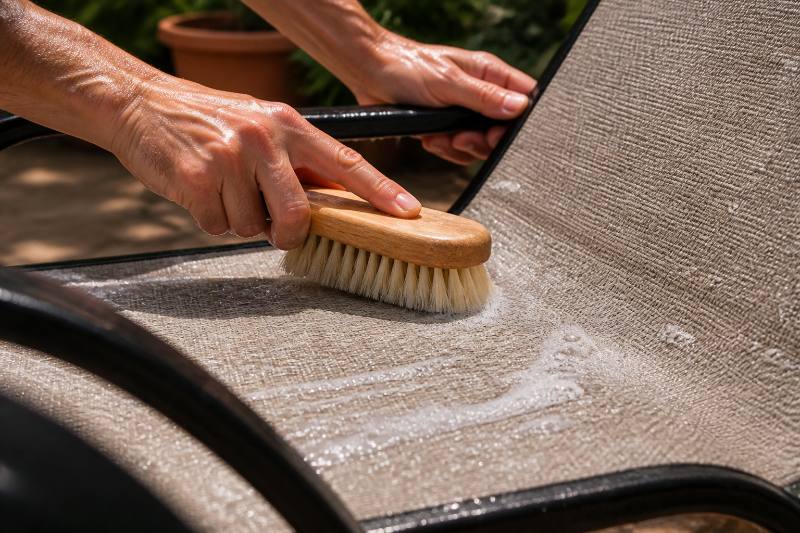
For sling and strap furniture, frequent, light cleaning is your first line of defense. This type of Patio Furniture Maintenance helps prevent the buildup of dirt and grime that can embed into the fabric or vinyl, making deeper cleaning more challenging later. A quick wipe-down can make a significant difference in preserving the material’s integrity and appearance.
Simple Daily Patio Furniture Maintenance Steps
After each use, especially if the furniture has been exposed to sweat, food spills, or sunscreen, give it a quick wipe. Use a soft, dry cloth to remove any loose debris or dust. For sling chairs, a gentle brush can help dislodge particles from the woven fabric. This simple habit prevents stains from setting and keeps surfaces looking fresh.
Weekly Patio Furniture Maintenance for Sling and Strap
Once a week, or more often during peak usage, perform a slightly more thorough cleaning. Mix a mild soap solution (such as dish soap and water). Dip a soft cloth or sponge into the solution and gently wipe down all sling fabric and vinyl straps. Pay close attention to crevices where dirt can accumulate.
Rinse the furniture thoroughly with a garden hose on a low-pressure setting. Ensure all soap residue is removed, as leftover soap can attract more dirt or lead to streaking. Allow the furniture to air dry completely in the sun to prevent water spots and mildew growth. This routine Patio Furniture Maintenance is essential for extending sling and strap life.
Tip 2: Deep Cleaning Strategies for Patio Furniture Maintenance
Beyond daily and weekly care, a deeper clean is necessary to tackle stubborn stains and environmental buildup. How often should I perform maintenance on outdoor patio furniture? Aim for a deeper clean quarterly, or at least twice a year (spring and fall), especially for high-traffic pieces or those exposed to significant weather. This intensive Patio Furniture Maintenance rejuvenates your furniture.
Cleaning All-Weather Wicker Patio Furniture
What is the best way to clean all-weather wicker patio furniture? Start by vacuuming or brushing off loose dirt and debris from the wicker weave. Then, use a soft cloth or sponge with a mild soap solution to wipe down the surfaces. For stubborn grime lodged in the weave, a soft-bristle brush (like an old toothbrush) can be very effective. Rinse thoroughly with a garden hose on a low setting and allow to air dry completely.
Avoid harsh chemicals that can damage the synthetic material.
Tackling Tough Stains on Sling and Strap Materials
For tougher stains on sling fabrics or vinyl straps, a specialized outdoor fabric cleaner may be necessary. Always test the product on an inconspicuous area first to ensure it doesn’t cause discoloration. Apply the cleaner, gently scrub with a soft brush, and rinse thoroughly. For mildew, a diluted bleach solution (1 part bleach to 10 parts water) can be used on colorfast fabrics, but always check manufacturer guidelines first. This level of Patio Furniture Maintenance is vital for preserving appearance.
Tip 3: Protecting Metal and Wood in Patio Furniture Maintenance
Different materials require specific protective measures to ensure their longevity. Metal and wood frames are common and each has unique vulnerabilities that proper Patio Furniture Maintenance can address.
Rust Prevention and Removal for Metal Frames
Metal frames, especially those made of steel or wrought iron, are susceptible to rust. How do you remove rust stains from metal patio furniture? For light rust, use a wire brush or steel wool to gently scrub the affected area. A paste of baking soda and water or lemon juice and salt can also help. Apply, let sit, then scrub and rinse. For heavier rust, a commercial rust remover may be needed. Always follow product instructions and wear protective gear.
After cleaning, apply a rust-inhibiting primer and paint to prevent recurrence. For aluminum frames, which are rust-resistant but can oxidize, a simple wash with mild soap and water, followed by a protective wax, is usually sufficient. Regular inspection for scratches or chips in the paint is a key part of effective Patio Furniture Maintenance.
Caring for Wooden Patio Furniture
What products are recommended for protecting wooden patio furniture? Wood furniture, such as teak, cedar, or eucalyptus, requires regular sealing or oiling to protect it from moisture and UV damage. Teak, known for its natural oils, can be left to weather to a silvery-gray patina, but annual cleaning and oiling will maintain its warm honey tone. Other woods benefit from sealants or stains with UV inhibitors.
Clean wooden furniture with mild soap and water, scrubbing with a soft brush along the grain. Rinse thoroughly and allow to dry completely before applying any protective oils or sealants. This annual treatment is a cornerstone of effective Patio Furniture Maintenance for wooden pieces, preventing cracking, warping, and fading.
Tip 4: Preventing Mildew and Caring for Cushions in Patio Furniture Maintenance
Outdoor cushions and fabrics are often the first to show signs of neglect, particularly mildew. Effective Patio Furniture Maintenance includes specific steps to keep these soft furnishings clean and fresh.
Preventing Mildew on Outdoor Patio Furniture Cushions
How to prevent mildew on outdoor patio furniture cushions? The best defense against mildew is to keep cushions dry. Bring them indoors during heavy rain or when not in use for extended periods. If they get wet, stand them on their sides to allow for maximum airflow and faster drying. Ensure your storage area is dry and well-ventilated. Regularly brush off loose dirt and debris, as mildew thrives on organic matter.
Safe Cleaning Solutions for Outdoor Fabric Cushions
Which cleaning solutions are safe for outdoor fabric cushions? For most outdoor fabrics, a solution of mild soap (like dish soap or laundry detergent) and warm water is effective. For tougher stains or mildew, a solution of one cup of borax per gallon of water can be used. Always check the manufacturer’s care instructions and test any new solution on a small, hidden area first to ensure no discoloration or damage. Rinse thoroughly and allow to air dry completely.
For more in-depth information on specific material care, especially for advanced outdoor fabrics, we recommend consulting resources from industry leaders. A great starting point for understanding advanced fabric care can be found here.
Tip 5: The Power of Patio Furniture Covers and Storage
Protective covers and proper storage are indispensable tools in your Patio Furniture Maintenance arsenal. They shield your furniture from the most damaging elements when not in use, significantly extending its lifespan.
Investing in Quality Waterproof Covers
Where can I buy waterproof covers for my patio furniture? High-quality waterproof covers are available at most home improvement stores, garden centers, and online retailers specializing in outdoor living. Look for covers made from durable, breathable materials that are UV-resistant and have features like elastic hems or tie-downs to secure them in windy conditions. Custom-fit covers offer the best protection, but universal sizes can also work effectively. Using covers is a simple yet powerful step in Patio Furniture Maintenance.
Storing Patio Furniture During Winter Months
How do I store patio furniture during the winter months? For regions with harsh winters, proper storage is paramount. Clean all furniture thoroughly before storing. Disassemble larger items if possible to save space. Store cushions indoors in a dry, climate-controlled environment to prevent mildew and pest damage. For frames, a shed, garage, or basement is ideal. If outdoor storage is unavoidable, use heavy-duty, waterproof covers and elevate furniture off the ground to prevent moisture accumulation.
This meticulous approach to Patio Furniture Maintenance ensures your furniture emerges ready for spring.
Tip 6: Avoiding Common Patio Furniture Maintenance Mistakes
While good intentions are admirable, certain cleaning practices can inadvertently harm your patio furniture. Being aware of these pitfalls is a crucial aspect of effective Patio Furniture Maintenance.
Mistakes to Steer Clear Of
What are the common mistakes to avoid when cleaning patio furniture? Firstly, avoid harsh chemicals like undiluted bleach or abrasive cleaners, which can strip finishes, fade fabrics, or corrode metals. Always test cleaning solutions on an inconspicuous area first. Secondly, do not use stiff brushes or abrasive pads on delicate materials like slings, straps, or wicker, as this can cause irreversible damage.
Another common error is neglecting to rinse thoroughly, leaving behind soap residue that attracts dirt and can cause streaking. Finally, avoid storing furniture while it’s still damp, as this creates a perfect breeding ground for mold and mildew. Proper drying is a non-negotiable step in successful Patio Furniture Maintenance.
The Pressure Washer Debate
Can I use a pressure washer to clean my patio furniture? Generally, using a pressure washer for Patio Furniture Maintenance is not recommended. While it might seem efficient, the high pressure can easily damage delicate materials such as woven wicker, sling fabrics, and even paint finishes on metal. It can also force water into crevices, leading to rust or mildew in areas that are hard to dry.
Opt for a gentle garden hose rinse and manual scrubbing for safer and more effective cleaning.
Tip 7: Seasonal Patio Furniture Maintenance Preparation
Preparing your patio furniture for the changing seasons is a proactive measure that ensures its longevity and readiness for enjoyment. This seasonal Patio Furniture Maintenance routine helps mitigate the impact of weather transitions.
Spring Patio Furniture Preparation
What steps are involved in spring patio furniture preparation? As winter ends, it’s time to bring your furniture out of storage or uncover it. Begin with a thorough cleaning of all surfaces, removing any accumulated dust, dirt, or mildew from storage. Inspect frames for rust or damage, tighten any loose bolts, and check slings and straps for signs of wear or tears. Re-oil wooden furniture or reapply sealants as needed.
This comprehensive spring Patio Furniture Maintenance readies your outdoor space for the warmer months.
Fall and Winterizing Steps
Before the colder months set in, give your furniture a final deep clean. Repair any minor damages to prevent them from worsening over winter. Apply protective treatments to wood and metal. Then, either cover your furniture with high-quality waterproof covers or move it into indoor storage, following the guidelines mentioned earlier. These steps are crucial for effective Patio Furniture Maintenance and protection against harsh winter conditions.
Tip 8: Understanding Cleaning vs. Sealing in Patio Furniture Maintenance
It’s important to differentiate between cleaning and sealing, as both are distinct but equally vital components of comprehensive Patio Furniture Maintenance. Each serves a different purpose in protecting your outdoor pieces.
The Difference Explained
What’s the difference between cleaning and sealing patio furniture? Cleaning involves removing dirt, grime, stains, and mildew from the surface of your furniture. It’s about maintaining hygiene and immediate appearance. Sealing, on the other hand, involves applying a protective barrier to the material, typically wood or certain metals, to guard against moisture, UV rays, and other environmental damage. Cleaning is a frequent activity, while sealing is usually an annual or bi-annual task.
For example, you clean your wooden table weekly, but you might seal it once a year. Both are essential for long-term preservation. Neglecting either aspect of Patio Furniture Maintenance will lead to accelerated deterioration of your furniture.
Restore Your Outdoor Oasis with Expert Patio Furniture Maintenance Solutions
Ensure your patio furniture stands the test of time with Chair Sling Store’s premium replacement slings, straps, and parts. We provide durable, high-quality components to rejuvenate your beloved outdoor pieces.
Tip 9: When to Seek Professional Patio Furniture Maintenance and Restoration
Sometimes, despite your best efforts, your patio furniture may require more than routine care. Knowing when to call in the experts for professional Patio Furniture Maintenance can save you time and money in the long run.
Signs It’s Time for Professional Help
Who offers professional patio furniture restoration services? If you notice significant structural damage, extensive rust that’s beyond surface-level, deep-seated stains that won’t budge, or severely degraded slings and straps, it might be time for professional intervention. Companies like Outdoor Oasis Restorations specialize in comprehensive restoration, offering services such as sandblasting, powder coating, sling and strap replacement, and welding repairs.
They have the expertise and equipment to bring heavily worn furniture back to life, often at a fraction of the cost of replacement.
Professional services ensure that repairs are done correctly and materials are restored to their optimal condition, providing a level of Patio Furniture Maintenance that DIY efforts cannot always match. This is especially true for intricate repairs or specialized finishes.
Tip 10: Finding Replacement Parts for Your Patio Furniture
Even with diligent Patio Furniture Maintenance, some components, particularly slings and straps, will eventually wear out. Fortunately, finding replacement parts is often straightforward, allowing you to extend the life of your furniture without buying entirely new pieces.
Where to Source Quality Replacement Components
Where can I find replacement parts for my patio furniture? Specialized retailers like Chair Sling Store offer a wide range of replacement components, including custom chair slings, replacement vinyl straps, end caps, feet glides, rivets, and other hardware for various patio furniture brands. You can often find parts tailored to specific dimensions and colors, ensuring a perfect match for your existing furniture.
Checking directly with the original furniture manufacturer or reputable online patio furniture parts suppliers is also a good option.
Replacing worn slings and straps is a cost-effective way to rejuvenate your furniture and is a key aspect of long-term Patio Furniture Maintenance. It not only restores functionality but also refreshes the aesthetic of your outdoor seating.

Conclusion: Mastering Patio Furniture Maintenance for Lasting Beauty
Mastering Patio Furniture Maintenance is an art and a science, ensuring your outdoor living space remains a source of comfort and beauty for years to come. By consistently applying these 10 powerful tips, from routine cleaning and seasonal preparation to smart storage and timely repairs, you actively protect your investment against the relentless elements. Remember that proactive care, tailored to specific materials like slings and straps, is the key to preventing premature wear and tear.
Embrace the habit of regular inspection and cleaning, and don’t hesitate to seek professional help or replace worn parts when necessary. With a dedicated approach to Patio Furniture Maintenance, your outdoor oasis will continue to provide a welcoming retreat, season after season, reflecting the care and attention you’ve invested in its longevity.
What is the best way to clean all-weather wicker patio furniture?
For all-weather wicker, a gentle approach is best. Start by vacuuming or brushing off loose dirt. Then, use a soft cloth or sponge with a mild soap solution (like dish soap and water) to wipe down the surfaces. Rinse thoroughly with a garden hose on a low setting, ensuring no soapy residue remains. Allow the furniture to air dry completely to prevent mildew. For stubborn grime, a soft-bristle brush can be used carefully.
How often should I perform maintenance on outdoor patio furniture?
Regular patio furniture maintenance is key to its longevity. Aim for light cleaning weekly or bi-weekly, especially during peak outdoor use seasons, to remove dust, pollen, and light debris. A deeper clean is recommended quarterly, or at least twice a year (spring and fall). For specific materials like wood, annual sealing or oiling might be necessary, and sling or strap inspections should be frequent.
Why is regular maintenance crucial for patio furniture longevity?
Regular patio furniture maintenance protects your investment by preventing premature wear and tear. It combats the damaging effects of UV rays, moisture, dirt, and pollutants, which can cause fading, cracking, rust, and mildew. By addressing minor issues promptly, you extend the lifespan of slings, straps, frames, and cushions, maintaining their appearance and structural integrity for many years.
How do you remove rust stains from metal patio furniture?
To remove rust stains from metal patio furniture, start by scrubbing the affected area with a wire brush or steel wool. For light rust, a paste of baking soda and water or lemon juice and salt can be effective. Apply, let sit for a few hours, then scrub and rinse. For heavier rust, consider using a commercial rust remover, always following product instructions carefully. Finish by cleaning and applying a rust-inhibiting primer and paint.
What are the common mistakes to avoid when cleaning patio furniture?
When undertaking patio furniture maintenance, avoid harsh chemicals like bleach (unless specifically recommended for mildew), abrasive scrubbers that can scratch surfaces, and high-pressure washers that can damage delicate materials like wicker, slings, or straps. Do not leave furniture to dry unevenly, as this can encourage water spots or mold. Always test cleaning solutions on an inconspicuous area first.
Can I use a pressure washer to clean my patio furniture?
Generally, using a pressure washer for patio furniture maintenance is not recommended. While it might seem efficient, the high pressure can damage the integrity of many outdoor furniture materials, including weaving, sling fabrics, and paint finishes. It can also force water into crevices, leading to rust or mildew. Opt for a gentle garden hose rinse and manual scrubbing for safer cleaning.
Which cleaning solutions are safe for outdoor fabric cushions?
For outdoor fabric cushions, mild soap (like dish soap or laundry detergent) mixed with warm water is generally safe and effective. For tougher stains or mildew, a solution of one cup of borax per gallon of water, or specialized outdoor fabric cleaners, can be used. Always check the manufacturer’s care instructions and test any new solution on a small, hidden area first to ensure no discoloration or damage occurs.
Where can I find replacement parts for my patio furniture?
You can find replacement parts for your patio furniture at specialized retailers like Chair Sling Store. They offer a wide range of components including custom chair slings, replacement vinyl straps, end caps, feet glides, rivets, and other hardware for various patio furniture brands. Checking directly with the original furniture manufacturer or reputable online patio furniture parts suppliers is also a good option.