
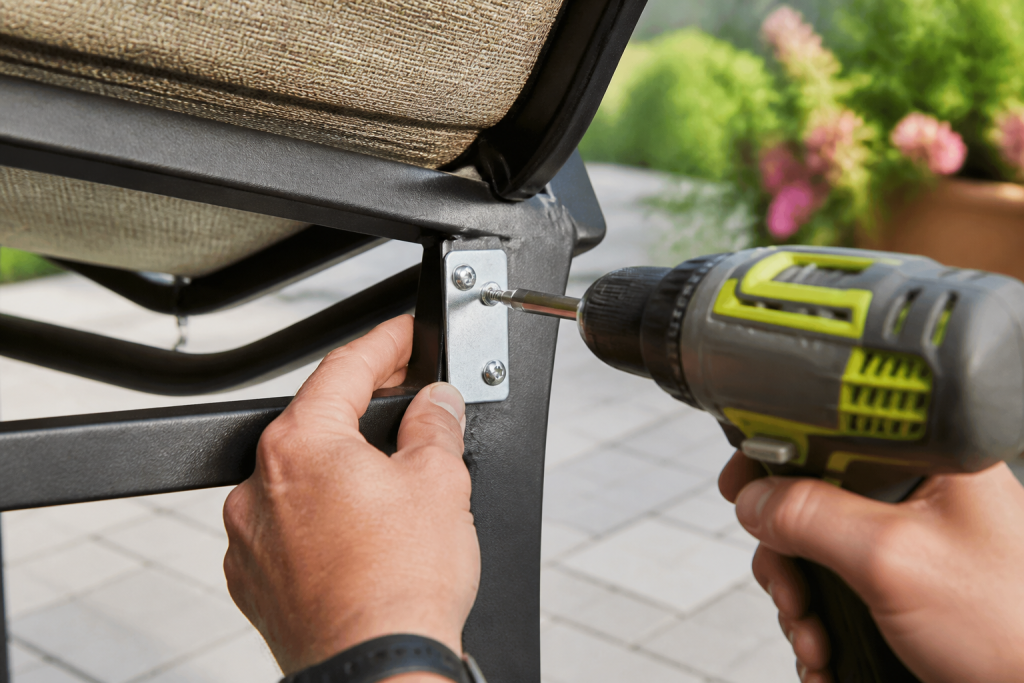
Patio Furniture Bracket Reinforcement: 7 Ultimate Steps for Unshakeable Stability
Patio Furniture Bracket Reinforcement is a crucial step for maintaining the integrity and longevity of your outdoor living spaces. Over time, exposure to the elements and regular use can weaken the structural components of even the most robust patio pieces. Addressing these vulnerabilities proactively ensures your furniture remains safe, stable, and aesthetically pleasing for many seasons to come.
This comprehensive guide will walk you through the ultimate steps to achieve unshakeable stability for your outdoor chairs, tables, and lounges. We’ll cover everything from identifying common issues to selecting the right materials and executing effective reinforcement techniques. By the end, you’ll have the knowledge to confidently undertake any patio furniture bracket reinforcement project.
Key Takeaways for Patio Furniture Bracket Reinforcement
- Understand the primary causes of bracket failure to prevent future damage and ensure effective Patio Furniture Bracket Reinforcement.
- Discover the essential tools and materials, including corrosion-resistant fasteners, needed for a successful DIY reinforcement project.
- Learn a 7-step process for reinforcing existing brackets, from assessment to protective coatings, ensuring lasting stability.
- Explore advanced techniques, such as reinforcing plastic brackets with metal components, to tackle specific challenges in Patio Furniture Bracket Reinforcement.
- Identify reliable sources for purchasing heavy-duty replacement brackets and professional services when DIY isn’t enough.
Understanding Patio Furniture Bracket Reinforcement: Why It Matters
The structural integrity of your outdoor furniture largely depends on its brackets. These small but mighty components bear the brunt of weight, movement, and environmental stress. Effective Patio Furniture Bracket Reinforcement is not just about fixing a broken piece; it’s about extending the lifespan of your investment and ensuring the safety of everyone who uses it.
Ignoring weakened brackets can lead to catastrophic failures, turning a relaxing moment into a hazardous one. By understanding the common causes of bracket failure and the importance of timely reinforcement, you can protect your furniture and your family.
Common Causes of Patio Furniture Bracket Failure
Patio furniture brackets face a relentless assault from various factors. The primary culprits include harsh weather exposure, such as intense UV radiation, heavy rain, and fluctuating humidity. These conditions accelerate rust and corrosion in metal components and degrade plastic materials over time.
Frequent heavy use also contributes significantly to material fatigue, especially in high-stress areas like chair legs and armrests. Improper initial assembly, where fasteners might not be adequately tightened or aligned, can create weak points from the start. Additionally, accidental impacts or dragging furniture across rough surfaces can cause immediate damage or exacerbate existing weaknesses, making Patio Furniture Bracket Reinforcement a necessity.
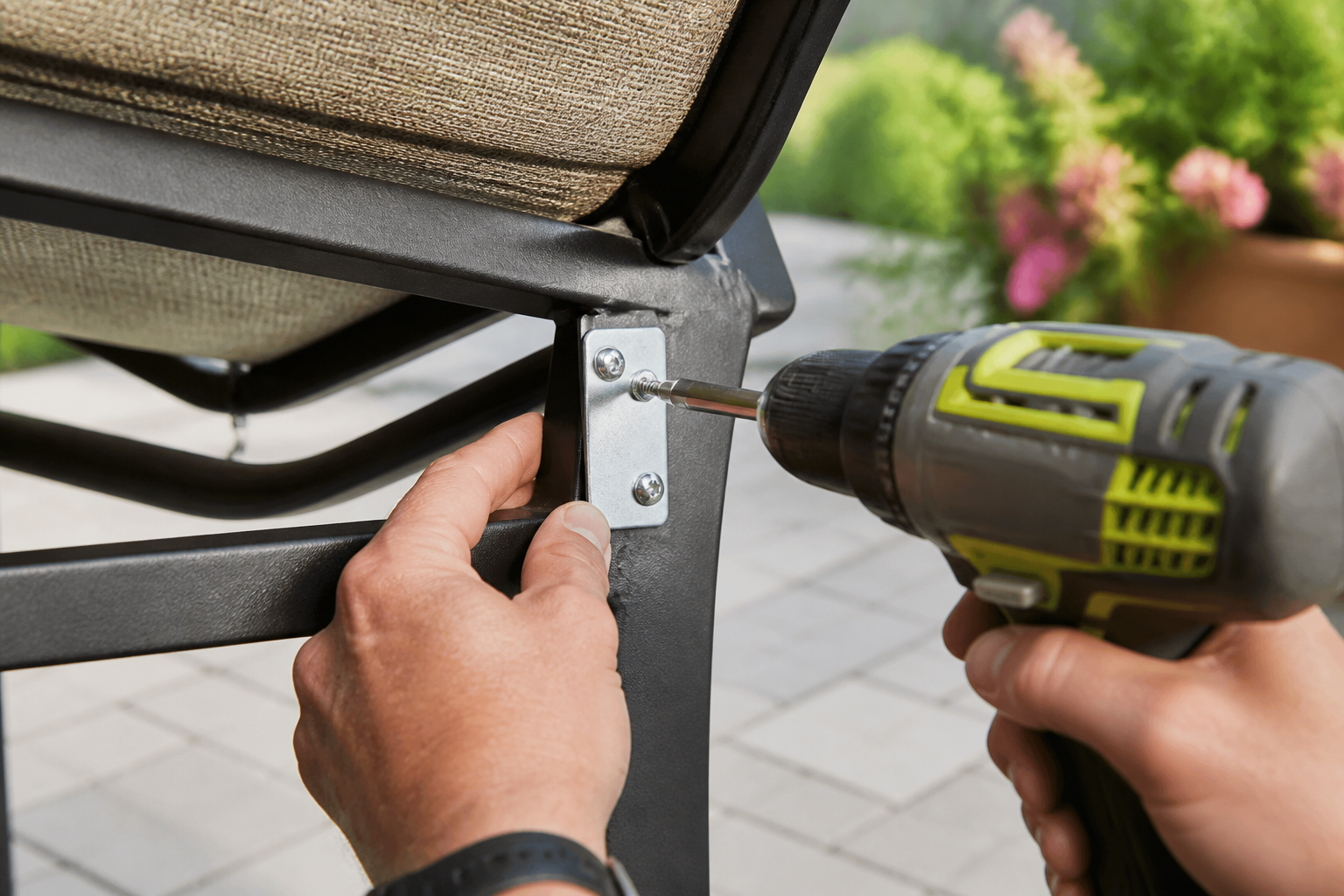
Essential Tools for Your Patio Furniture Bracket Reinforcement Project
Before diving into any DIY project, having the right tools is paramount. For Patio Furniture Bracket Reinforcement, a well-stocked toolbox will make the job smoother, safer, and more effective. Many of these tools are common household items, while others might be worth investing in for serious outdoor furniture enthusiasts.
Gathering your tools beforehand saves time and prevents interruptions during the reinforcement process. This preparation is a key part of successful patio furniture bracket reinforcement.
Gathering Your DIY Patio Furniture Bracket Reinforcement Kit
For a typical DIY Patio Furniture Bracket Reinforcement project, you will generally need a drill with appropriate bits for metal or plastic, screwdrivers (Phillips and flathead), and a set of wrenches or a socket set. A measuring tape and a marker are essential for precise measurements and marking drill points.
Safety glasses are crucial for eye protection, especially when drilling or cutting. Depending on the material of your furniture and brackets, you might also need a metal file or grinder for custom fitting, or a hacksaw for cutting metal plates. Clamps can be incredibly useful for holding components securely in place while you work, ensuring accurate and stable reinforcement.
Selecting the Right Materials for Patio Furniture Bracket Reinforcement
The success and longevity of your Patio Furniture Bracket Reinforcement largely depend on the materials you choose. Outdoor environments demand materials that can withstand moisture, temperature fluctuations, and UV exposure without corroding, degrading, or losing strength. Selecting the correct materials is a critical step in ensuring durable repairs.
Prioritizing weather-resistant and strong components will prevent you from having to repeat the reinforcement process too soon. This careful selection is a cornerstone of effective patio furniture bracket reinforcement.
Best Materials for Outdoor Patio Furniture Bracket Reinforcement
For superior corrosion resistance and strength, stainless steel (specifically 304 or 316 grade) is highly recommended for outdoor Patio Furniture Bracket Reinforcement. Stainless steel is ideal for its durability against the elements. Aluminum is a good lightweight alternative, especially for less heavy-duty applications, offering good corrosion resistance but less strength than steel.
Galvanized steel also provides decent protection, but always prioritize powder-coated or marine-grade options for maximum durability. For plastic furniture, consider using lightweight aluminum or stainless steel components that won’t add excessive weight or stress. You can find more information on material properties from reputable sources like ASTM International.
Choosing the Right Fasteners for Patio Furniture Bracket Reinforcement
The fasteners you use are just as important as the brackets themselves. Always opt for corrosion-resistant fasteners such as stainless steel screws, bolts, and nuts. For heavier loads, bolts with washers and lock nuts provide superior holding power compared to screws alone. Ensure the length of your fasteners is appropriate—long enough to pass through all layers but not so long that they create a hazard.
When working with different materials, such as attaching metal to wood or plastic, use fasteners designed for that specific application. For instance, self-tapping screws can be useful for metal, while machine screws with nuts are better for through-hole applications. Using the correct fasteners is vital for effective Patio Furniture Bracket Reinforcement.
Enhance Your Patio Furniture Bracket Reinforcement with Chair Sling Store
Ensure the lasting stability and safety of your outdoor furniture with premium quality replacement parts and expert advice from Chair Sling Store, serving Coral Springs, FL.
7 Ultimate Steps for Patio Furniture Bracket Reinforcement
Now that you understand the importance of reinforcement and have gathered your tools and materials, it’s time to get hands-on. This 7-step guide provides a clear, actionable path to successful Patio Furniture Bracket Reinforcement, ensuring your outdoor pieces are stable and secure.
Each step is designed to be straightforward, allowing DIY enthusiasts to achieve professional-level results. Follow these instructions carefully for optimal patio furniture bracket reinforcement.
Step 1: Assess the Damage for Patio Furniture Bracket Reinforcement
Begin by thoroughly inspecting your patio furniture. Identify all areas where brackets are loose, bent, cracked, or missing. Pay close attention to joints, legs, and armrests. Understanding the extent and nature of the damage is crucial for planning your Patio Furniture Bracket Reinforcement strategy. Take photos for reference and make notes of specific issues.
Step 2: Clean and Prepare for Patio Furniture Bracket Reinforcement
Before any repair, clean the affected area thoroughly. Remove any dirt, rust, old paint, or debris. For metal, use a wire brush or sandpaper to remove rust. For plastic, a mild soap and water solution will suffice. A clean surface ensures better adhesion for any adhesives or protective coatings and allows for precise placement of new components during Patio Furniture Bracket Reinforcement.
Step 3: Choose Your Reinforcement Method for Patio Furniture Bracket Reinforcement
Based on your assessment, decide on the best reinforcement approach. This might involve adding supplementary metal plates (like mending plates or corner braces), replacing existing brackets with heavy-duty alternatives, or fabricating custom supports. Consider the material of your furniture and the type of stress the bracket endures. This decision is central to effective Patio Furniture Bracket Reinforcement.
Step 4: Secure New Brackets or Plates for Patio Furniture Bracket Reinforcement
Carefully position your chosen reinforcement components. Drill pilot holes if necessary, ensuring they are slightly smaller than your screws to create a tight fit. Use corrosion-resistant fasteners (stainless steel bolts, screws, and nuts) to secure the new brackets or plates firmly. Ensure all connections are tight but avoid over-tightening, which can strip threads or crack materials. Proper fastening is key to robust Patio Furniture Bracket Reinforcement.
Step 5: Apply Protective Coatings for Patio Furniture Bracket Reinforcement
Once the reinforcement is complete, apply a protective coating to all new metal components and any exposed areas. A rust-inhibiting primer followed by an outdoor-grade paint or a clear sealant will protect against future corrosion and weather damage. For plastic, a UV-resistant sealant can help prevent degradation. This step significantly extends the life of your Patio Furniture Bracket Reinforcement.
Step 6: Test Stability After Patio Furniture Bracket Reinforcement
After the coatings have dried, gently test the stability of the reinforced furniture. Apply light pressure, then gradually increase it, checking for any wobbling, creaking, or signs of weakness. Ensure all joints feel solid and secure. If any instability remains, re-examine the area and make further adjustments or additions to your Patio Furniture Bracket Reinforcement.
Step 7: Regular Maintenance for Lasting Patio Furniture Bracket Reinforcement
To ensure your reinforced furniture remains stable, incorporate regular maintenance into your routine. Periodically inspect all brackets and fasteners for signs of wear, rust, or loosening. Re-tighten screws and bolts as needed, and reapply protective coatings every few years. Proactive maintenance is the best way to preserve your Patio Furniture Bracket Reinforcement and the overall condition of your outdoor pieces.
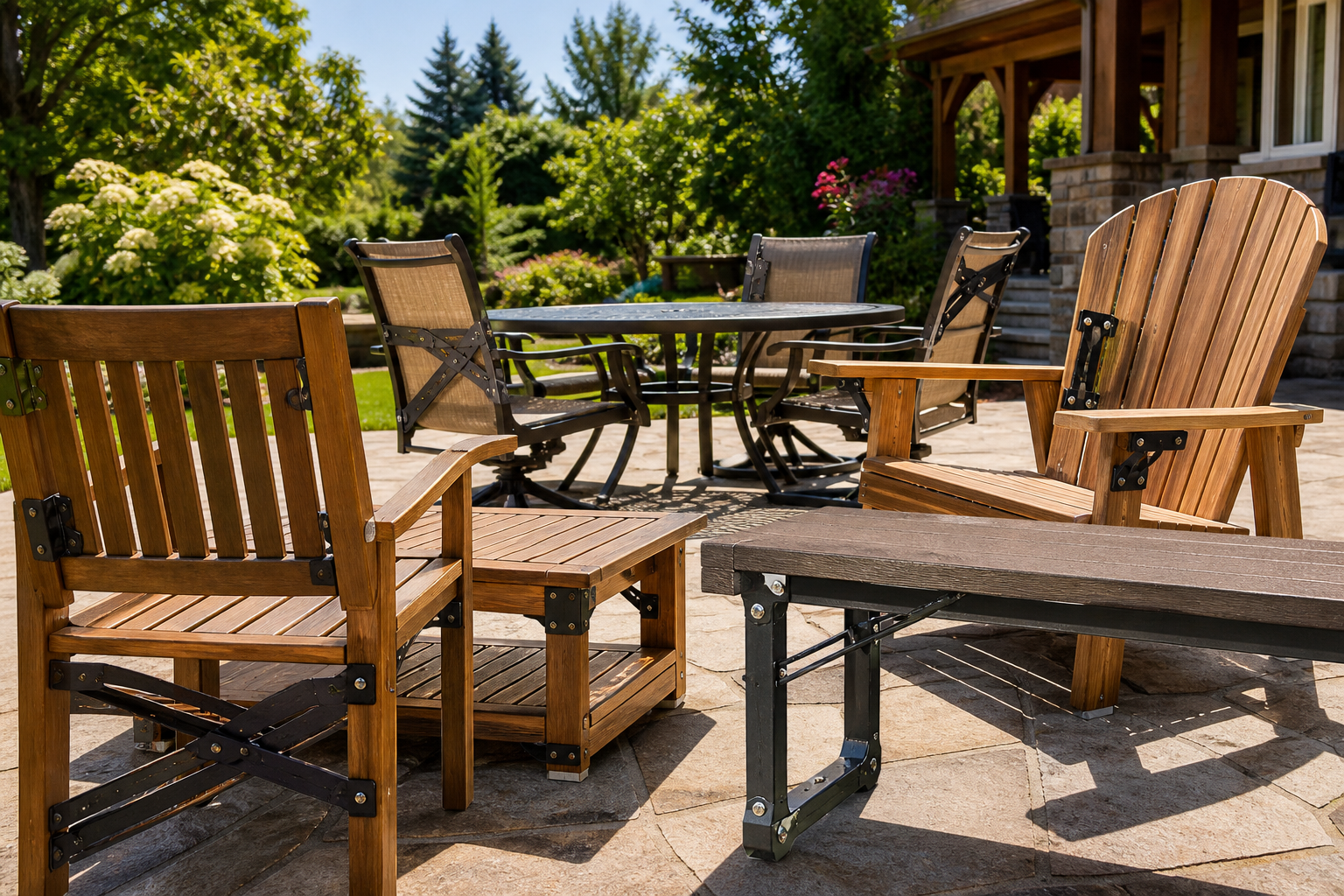
Advanced Techniques in Patio Furniture Bracket Reinforcement
While the basic steps cover most common repairs, some situations call for more specialized approaches. Understanding advanced techniques can help you tackle unique challenges and provide even greater stability for your outdoor furniture. These methods are particularly useful for specific materials or high-stress areas, enhancing your overall Patio Furniture Bracket Reinforcement capabilities.
From plastic components to specialized structural points, these techniques offer tailored solutions for complex problems.
Reinforcing Plastic Patio Chair Brackets with Metal Components
Plastic patio chair brackets are notoriously prone to cracking and breaking. They can often be effectively reinforced using metal components. Common methods include encasing the plastic joint within a custom-fitted metal sleeve, attaching small metal mending plates, or utilizing through-bolts with washers and nuts to better distribute stress. It is essential to choose lightweight, corrosion-resistant metal for these reinforcements, such as aluminum or stainless steel. This approach significantly boosts the durability of plastic Patio Furniture Bracket Reinforcement.
Specialized Brackets for Patio Furniture Bracket Reinforcement
For specific parts like patio chair legs, arms, or table supports, specialized brackets can offer targeted reinforcement. These might include L-brackets, T-plates, or custom-bent metal pieces designed to fit unique angles or curves. Some manufacturers offer replacement parts that are exact matches for their furniture lines, which can simplify the process. When custom solutions are needed, consider consulting with a metal fabricator for bespoke components that perfectly address the structural needs of your Patio Furniture Bracket Reinforcement.
Preventing Future Damage to Patio Furniture Brackets
Once you’ve invested time and effort into Patio Furniture Bracket Reinforcement, the next logical step is to implement strategies to prevent future damage. Proactive measures can significantly extend the life of your repairs and the furniture itself, saving you from repeated maintenance or costly replacements.
A little foresight and ongoing care can make a big difference in maintaining the integrity of your outdoor pieces.
Proactive Measures for Patio Furniture Bracket Reinforcement
To prevent future bracket damage, consider several key strategies. Firstly, store furniture in a sheltered area or cover it with weather-resistant covers during harsh weather seasons. This reduces exposure to UV rays, rain, and extreme temperatures. Secondly, avoid overloading furniture beyond its recommended weight capacity. Thirdly, when moving furniture, lift it rather than dragging it to prevent undue stress on the joints and brackets.
Regular cleaning and inspection can also catch minor issues before they escalate. Applying a protective wax or sealant to metal components annually can create an additional barrier against corrosion, enhancing the long-term effectiveness of your Patio Furniture Bracket Reinforcement.
Sourcing Quality Patio Furniture Bracket Reinforcement Solutions
Finding the right parts and expertise is crucial for effective Patio Furniture Bracket Reinforcement. Whether you’re looking for DIY components or considering professional assistance, knowing where to turn can make all the difference in the quality and longevity of your repairs.
From specialized retailers to local experts, several options are available to help you achieve robust reinforcement.
Where to Buy Heavy-Duty Patio Furniture Bracket Reinforcement Parts
You can find heavy-duty replacement brackets for patio furniture at specialized retailers like Chair Sling Store, which offers a variety of replacement parts suitable for outdoor use. Additionally, online hardware stores, local outdoor furniture repair shops, and major home improvement stores may carry suitable options. Always measure your existing brackets precisely to ensure proper fit and compatibility before purchasing.
Look for brands known for durable and weather-resistant solutions, prioritizing stainless steel or marine-grade aluminum components for the best performance in outdoor conditions. While universal reinforcement kits exist, they often require adaptation, so custom-fit or specific replacement parts are usually superior for optimal Patio Furniture Bracket Reinforcement.
Considering Professional Patio Furniture Bracket Reinforcement
For extensive damage, complex designs, or if you simply prefer expert handling, professional patio furniture reinforcement is an excellent option. The cost to reinforce patio furniture professionally can vary widely depending on the type of furniture, the extent of the damage, and the materials required. Typically, you might expect to pay anywhere from $50 to $200 per piece for minor repairs, while more extensive restoration could run into several hundred dollars.
Professionals often have access to specialized tools and materials, ensuring a high-quality, long-lasting repair that might be difficult to achieve with DIY methods. They can also advise on the strongest reinforcement brackets for outdoor chairs and tables, providing peace of mind for your Patio Furniture Bracket Reinforcement needs.
What are the common causes of patio furniture bracket failure?
Patio furniture brackets commonly fail due to harsh weather exposure like UV radiation, rain, and humidity, which lead to rust and corrosion. Frequent heavy use, material fatigue (especially in plastic or thin metal components), improper initial assembly, and accidental impact damage also contribute significantly to their degradation over time.
How can I effectively reinforce existing patio furniture brackets?
To effectively reinforce existing metal brackets, consider adding supplementary metal plates such as mending plates or corner braces. Secure these with corrosion-resistant fasteners like stainless steel screws, bolts, and nuts. For plastic brackets, metal sleeves or custom-fabricated metal supports can be employed to strengthen weak points, ensuring all new components are weather-resistant.
What materials are best suited for outdoor patio furniture bracket reinforcement?
Stainless steel (specifically 304 or 316 grade) is highly recommended for its superior corrosion resistance and strength, making it ideal for outdoor use. Aluminum is a good lightweight alternative, especially for less heavy-duty applications. Galvanized steel also offers decent protection, but always prioritize powder-coated or marine-grade options for maximum durability against the elements.
Where can I buy heavy-duty replacement brackets for patio furniture?
You can find heavy-duty replacement brackets for patio furniture at specialized retailers like Chair Sling Store, which offers a variety of replacement parts. Additionally, online hardware stores, local outdoor furniture repair shops, and major home improvement stores may carry suitable options. Always measure your existing brackets precisely to ensure proper fit and compatibility before purchasing.
What tools are needed for a DIY patio furniture bracket reinforcement project?
For a typical DIY patio furniture bracket reinforcement project, you will generally need a drill with appropriate bits for metal or plastic, screwdrivers, wrenches, a measuring tape, and a marker. Safety glasses are crucial for eye protection, and a metal file or grinder might be necessary for custom fitting. Clamps can also be very useful for holding components securely during installation.
Why is reinforcing patio furniture brackets important for longevity?
Reinforcing patio furniture brackets is crucial for extending the longevity of your outdoor pieces. It prevents premature structural failures, which can lead to expensive repairs or the need for full furniture replacement. Furthermore, reinforcement enhances the safety and stability of the furniture, ensuring it remains sturdy and functional for many seasons to come.
Can plastic patio chair brackets be reinforced with metal components?
Yes, plastic patio chair brackets can often be effectively reinforced using metal components. Common methods include encasing the plastic joint within a custom-fitted metal sleeve, attaching small metal mending plates, or utilizing through-bolts with washers and nuts to better distribute stress. It is essential to choose lightweight, corrosion-resistant metal for these reinforcements.
Conclusion: The Ultimate Stability with Patio Furniture Bracket Reinforcement
Investing in proper Patio Furniture Bracket Reinforcement is an investment in the longevity, safety, and enjoyment of your outdoor living space. By understanding the common causes of bracket failure, equipping yourself with the right tools and materials, and following our 7 ultimate steps, you can transform wobbly, worn-out pieces into stable, reliable fixtures.
Remember that proactive maintenance and thoughtful material selection are key to preventing future damage and maximizing the lifespan of your reinforced furniture. Whether you choose a DIY approach or opt for professional assistance, prioritizing the structural integrity of your patio furniture ensures years of comfortable and secure outdoor enjoyment. Embrace these strategies, and your outdoor oasis will remain a haven of unshakeable stability.