
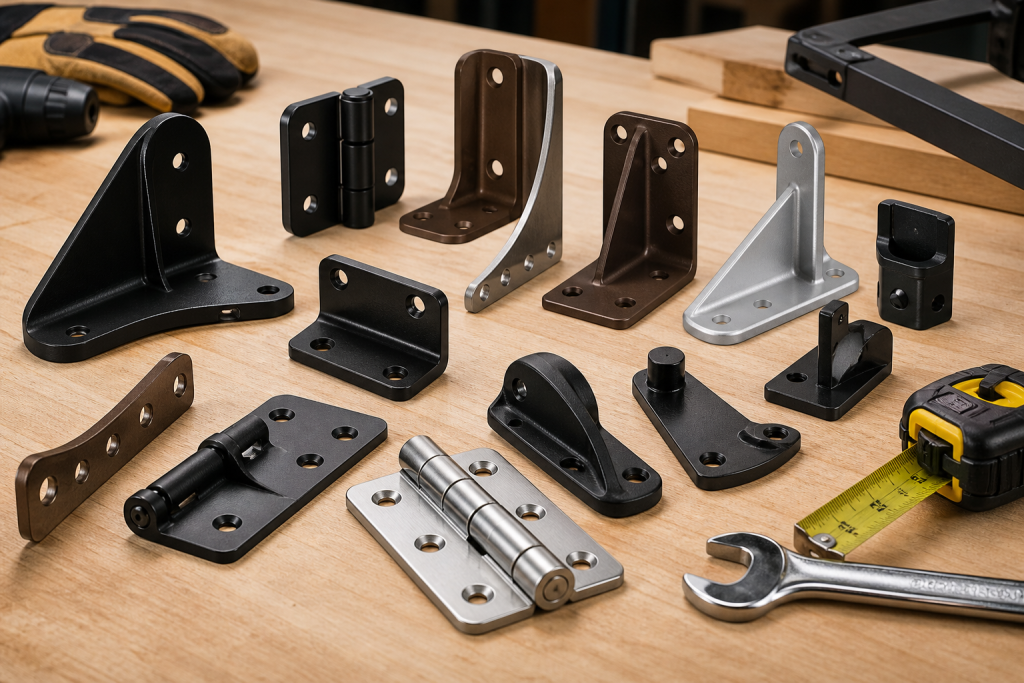
The comfort and safety of your outdoor seating depend significantly on the integrity of its components. Often overlooked, but critically important, are the Outdoor Chair Brackets. These small yet mighty pieces of hardware are the unsung heroes that provide the structural support, stability, and longevity your patio furniture needs to withstand the elements and years of use. When these brackets begin to fail, your chairs can become wobbly, unsafe, and ultimately unusable, diminishing your outdoor enjoyment.
In this comprehensive guide, we will delve into the world of outdoor chair brackets, exploring their essential role in maintaining the stability of your beloved patio furniture. We’ll uncover common issues, discuss identification and sourcing of replacements, and present 5 proven fixes to restore unbeatable stability. From understanding materials to exploring customization, this article will equip you with the knowledge to keep your outdoor chairs robust and reliable.
Key Takeaways
- Discover the critical role of Outdoor Chair Brackets in ensuring the stability and safety of your patio furniture.
- Learn how to accurately identify and source the correct replacement Outdoor Chair Brackets for various chair types.
- Explore 5 proven strategies, from reinforcement to material upgrades, to achieve unbeatable stability for your outdoor chairs.
- Understand the different materials, styles, and cost considerations associated with high-quality Outdoor Chair Brackets.
Understanding Outdoor Chair Brackets for Lasting Stability
Outdoor chair brackets are more than just simple connectors; they are fundamental structural elements that bear weight, manage stress, and facilitate movement in various types of patio furniture. From the pivot points of a reclining chair to the corner supports of a sturdy dining chair, these brackets ensure that your outdoor seating remains safe, comfortable, and functional. Their design and material are crucial for enduring the rigors of outdoor environments.
Without robust outdoor chair brackets, even the most aesthetically pleasing furniture can quickly become a hazard. A wobbly chair not only compromises comfort but also poses a significant safety risk. Understanding the composition and common failure points of these essential components is the first step towards effective maintenance and repair, ensuring your outdoor living space remains inviting and secure.
Common Materials for Outdoor Chair Brackets
Outdoor chair brackets are typically manufactured from materials chosen for their durability and resistance to environmental factors. The most common options include extruded aluminum, stainless steel, and high-grade plastic polymers. Aluminum is highly favored for its lightweight nature and excellent corrosion resistance, making it ideal for coastal or humid climates where rust is a major concern for metal outdoor chair brackets.
Stainless steel offers superior strength and exceptional rust protection, especially marine-grade variants like 316L, which are perfect for high-stress applications. High-grade plastic polymers, often reinforced with fiberglass, provide flexibility, UV resistance, and are particularly useful in designs where metal might corrode or where a lighter component is preferred. Each material has specific advantages for different types of outdoor chair brackets.
Why Outdoor Chair Brackets Rust or Corrode
The primary reason outdoor chair brackets rust or corrode is prolonged exposure to moisture, humidity, and various environmental aggressors. Metals like steel, if not properly treated or if they are not stainless steel, are highly susceptible to oxidation, commonly known as rust. This process weakens the metal, leading to structural failure of the outdoor chair brackets over time.
Even aluminum, while more corrosion-resistant than standard steel, can undergo a process called oxidation, forming a white, powdery layer. This layer is usually protective but can become unsightly or compromise the bracket’s integrity if left unchecked. Saltwater environments, acid rain, and even certain cleaning chemicals can accelerate the degradation of outdoor chair brackets, highlighting the importance of material selection and regular maintenance.
Identifying and Sourcing Replacement Outdoor Chair Brackets
When an outdoor chair bracket fails, the immediate challenge is finding a suitable replacement. This process requires careful attention to detail to ensure the new component perfectly matches the original in terms of fit, function, and material. A mismatched bracket can lead to continued instability or even damage to the chair frame, emphasizing the need for precision when dealing with outdoor chair brackets.
Accurate identification is paramount for a successful repair. Many outdoor chair brackets are specific to certain furniture models or manufacturers, making a generic approach often insufficient. Taking the time to properly assess the damaged part will save you frustration and ensure your repair efforts result in a stable and safe outdoor chair.
How to Identify the Correct Replacement Outdoor Chair Bracket
Identifying the correct replacement outdoor chair bracket involves a meticulous examination of the existing part. Begin by carefully measuring all dimensions of the damaged bracket, including its length, width, thickness, and the precise spacing between any mounting holes. Note any unique angles, curves, or specific design features that might be critical for its function.
Taking clear, well-lit photographs from multiple angles can be incredibly helpful when communicating with suppliers. Look for any manufacturer markings, part numbers, or model identifiers stamped on the old outdoor chair brackets or the chair frame itself. If available, consult your chair’s original manual or the manufacturer’s website for part diagrams. When in doubt, a specialized parts supplier like Chair Sling Store can often assist with identification based on your measurements and photos.
Where to Purchase Individual Outdoor Chair Brackets Online
Individual outdoor chair brackets can be conveniently purchased online from several types of retailers. Specialized patio furniture parts suppliers, such as Chair Sling Store, often carry a wide inventory of replacement components designed to fit numerous common outdoor chair models. These stores typically have expert staff who can help you find the exact outdoor chair brackets you need.
General hardware e-commerce sites may also offer a selection of universal or common outdoor chair brackets, though finding highly specific parts might be more challenging. Additionally, some outdoor furniture manufacturers sell replacement parts directly through their websites. Always ensure the retailer provides detailed product descriptions and dimensions to confirm compatibility before making a purchase of new outdoor chair brackets.
Finding Installation Guides for Outdoor Chair Brackets
Once you have acquired the correct replacement outdoor chair brackets, the next step is installation. Fortunately, resources for installation guides are readily available. The best place to start is often the manufacturer’s website for your specific chair model. Many manufacturers provide detailed assembly instructions or repair guides that include step-by-step visuals for replacing outdoor chair brackets.
For more generic outdoor chair brackets or if manufacturer guides are unavailable, online video tutorials on platforms like YouTube can be incredibly helpful. Search for guides related to
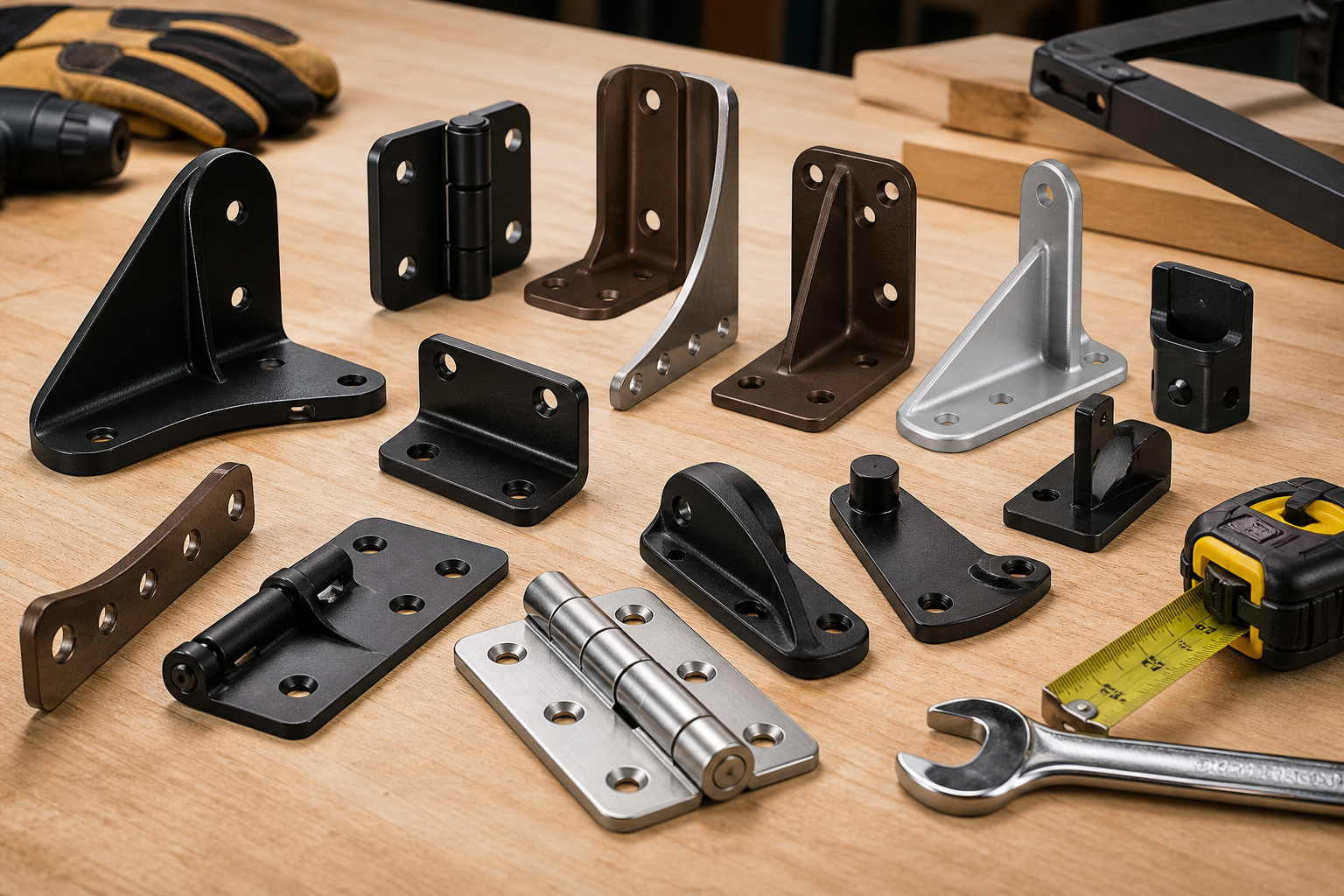
Enhance Your Outdoor Chair Stability with Chair Sling Store Brackets
Ensure your patio chairs are safe and sound with our premium selection of outdoor chair brackets and repair parts, built for lasting durability and performance.
What are outdoor chair brackets typically made from?
Outdoor chair brackets are commonly made from durable, weather-resistant materials such as extruded aluminum, stainless steel, or high-grade plastic polymers. Aluminum is lightweight and corrosion-resistant, stainless steel offers superior strength and rust protection, while specialized plastics provide flexibility and UV resistance, often reinforced for structural integrity.
How do I identify the correct replacement bracket for my outdoor chair?
To identify the correct replacement outdoor chair bracket, carefully measure the dimensions of the existing bracket, noting its length, width, hole spacing, and any unique angles or curves. Take photos from multiple angles. Check for manufacturer markings or part numbers on the old bracket. Consult your chair’s manual or the manufacturer’s website, or contact a specialized parts supplier like Chair Sling Store with your measurements and photos for assistance.
Where can I purchase individual outdoor chair brackets online?
Individual outdoor chair brackets can be purchased online from specialized patio furniture parts retailers, general hardware e-commerce sites, or directly from specific furniture manufacturers. Chair Sling Store offers a variety of replacement parts, including brackets, designed to fit many common outdoor chair models, ensuring you find the right component for your repair needs.
Why do outdoor chair brackets rust or corrode?
Outdoor chair brackets rust or corrode primarily due to exposure to moisture, humidity, saltwater, and harsh weather conditions. Metals like steel, if not adequately coated or made of stainless steel, are susceptible to oxidation (rust). Aluminum can also corrode, though typically it forms a protective oxide layer. Using the correct material for your environment is key to preventing premature failure.
What different styles of outdoor chair brackets exist for various chair types?
Outdoor chair brackets come in various styles to suit different chair types. Common styles include pivot brackets for reclining chairs, leg brackets for structural support, armrest brackets, and specialized hinge brackets for folding or swivel chairs. There are also corner brackets, L-shaped brackets, and T-shaped brackets designed for specific points of stress or connection in the chair frame.
Are universal outdoor chair leg brackets truly versatile?
Universal outdoor chair leg brackets can offer some versatility for minor repairs or custom builds, but they are not always a perfect fit for every chair. Their design often accommodates a range of sizes and attachment methods, but may require drilling new holes or minor modifications. For optimal stability and safety, it’s often best to find a bracket specifically designed for your chair model or a close match.
Who sells durable outdoor chair hinge brackets?
Durable outdoor chair hinge brackets are sold by specialized patio furniture repair part suppliers, major hardware stores with extensive outdoor living sections, and directly by high-quality outdoor furniture manufacturers. Chair Sling Store is a reliable source for durable outdoor chair hinge brackets and other robust replacement parts designed for longevity and performance.
How much should I expect to pay for a set of outdoor chair brackets?
The cost of a set of outdoor chair brackets can vary widely, typically ranging from $10 to $50 or more, depending on the material, complexity of design, manufacturer, and whether they are brand-specific. High-quality aluminum or stainless steel brackets will generally be more expensive than plastic ones. Specialty or custom brackets may also cost more.
Can outdoor chair brackets be custom-made?
Yes, outdoor chair brackets can be custom-made, especially for vintage or uniquely designed patio furniture where original parts are no longer available. This usually involves working with a metal fabricator or a specialized furniture repair shop. While more expensive, custom fabrication ensures a perfect fit and can restore the chair’s original integrity and appearance.
What are the strongest materials for outdoor chair brackets in high-stress areas?
For high-stress areas in outdoor chair brackets, the strongest materials are typically marine-grade stainless steel (316L) and heavy-gauge extruded aluminum. Stainless steel offers exceptional tensile strength and corrosion resistance, ideal for humid or coastal environments. Heavy-gauge aluminum provides a strong yet lighter alternative, often reinforced to withstand significant load and movement.
Learn more from authoritative resources: Consumer Reports and HGTV.