
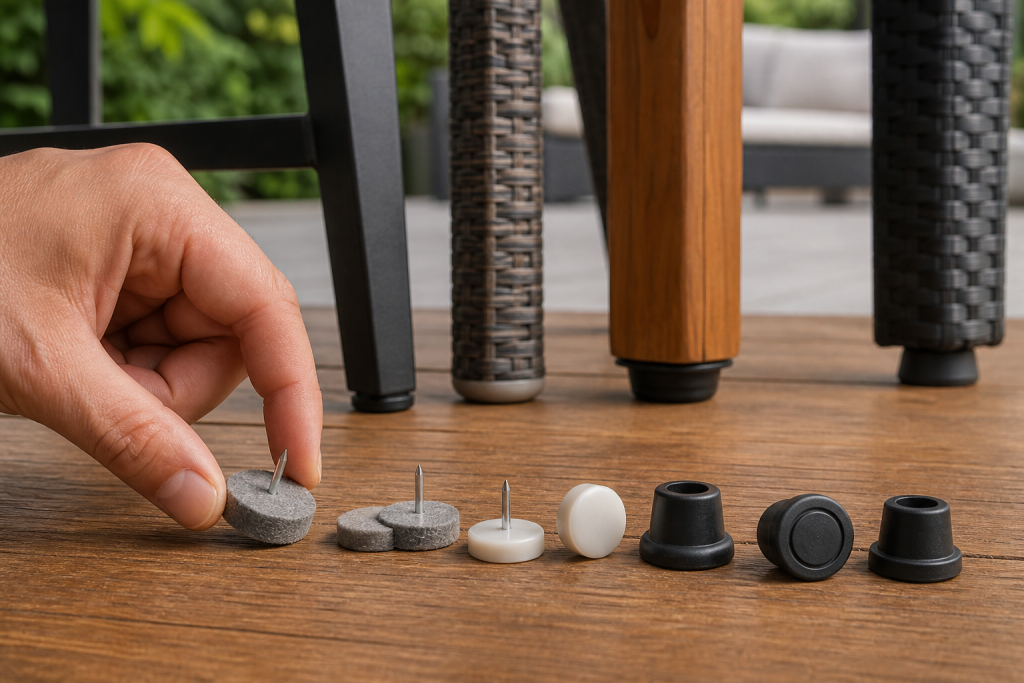
The longevity and pristine condition of your outdoor living spaces hinge on often-overlooked details. Among these, the humble furniture feet glides play a pivotal role in protecting your patio, deck, and even indoor floors from unsightly scratches and wear. To Identify Feet Glides correctly is not just about replacing a worn part; it’s about safeguarding your investment in quality furniture and maintaining the beauty of your home’s surfaces.
In this comprehensive guide, we will explore the essential aspects of these small yet mighty protectors. We’ll demystify how to accurately assess your current glides, understand the best materials for various surfaces, and provide actionable steps to ensure your furniture stands firm without causing damage. Consider this your definitive resource for mastering furniture glide identification and achieving perfect patio protection.
Key Takeaways
- Understand the critical role of feet glides in preventing floor damage and extending furniture lifespan.
- Learn the precise methods to measure and categorize existing feet glides for accurate replacement.
- Discover which glide materials (felt, plastic, rubber) are best suited for different floor types, from delicate hardwoods to rugged outdoor patios.
- Identify the signs of worn-out glides and know exactly where to source high-quality replacements to maintain optimal protection.
Understanding the Purpose: Why You Need to Identify Feet Glides
Furniture feet glides are small, often inconspicuous components attached to the bottom of furniture legs. Their primary purpose is multifaceted: they prevent scratching, scuffing, and other damage to floors, reduce noise when furniture is moved, and allow pieces to slide more easily across surfaces. Without them, even the slightest movement of a chair can leave lasting marks.
Beyond floor protection, glides also elevate furniture slightly, safeguarding the legs themselves from moisture and wear. This is particularly important for outdoor patio furniture, where exposure to elements can accelerate deterioration. Understanding their function is the first step in learning how to Identify Feet Glides effectively for optimal protection.
Why is it Important to Use Appropriate Feet Glides to Prevent Floor Damage and Noise?
Using appropriate feet glides is crucial to prevent floor damage and reduce noise because they create a vital protective barrier between hard furniture legs and delicate flooring. Without this barrier, constant friction and impact from moving furniture can lead to unsightly scratches, dents, and scuffs, which are costly to repair. The right glides also absorb sound, making furniture movement quieter and less disruptive in any environment.
Imagine the grating sound of a chair scraping across a tile floor, or the visible trails left on a wooden deck. These are clear indicators of missing or inadequate glides. Properly selected glides ensure smooth, silent movement and preserve the integrity of your floors, making them an essential investment for any furniture owner.
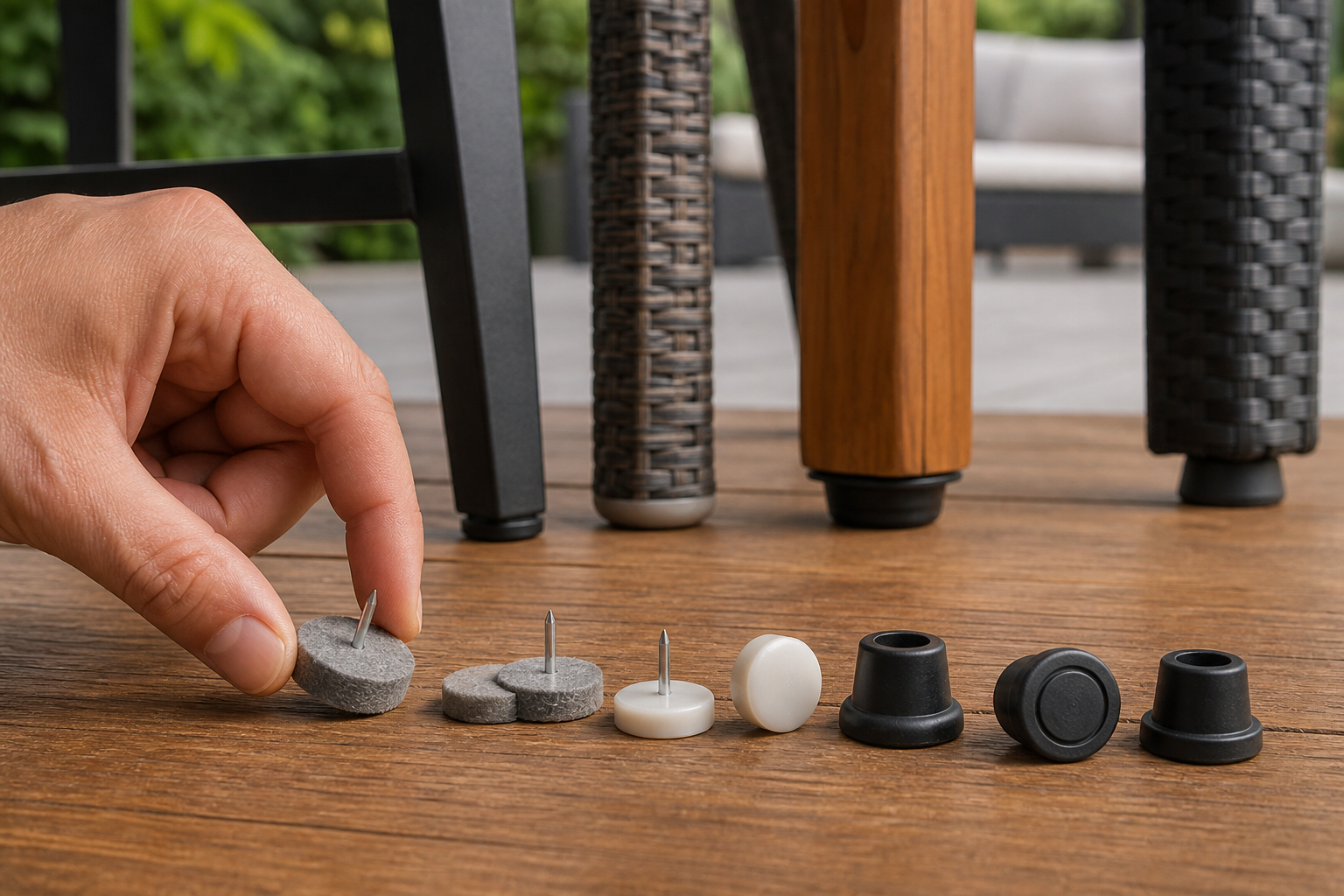
How to Accurately Identify Feet Glides for Your Furniture
The process to accurately Identify Feet Glides begins with a thorough examination of your furniture. Not all glides are universal, and selecting the correct replacement requires attention to detail. This section will guide you through the critical steps to ensure a perfect match for your furniture legs and floor type.
How Do I Identify the Correct Type of Feet Glides for My Chair or Furniture Legs?
To identify the correct type of feet glides, first examine the shape and size of your furniture legs. Are they round, square, rectangular, or perhaps angled? Next, consider your floor type—hardwood, tile, carpet, or outdoor patio—as this dictates the glide material. Finally, note the existing attachment method, such as screw-in, nail-on, or push-in, to ensure compatibility with replacements. Accurate measurement is absolutely key.
How Do I Measure My Furniture Legs to Ensure I Buy the Right Size of Feet Glides?
To ensure you buy the right size of feet glides, measure the outer diameter or width of the furniture leg bottom where the glide will attach. For internal glides that fit inside a hollow leg, measure the inner diameter of the leg opening. If the leg is tapered or angled, measure at the specific point of attachment. Always double-check your measurements and compare them carefully to the glide’s specifications before purchasing.
What are the Differences Between Screw-in, Nail-on, and Push-in Feet Glides?
Understanding the attachment methods is crucial when you need to Identify Feet Glides for replacement. Screw-in feet glides attach with a screw, providing a secure, semi-permanent fixture and offering great stability. Nail-on glides are hammered into the furniture leg, providing a firm attachment, often used for felt pads. Push-in or insert glides, typically made of plastic, are designed to fit snugly inside hollow furniture legs, creating a flush and clean appearance.
The choice depends on the furniture leg type and desired permanence.
Where Can I Find a Comprehensive Chart or Guide to Categorize Different Feet Glide Designs?
Comprehensive charts or guides to categorize different feet glide designs can often be found on the websites of specialized furniture parts suppliers, major hardware retailers, or online DIY resources. These guides typically illustrate various shapes, attachment methods, and material recommendations. Websites like Chair Sling Store provide detailed product descriptions and visual aids to help you Identify Feet Glides and select the right ones for your specific needs.
Ready to Identify Feet Glides and Protect Your Patio Furniture?
At Chair Sling Store, we provide premium-quality replacement parts, including a wide selection of durable feet glides designed for optimal floor protection and furniture longevity.
Choosing the Right Material to Identify Feet Glides for Every Surface
The material of your furniture glides is just as important as their size and attachment method. Different materials offer unique properties that make them suitable for specific floor types and environmental conditions. Making the right choice ensures maximum protection and functionality.
What are the Common Materials Used for Feet Glides, Such as Felt, Plastic, or Rubber?
Common materials for feet glides include felt, plastic (such as nylon or polyethylene), and rubber. Felt glides are excellent for delicate floors like hardwood or laminate, preventing scratches. Plastic glides are durable, low-friction, and often used on carpets or less sensitive hard surfaces. Rubber glides provide superior grip, prevent slipping, and are common for outdoor or wet environments where stability is crucial. Metal glides are also used, often with a plastic or felt insert for added protection.
Why are Specific Feet Glides Recommended for Different Floor Types, Like Hardwood or Carpet?
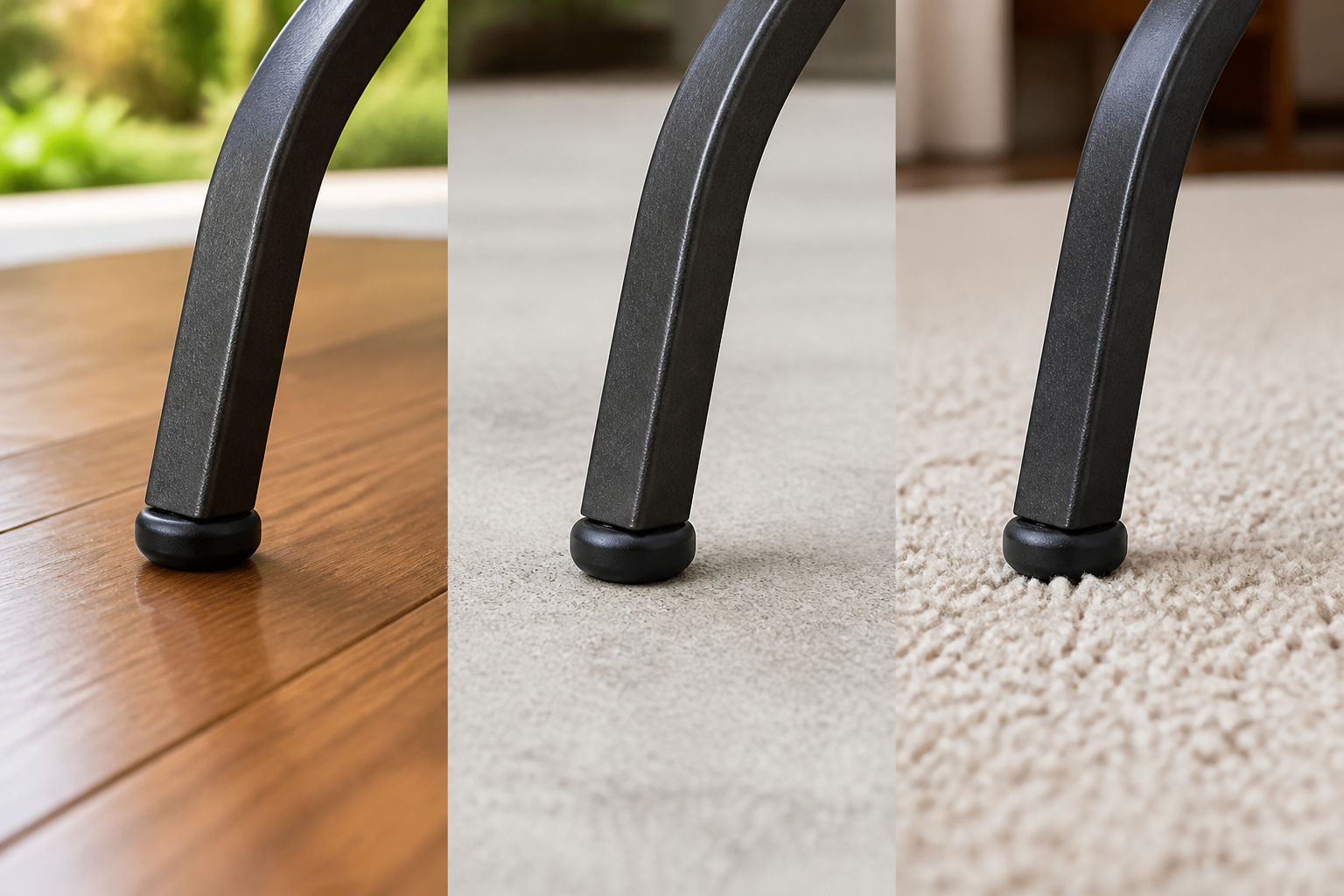
Specific feet glides are recommended for different floor types to optimize protection and movement. Soft materials like felt glides are ideal for hardwood or laminate to prevent scratches and allow smooth sliding. Harder, smoother plastic or nylon glides work best on carpet to reduce drag and make furniture easier to move. Rubber glides offer superior grip and anti-slip properties, often preferred for outdoor or wet environments and for preventing movement on smooth floors like tile.
What are the Best Feet Glides for Outdoor Patio Furniture to Withstand Weather Conditions?
The best feet glides for outdoor patio furniture to withstand weather conditions are typically made from durable, weather-resistant materials like UV-stabilized plastic, nylon, or rubber. These materials resist moisture, extreme temperatures, and sun exposure, preventing cracking, fading, or corrosion. They should also be designed to allow water drainage if the furniture is hollow, preventing rust or mold inside the legs. Choosing the right material is key to maintaining your outdoor furniture’s integrity.
When to Replace and Where to Find New Feet Glides
Even the most durable feet glides will eventually wear out. Recognizing the signs of wear and knowing where to find quality replacements are crucial steps in maintaining your furniture and floors. Proactive replacement can save you significant repair costs down the line.
How Do I Know When My Existing Furniture Feet Glides Need to Be Replaced?
You know your existing furniture feet glides need to be replaced when you notice scratches or scuff marks appearing on your floor, increased noise when moving furniture, or the furniture feels less stable. Visually inspect the glides for wear, flattening, tearing, or if they are missing entirely. Worn glides lose their protective properties and can damage your floors, making it imperative to Identify Feet Glides that are failing.
What are Some Visual Cues to Identify Worn-out or Ineffective Chair Glides?
Visual cues to identify worn-out or ineffective chair glides include flattening of the glide material, visible dirt or debris embedded in felt pads, cracks or breaks in plastic glides, or exposed screws/nails that are now making contact with the floor. If the glide material is thinner in some spots or peeling off, it’s definitely time for replacement. Sometimes, a simple tilt of the chair will reveal the damage.
Where Can I Purchase Replacement or New Feet Glides for Various Furniture Pieces?
You can purchase replacement or new feet glides from specialized patio furniture parts retailers like Chair Sling Store. Hardware stores, home improvement centers, and online marketplaces also offer a wide selection. For unique or custom sizes, specialty suppliers or manufacturers of the furniture brand may be the best source to Identify Feet Glides and acquire suitable replacements.
Who Manufactures Durable and High-Quality Feet Glides for Heavy-Duty Furniture?
Many reputable manufacturers produce durable and high-quality feet glides suitable for heavy-duty furniture. Brands specializing in commercial furniture hardware, industrial supply companies, and dedicated furniture parts suppliers (like Chair Sling Store for patio furniture components) are good sources. Look for glides made from robust materials like reinforced plastic, heavy-duty felt, or solid rubber, designed for commercial use and built to last.
Can I Buy a Variety Pack of Furniture Feet Glides That Includes Multiple Sizes and Types?
Yes, variety packs of furniture feet glides that include multiple sizes and types are widely available. These packs are convenient for households with various furniture pieces and different floor types, or for those unsure of the exact size or style needed. They often contain a selection of felt, plastic, and rubber glides with various attachment methods, providing a versatile solution to help you Identify Feet Glides for multiple applications around your home.
Installation Tips to Maximize the Lifespan of Your Feet Glides
Proper installation is just as important as selecting the right glide. A correctly installed glide will perform better and last longer, providing continuous protection for your floors and furniture. Following these tips ensures you get the most out of your investment.
How to Properly Install New Furniture Feet Glides to Maximize Their Lifespan?
To properly install new furniture feet glides and maximize their lifespan, first clean the bottom of the furniture leg thoroughly. For screw-in glides, pre-drill a pilot hole to prevent wood splitting. For nail-on glides, tap them in straight and evenly with a mallet. For push-in glides, ensure a snug fit, perhaps using a rubber mallet for gentle persuasion. Always follow the manufacturer’s specific instructions and avoid overtightening or misaligning glides.
By taking these careful steps, you ensure that your new glides are securely attached and ready to withstand daily use. This attention to detail will significantly extend the life of your glides and, by extension, the protection they offer to your valuable floors and furniture.
Frequently Asked Questions About Identifying Feet Glides
What are furniture feet glides and their primary purpose?
Furniture feet glides are protective caps or pads attached to the bottom of furniture legs. Their primary purpose is to prevent scratching, scuffing, and other damage to floors, reduce noise when moving furniture, and allow furniture to slide more easily across surfaces. They also elevate furniture slightly, protecting the legs from moisture and wear.
How do I identify the correct type of feet glides for my chair or furniture legs?
To identify the correct type of feet glides, first examine the shape and size of your furniture legs (round, square, rectangular, angled). Then, consider your floor type (hardwood, tile, carpet) and the furniture’s weight. Finally, note the existing attachment method, such as screw-in, nail-on, or push-in, to ensure compatibility with replacements. Accurate measurement is key.
Why are specific feet glides recommended for different floor types, like hardwood or carpet?
Specific feet glides are recommended for different floor types to optimize protection and movement. Soft materials like felt glides are ideal for hardwood or laminate to prevent scratches. Harder, smoother plastic or nylon glides work best on carpet to reduce drag. Rubber glides offer grip and anti-slip properties, often preferred for outdoor or wet environments and for preventing movement on smooth floors.
Where can I purchase replacement or new feet glides for various furniture pieces?
You can purchase replacement or new feet glides from specialized patio furniture parts retailers like Chair Sling Store. Hardware stores, home improvement centers, and online marketplaces also offer a wide selection. For unique or custom sizes, specialty suppliers or manufacturers of the furniture brand may be the best source to identify feet glides and acquire suitable replacements.
What are the common materials used for feet glides, such as felt, plastic, or rubber?
Common materials for feet glides include felt, plastic (such as nylon or polyethylene), and rubber. Felt glides are excellent for delicate floors like hardwood. Plastic glides are durable, low-friction, and often used on carpets or less sensitive hard surfaces. Rubber glides provide superior grip, prevent slipping, and are common for outdoor or commercial furniture where stability is crucial. Metal glides are also used, often with a plastic or felt insert.
How do I measure my furniture legs to ensure I buy the right size of feet glides?
To ensure you buy the right size of feet glides, measure the outer diameter or width of the furniture leg bottom where the glide will attach. For internal glides, measure the inner diameter of the leg opening. If the leg is tapered or angled, measure at the specific point of attachment. Always double-check measurements and compare them to the glide’s specifications.
What are the differences between screw-in, nail-on, and push-in feet glides?
Screw-in feet glides attach with a screw for a secure, semi-permanent fixture, offering great stability. Nail-on glides are hammered into the furniture leg, providing a firm attachment, often used for felt pads. Push-in or insert glides (often plastic) are designed to fit inside hollow furniture legs, creating a flush and clean appearance. The choice depends on the furniture leg type and desired permanence.
How do I know when my existing furniture feet glides need to be replaced?
You know your existing furniture feet glides need to be replaced when you notice scratches or scuff marks appearing on your floor, increased noise when moving furniture, or the furniture feels less stable. Visually inspect the glides for wear, flattening, tearing, or if they are missing entirely. Worn glides lose their protective properties and can damage your floors.
Who manufactures durable and high-quality feet glides for heavy-duty furniture?
Many reputable manufacturers produce durable and high-quality feet glides suitable for heavy-duty furniture. Brands specializing in commercial furniture hardware, industrial supply companies, and dedicated furniture parts suppliers (like Chair Sling Store for patio furniture components) are good sources. Look for glides made from robust materials like reinforced plastic, heavy-duty felt, or solid rubber, designed for commercial use.
What are some visual cues to identify worn-out or ineffective chair glides?
Visual cues to identify worn-out or ineffective chair glides include flattening of the glide material, visible dirt or debris embedded in felt pads, cracks or breaks in plastic glides, or exposed screws/nails that are now making contact with the floor. If the glide material is thinner in some spots or peeling off, it’s time for replacement. Sometimes, a simple tilt of the chair will reveal the damage.
Where can I find a comprehensive chart or guide to categorize different feet glide designs?
Comprehensive charts or guides to categorize different feet glide designs can often be found on the websites of specialized furniture parts suppliers, major hardware retailers, or online DIY resources. These guides typically illustrate various shapes, attachment methods, and material recommendations. Websites like Chair Sling Store provide detailed product descriptions to help you identify feet glides and select the right ones.
Why is it important to use appropriate feet glides to prevent floor damage and noise?
Using appropriate feet glides is crucial to prevent floor damage and reduce noise because they create a protective barrier between hard furniture legs and delicate flooring. Without them, constant friction and impact from moving furniture can lead to unsightly scratches, dents, and scuffs, incurring costly repairs. Glides also absorb sound, making furniture movement quieter and less disruptive.
How to properly install new furniture feet glides to maximize their lifespan?
To properly install new furniture feet glides and maximize their lifespan, first clean the bottom of the furniture leg thoroughly. For screw-in glides, pre-drill a pilot hole. For nail-on glides, tap them in straight and evenly. For push-in glides, ensure a snug fit, perhaps using a rubber mallet for gentle persuasion. Always follow the manufacturer’s specific instructions and avoid overtightening or misaligning glides.
What are the best feet glides for outdoor patio furniture to withstand weather conditions?
The best feet glides for outdoor patio furniture to withstand weather conditions are typically made from durable, weather-resistant materials like UV-stabilized plastic, nylon, or rubber. These materials resist moisture, extreme temperatures, and sun exposure, preventing cracking, fading, or corrosion. They should also be designed to allow water drainage if the furniture is hollow, preventing rust or mold inside the legs.
Can I buy a variety pack of furniture feet glides that includes multiple sizes and types?
Yes, variety packs of furniture feet glides that include multiple sizes and types are widely available. These packs are convenient for households with various furniture pieces and different floor types, or for those unsure of the exact size or style needed. They often contain a selection of felt, plastic, and rubber glides with various attachment methods, providing a versatile solution to identify feet glides for multiple applications.
Conclusion: Mastering the Art to Identify Feet Glides
Mastering the art to Identify Feet Glides is a small effort that yields significant rewards in terms of furniture longevity and floor protection. From understanding their fundamental purpose to meticulously measuring and selecting the right materials, each step contributes to a more durable and aesthetically pleasing living space. By proactively replacing worn glides and installing new ones correctly, you safeguard your investments and ensure your furniture moves smoothly and silently.
The right feet glides are not merely accessories; they are essential components of furniture care. By applying the powerful tips outlined in this guide, you can confidently identify, select, and install the perfect glides for every piece of furniture, ensuring your patio and indoor floors remain pristine for years to come. Take the time to identify feet glides properly, and enjoy the lasting benefits of a well-protected home.
Learn more from authoritative resources: Consumer Reports and HGTV.