
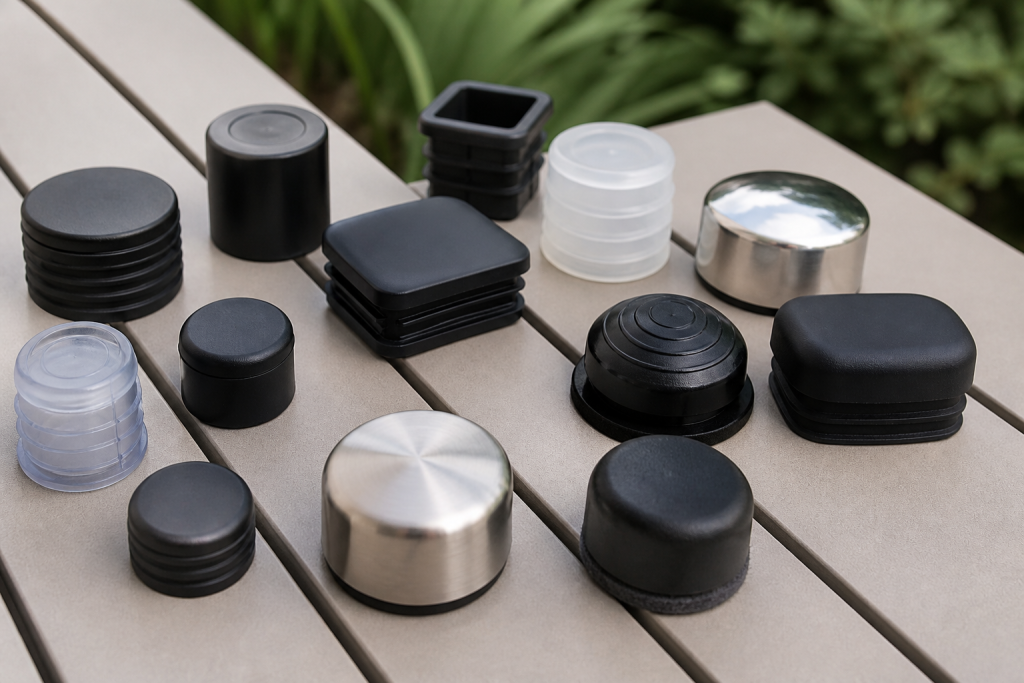
Furniture End Caps are indispensable for preserving the beauty and longevity of your outdoor living spaces. They act as a vital barrier, shielding both your cherished patio furniture and delicate flooring from the rigors of daily use and environmental exposure. For those seeking to elevate their outdoor aesthetic while ensuring maximum protection, understanding the diverse array of available styles is paramount. This guide will illuminate 9 brilliant styles of Furniture End Caps, each engineered for enhanced durability and aesthetic appeal, ensuring your outdoor space remains pristine and safe for years to come.
Key Takeaways
- Discover the fundamental role of Furniture End Caps in safeguarding your patio furniture and floors from damage.
- Explore 9 distinct and brilliant styles of Furniture End Caps, each offering unique benefits for various furniture types and outdoor conditions.
- Learn essential tips for accurately measuring, selecting, and installing the perfect Furniture End Caps to ensure optimal fit and performance.
- Understand the differences between materials like plastic and rubber, helping you choose the best Furniture End Caps for grip, durability, and weather resistance.
What are Furniture End Caps? The Ultimate Guide to Patio Protection
Your patio furniture is an investment, and like any valuable asset, it requires proper care and protection to maintain its integrity and appearance. Furniture End Caps serve as a simple yet incredibly effective solution to a multitude of common outdoor furniture challenges. These small but mighty accessories are designed to fit onto the ends of furniture legs, providing a crucial barrier between the furniture and the ground. Their primary purpose is multifaceted, extending far beyond mere aesthetics. They are essential for preventing damage, reducing noise, and enhancing stability.
Understanding the Core Purpose of Furniture End Caps
What are furniture end caps used for? Primarily, they protect both the furniture legs themselves and the surfaces they rest upon. Without them, metal legs can scratch delicate decking, tile, or concrete, leading to unsightly marks and costly repairs. Furthermore, exposed metal legs are susceptible to rust and corrosion, especially in humid outdoor environments. By capping these ends, you create a protective seal that wards off moisture and extends the lifespan of your patio pieces. They also significantly reduce noise when furniture is moved, a benefit often overlooked until experienced.
Essential Materials for Durable Furniture End Caps
The effectiveness of furniture end caps largely depends on the material from which they are made. A wide variety of materials are used, each offering distinct advantages. Durable plastics, such as polyethylene (PE) or polyvinyl chloride (PVC), are common choices due to their rigidity, weather resistance, and cost-effectiveness. Rubber end caps provide superior grip and shock absorption, making them ideal for preventing sliding and cushioning heavy furniture. Silicone offers excellent flexibility and resistance to extreme temperatures. Some specialized caps may even incorporate felt for smooth gliding on sensitive surfaces or metal for heavy-duty industrial applications. Choosing the right material ensures your furniture end caps perform optimally in their specific environment.
Why Should I Use End Caps on My Furniture Legs?
Using furniture end caps offers multiple benefits that contribute to a more enjoyable and longer-lasting outdoor living experience. They act as a shield, preventing direct contact between furniture legs and your patio surface, thus eliminating scratches, scuffs, and gouges. This is particularly important for expensive decking or delicate stone patios. Beyond protection, they enhance stability by providing a flat, even surface for furniture to rest on, reducing wobbling. They also contribute to the overall aesthetic, giving furniture a finished, polished look by concealing raw or sharp edges. In essence, these small additions provide significant peace of mind and tangible value.
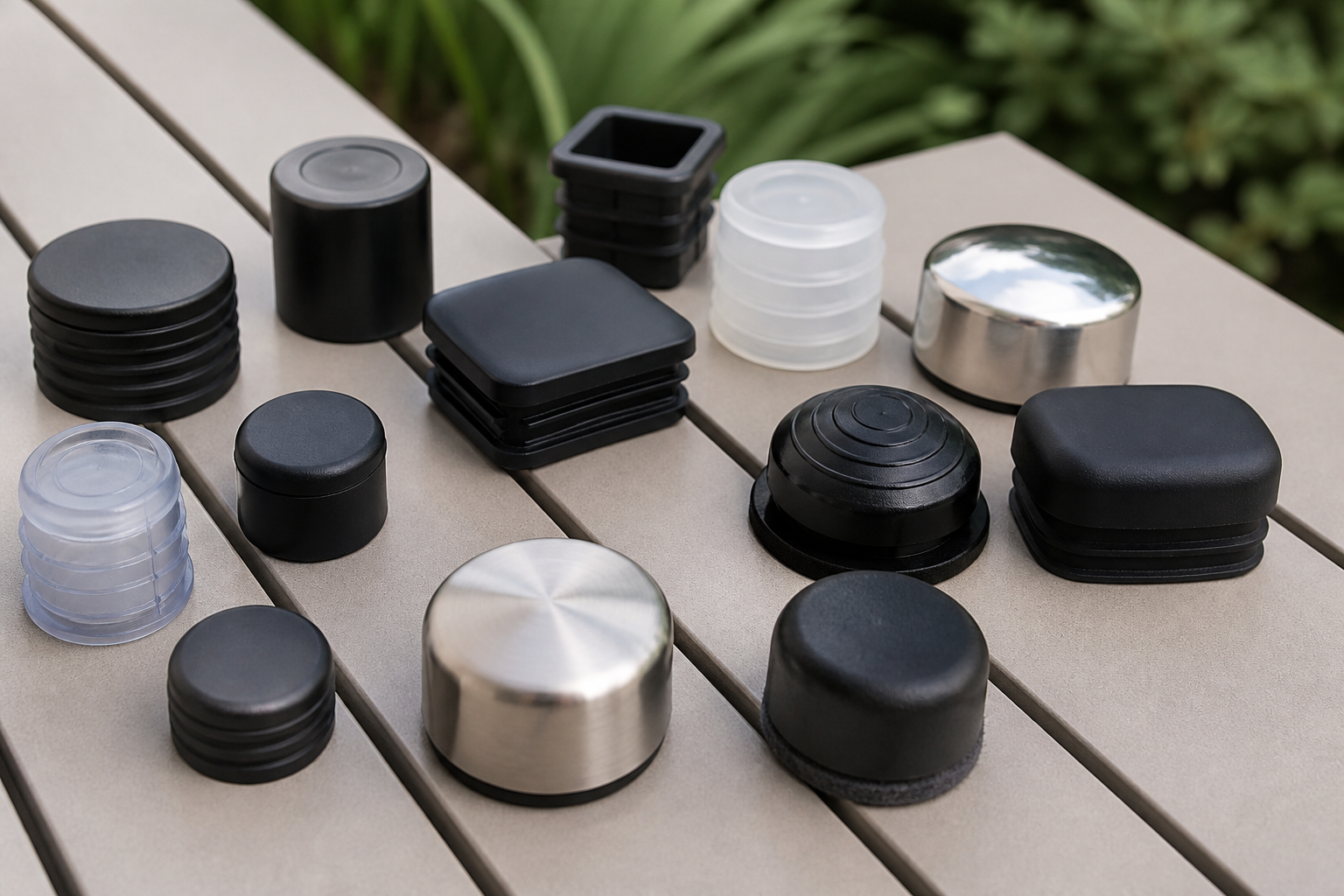
9 Brilliant Styles of Furniture End Caps for Every Patio
The world of furniture end caps is surprisingly diverse, offering a solution for nearly every type of furniture leg and aesthetic preference. From sleek, minimalist designs to robust, heavy-duty options, selecting the right style can significantly impact both the functionality and appearance of your outdoor furniture. Understanding the different types available allows you to make an informed choice that perfectly matches your needs.
Round Internal Furniture End Caps
These are perhaps the most common type of furniture end caps, designed to be inserted into hollow round furniture legs. They provide a flush, clean finish and are excellent for protecting both the inside of the leg from moisture and the floor surface from sharp edges. They are widely used on metal patio chairs and tables.
Square External Furniture End Caps
For square-profile furniture legs, external caps slip over the outside of the leg. These furniture end caps offer robust protection and can significantly enhance the visual appeal of the furniture by providing a neat, finished look. They are often made from durable plastic or rubber.
Angled Furniture End Caps for Slanted Legs
Many modern patio furniture designs feature legs that splay outwards at an angle. Standard caps would sit unevenly. Angled furniture end caps are specifically designed with a pre-set angle to ensure a flat, stable contact with the ground, providing consistent protection and stability.
Felt-Bottomed Furniture End Caps for Smooth Gliding
While primarily for indoor use, felt-bottomed furniture end caps can be beneficial for covered patios or sunrooms with smooth, delicate flooring. The felt base allows furniture to glide effortlessly, preventing scratches and reducing friction noise. They are not typically recommended for direct exposure to rain or moisture.
Rubber Furniture End Caps for Superior Grip
Are rubber end caps better than plastic for furniture? For applications requiring maximum grip and shock absorption, rubber furniture end caps often outperform plastic. Their inherent elasticity provides excellent traction, preventing furniture from sliding on smooth or wet surfaces. They are also highly effective at dampening impact and reducing noise, making them ideal for high-traffic areas or heavy furniture.
Plastic Furniture End Caps for Durability
Plastic furniture end caps, particularly those made from high-density polyethylene (HDPE) or PVC, are incredibly durable and resistant to abrasion. They are a cost-effective choice for general patio use, offering good protection against scratches and moisture. They are easy to install and come in a vast array of sizes and shapes. How do you install plastic end caps on furniture? For internal caps, simply push them firmly into the hollow leg opening. For external caps, slip them over the leg end. A rubber mallet can assist with a tight fit.
Heavy-Duty Metal Furniture End Caps
For extremely robust outdoor furniture or commercial settings, metal furniture end caps can offer unparalleled durability. These are often made from stainless steel or aluminum, providing exceptional resistance to impact, corrosion, and wear. They are typically used on industrial-style patio pieces or public seating.
Custom-Fit Furniture End Caps for Unique Designs
Where can I find custom size furniture end caps? For unique or antique patio furniture with non-standard leg dimensions or shapes, custom-fit options are available. Specialized manufacturers or online retailers can produce bespoke furniture end caps to ensure a perfect, snug fit, preserving the integrity and aesthetic of unique pieces.
Decorative Furniture End Caps for Aesthetic Appeal
Do furniture end caps come in different colors and styles? Absolutely. Beyond their protective function, many end caps are designed to enhance the furniture’s aesthetic. They come in various colors, most commonly black, white, and gray, but also in bronze, clear, or even custom hues to match specific furniture finishes. Decorative styles can add a subtle touch of elegance or blend seamlessly with the existing design.
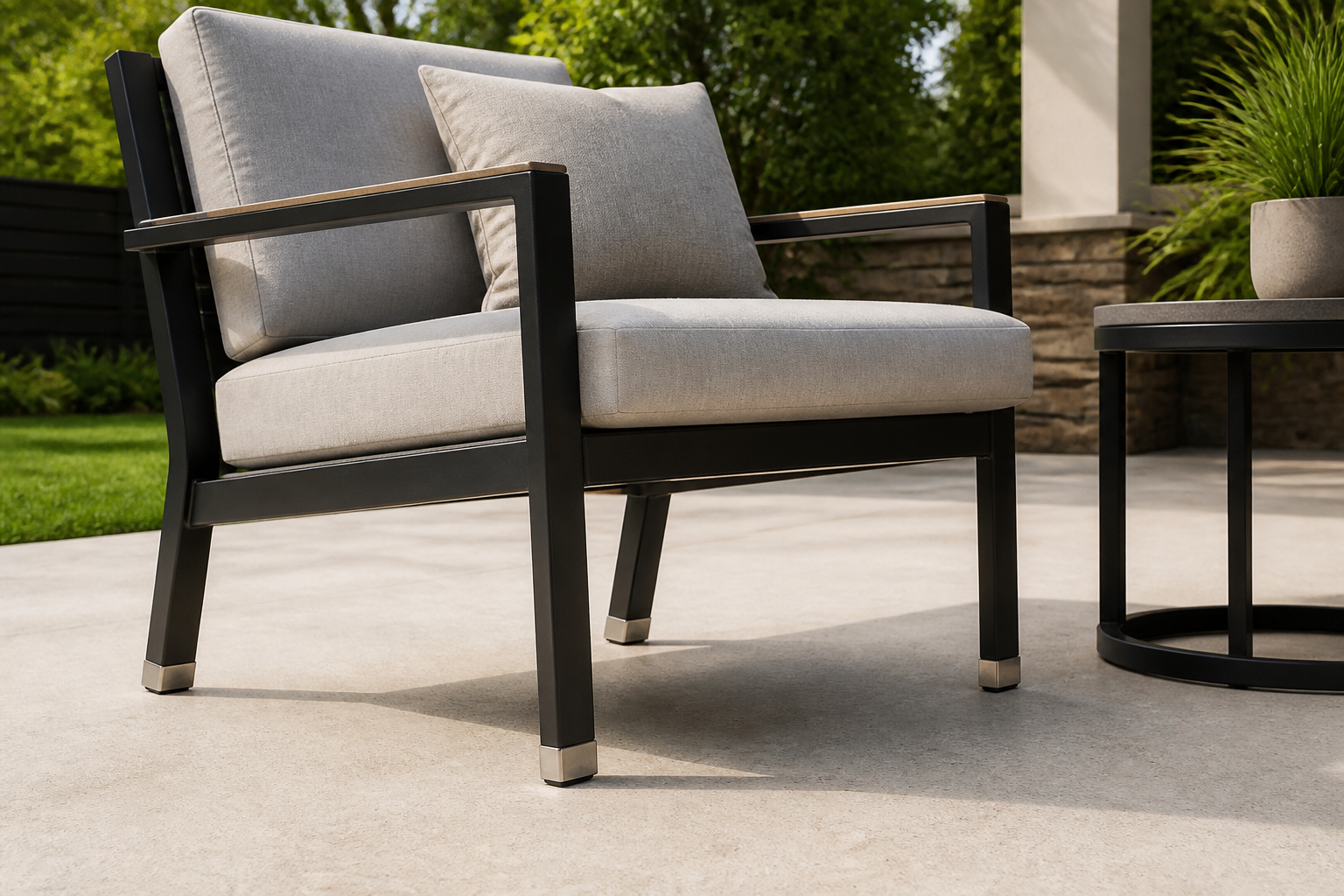
Selecting the Perfect Furniture End Caps for Your Outdoor Space
Choosing the right furniture end caps is crucial for maximizing their protective benefits and ensuring a seamless fit with your patio furniture. A thoughtful selection process involves careful measurement, consideration of environmental factors, and an understanding of installation requirements. This proactive approach will save you time and effort in the long run, guaranteeing optimal performance from your chosen end caps.
Accurate Measurement for Optimal Furniture End Caps Fit
How do I measure for replacement furniture end caps? Accurate measurement is the most critical step. For hollow legs, you need both the outside diameter (OD) and the inside diameter (ID) to ensure a snug fit for internal caps. For solid legs, only the outside diameter is required for external caps. Always use a caliper or a precise ruler for the most accurate measurements. A cap that is too loose will fall off, while one that is too tight may be impossible to install or could crack.
Durability and Weather Resistance in Outdoor Furniture End Caps
What are the best furniture end caps for outdoor patio furniture? For outdoor use, weather resistance is paramount. Look for materials that are UV-stabilized to prevent degradation from sunlight, and resistant to moisture, temperature fluctuations, and mildew. High-quality plastics and rubbers are excellent choices. They should be robust enough to withstand constant exposure to the elements without cracking, fading, or becoming brittle, ensuring long-lasting protection for your furniture.
Simple Installation and Removal of Furniture End Caps
Installing most furniture end caps is a straightforward process. For internal caps, ensure the leg opening is clean and free of debris, then simply push the cap firmly into place. For external caps, slide them over the leg. A rubber mallet can be used for a tighter fit, but avoid excessive force. How do I remove old furniture end caps? For external caps, a flathead screwdriver can gently pry them off. For stubborn internal caps, pliers or a screw inserted for leverage might be necessary. Always exercise caution to avoid damaging the furniture.