
Commercial Pool Slings: 5 Proven Ways to Cut Downtime
For public swimming facilities, ensuring continuous accessibility is paramount. Any interruption, especially due to equipment failure, can lead to significant inconvenience and even safety concerns. This is particularly true for pool lifts, where reliable Commercial Pool Slings are the linchpin of ADA compliance and user safety. When these essential components fail or are out of service, it directly impacts your facility’s ability to serve all patrons, leading to frustrating downtime.
Minimizing downtime is not just about operational efficiency; it’s about maintaining your reputation, ensuring guest satisfaction, and upholding critical safety standards. In this comprehensive guide, we will explore five proven strategies to effectively manage and maintain your Commercial Pool Slings, drastically reducing the risk of unexpected outages. From proactive maintenance to strategic replacement and optimal selection, discover how to keep your aquatic access equipment running smoothly and reliably.
Key Takeaways
- Implement a robust inspection and maintenance schedule to extend the lifespan of your Commercial Pool Slings and prevent unexpected failures.
- Develop a proactive replacement strategy for Commercial Pool Slings based on usage, material, and environmental factors to avoid critical downtime.
- Select the correct type and material of Commercial Pool Slings to ensure compatibility with your pool lift, maximize durability, and enhance user comfort.
- Partner with reputable suppliers for high-quality, ADA-compliant Commercial Pool Slings to guarantee reliability and access to custom solutions.
- Ensure all staff are thoroughly trained in the proper handling, cleaning, and storage of Commercial Pool Slings to minimize wear and tear and ensure safety.
Understanding the Role of Commercial Pool Slings in Aquatic Facilities
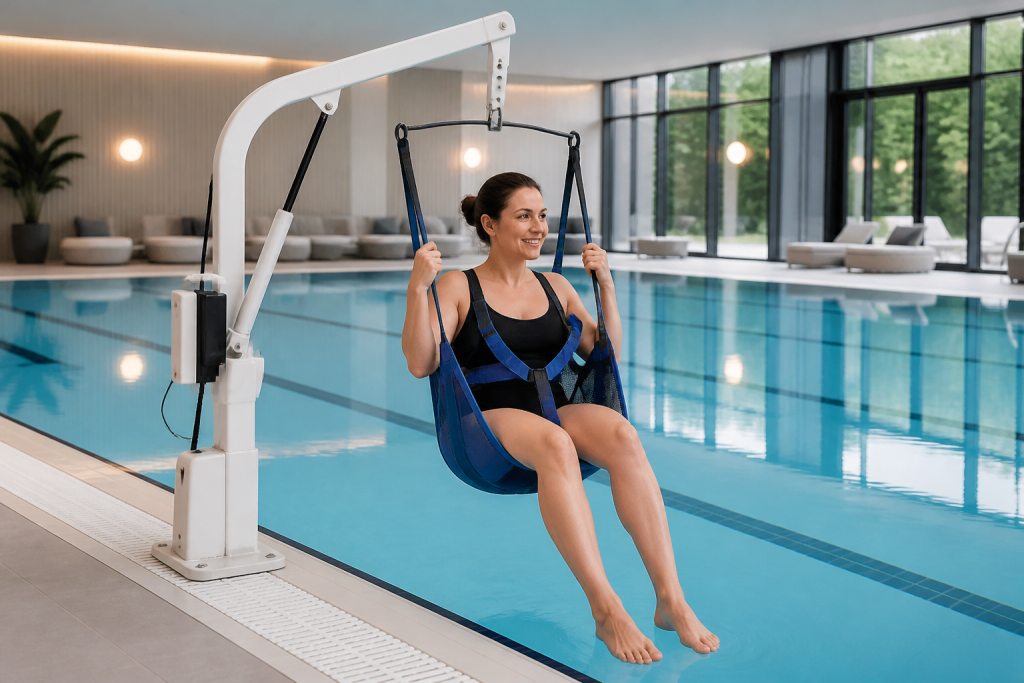
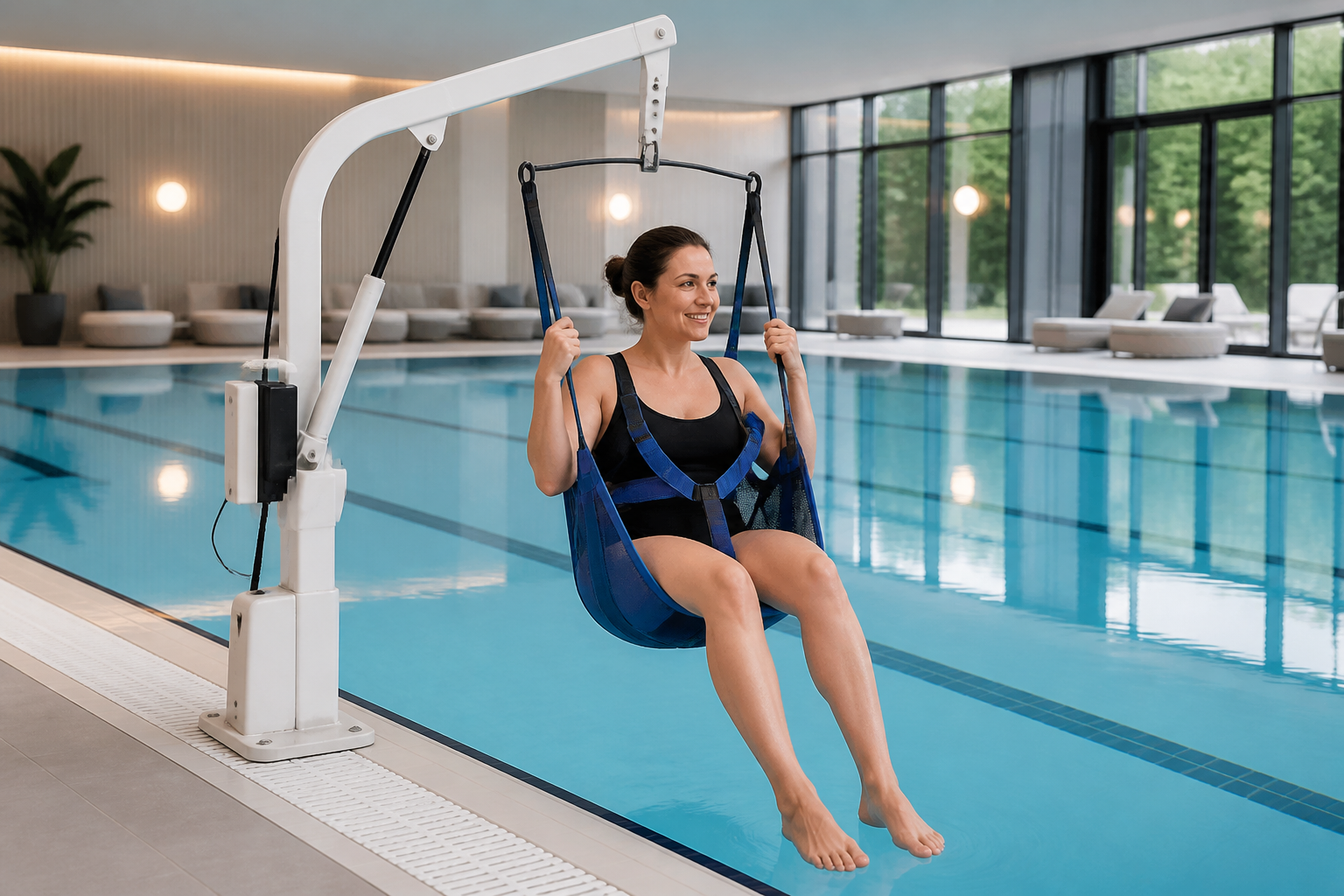
Commercial Pool Slings are vital adaptive devices used in public swimming facilities, hotels, resorts, and rehabilitation centers. Their primary function is to safely and comfortably transfer individuals with mobility challenges into and out of the water. These slings attach to various types of pool lift systems, providing a secure means of access that upholds inclusivity for all patrons. Without functional slings, even the most advanced pool lift becomes unusable, directly leading to facility downtime.
What are commercial pool slings used for in public swimming facilities? They are the critical interface between the user and the lift, ensuring a dignified and safe transfer. Their design and material are chosen to withstand the harsh aquatic environment, including constant exposure to chlorine, UV rays, and frequent use. Understanding their fundamental role is the first step in appreciating the importance of their proper management to prevent operational interruptions.
Ensuring ADA Compliance with Commercial Pool Slings
Are commercial pool slings a mandatory requirement for all commercial pools? While not explicitly mandatory as standalone items for all commercial pools, their use is indirectly required by the Americans with Disabilities Act (ADA) accessibility guidelines. When a pool lift is the chosen means of entry for disabled individuals, the lift system, including its sling, must be readily available and fully functional to ensure equal access.
A broken or missing sling renders the entire lift non-compliant, leading to potential legal issues and service disruptions.
Facilities must ensure that their aquatic access equipment, including all components like Commercial Pool Slings, meets the latest ADA standards. This commitment to compliance is not just a legal obligation but a commitment to serving the entire community. Regular checks on the condition and availability of these slings are therefore essential for continuous operation and adherence to accessibility laws.
The Importance of Quality Commercial Pool Slings
Who manufactures durable and reliable commercial pool slings? Reputable manufacturers specialize in producing high-quality slings designed for the demanding commercial environment. These manufacturers often prioritize robust materials and rigorous testing to ensure product longevity and safety. Investing in well-made slings from trusted suppliers is a foundational step in minimizing downtime, as inferior products are prone to premature wear and failure.
Quality slings are engineered to resist degradation from pool chemicals and sunlight, offering a longer service life. This reduces the frequency of replacements and the associated costs and labor. Facilities should always seek out slings that are known for their resilience and performance, ensuring that their Commercial Pool Slings can withstand the rigors of heavy public use without compromising safety or accessibility.
Boost Uptime with Chair Sling Store’s Commercial Pool Slings
As a leader in sling solutions, Chair Sling Store provides durable, ADA-compliant commercial pool slings designed for longevity and minimal maintenance in demanding aquatic environments.
Proven Way 1: Proactive Maintenance of Commercial Pool Slings
A proactive approach to maintenance is the cornerstone of preventing unexpected failures and extending the life of your Commercial Pool Slings. Just like any other piece of critical equipment, slings require regular attention to remain in optimal condition. Implementing a structured maintenance schedule can significantly reduce the likelihood of a sling breaking down during peak operating hours, thereby cutting downtime and ensuring continuous service.
This strategy involves more than just visual checks; it requires a systematic process for cleaning, inspecting, and documenting the condition of each sling. By catching minor issues before they escalate, facilities can schedule repairs or replacements during off-peak times, avoiding disruption to patrons. This foresight is invaluable for maintaining a high standard of accessibility.
Why Regular Inspection of Commercial Pool Slings is Critical
Why is regular inspection and replacement of commercial pool slings important? Consistent inspection is paramount for user safety and operational reliability. Over time, exposure to chlorine, UV rays, and constant use can degrade sling materials, leading to tears, fraying, or weakened stitching. These issues, if unnoticed, can lead to dangerous failures during transfers. Routine checks prevent accidents and maintain compliance with safety regulations.
Facility staff should conduct daily visual inspections for obvious damage and monthly detailed inspections. Look for discoloration, thinning fabric, loose stitching, or any signs of material fatigue. Documenting these inspections helps track the lifespan of each sling and anticipate replacement needs, ensuring your Commercial Pool Slings are always safe and ready for use.
Best Practices for Cleaning Commercial Pool Slings
What are the best practices for cleaning and maintaining commercial pool slings? Proper cleaning is essential for hygiene and extending sling life. After each use, slings should be rinsed thoroughly with fresh water to remove chlorine and other pool chemicals. This simple step prevents chemical buildup that can accelerate material degradation. Regular cleaning with a mild soap solution is also recommended to remove body oils and dirt.
Always air-dry slings completely in a shaded, well-ventilated area before storage. Avoid direct sunlight during drying, as prolonged UV exposure can weaken the fabric. Harsh chemicals or abrasive brushes should never be used, as they can damage the material and compromise the sling’s integrity. Consistent adherence to these cleaning protocols will keep your Commercial Pool Slings hygienic and durable.
Proven Way 2: Strategic Replacement of Commercial Pool Slings
Even with diligent maintenance, Commercial Pool Slings have a finite lifespan. Implementing a strategic replacement schedule is crucial to avoid unexpected failures and minimize downtime. Waiting for a sling to visibly break before replacing it is a reactive approach that can lead to immediate service interruptions and potential safety hazards. A proactive replacement plan ensures that new slings are on hand and ready to be deployed before old ones become a liability.
This strategy involves understanding the typical wear patterns of your slings and budgeting for replacements. By rotating slings and tracking their individual usage, facilities can optimize their replacement cycle, ensuring that no single sling is overused. This foresight is key to maintaining a fully operational aquatic facility without unexpected hitches.
How Often to Replace Commercial Pool Slings
How often should commercial pool slings be replaced to ensure safety? The replacement frequency depends on several factors, including usage intensity, material type, and exposure to environmental elements like chlorine and UV radiation. As a general guideline, slings should be inspected monthly and considered for replacement every 1 to 3 years. However, any sling showing signs of wear, damage, or degradation should be replaced immediately, regardless of its age.
High-traffic facilities or those with intense sunlight exposure may need to replace their Commercial Pool Slings more frequently. Maintaining a detailed log for each sling, noting its purchase date, usage frequency, and inspection findings, can help predict replacement needs accurately. This data-driven approach ensures that safety is never compromised due to an outdated sling.
Identifying When to Replace Commercial Pool Slings
Beyond a fixed schedule, recognizing the signs of imminent failure is vital. Look for faded or discolored fabric, which indicates UV degradation. Fraying edges, loose stitching, or small tears are clear indicators of structural weakness. Any stiffness or brittleness in the material suggests chemical damage. If a sling feels less pliable or shows signs of stretching, it’s likely nearing the end of its safe operational life.
It is always better to err on the side of caution. A damaged sling not only poses a risk to users but can also damage the pool lift mechanism itself. Replacing a sling proactively is a small investment compared to the cost of an injury or prolonged facility closure. Ensure your team is trained to identify these critical indicators in all your Commercial Pool Slings.
Proven Way 3: Optimal Selection of Commercial Pool Slings
Choosing the right Commercial Pool Slings for your facility is a critical decision that directly impacts user safety, comfort, and operational efficiency. A poorly chosen sling can lead to discomfort, difficulty in transfers, and premature wear, all contributing to increased downtime. Optimal selection involves considering the specific pool lift model, user needs, and the aquatic environment itself.
This strategic choice ensures that your slings are not only compatible with your equipment but also provide the best possible experience for your patrons. Investing in the correct type of sling from the outset can save significant time and resources in the long run, making it a key factor in minimizing interruptions to your aquatic services.
Selecting Commercial Pool Slings for Different Pool Lifts
How do you choose the correct commercial pool sling for different types of pool lifts? Compatibility is key. Pool lifts come in various models, each designed to work with specific sling attachment points and styles. Always consult your pool lift’s manufacturer guidelines to ensure you select a sling that is perfectly compatible. Using an incompatible sling can lead to unsafe operation, damage to the lift, or even user injury.
Slings also come in various styles, such as full-body, commode cut-out, or transfer styles, to accommodate different user needs and transfer requirements. Understanding the specific needs of your patrons will guide your selection, ensuring that the chosen Commercial Pool Slings facilitate smooth and secure transfers for everyone.
Understanding Materials for Commercial Pool Slings
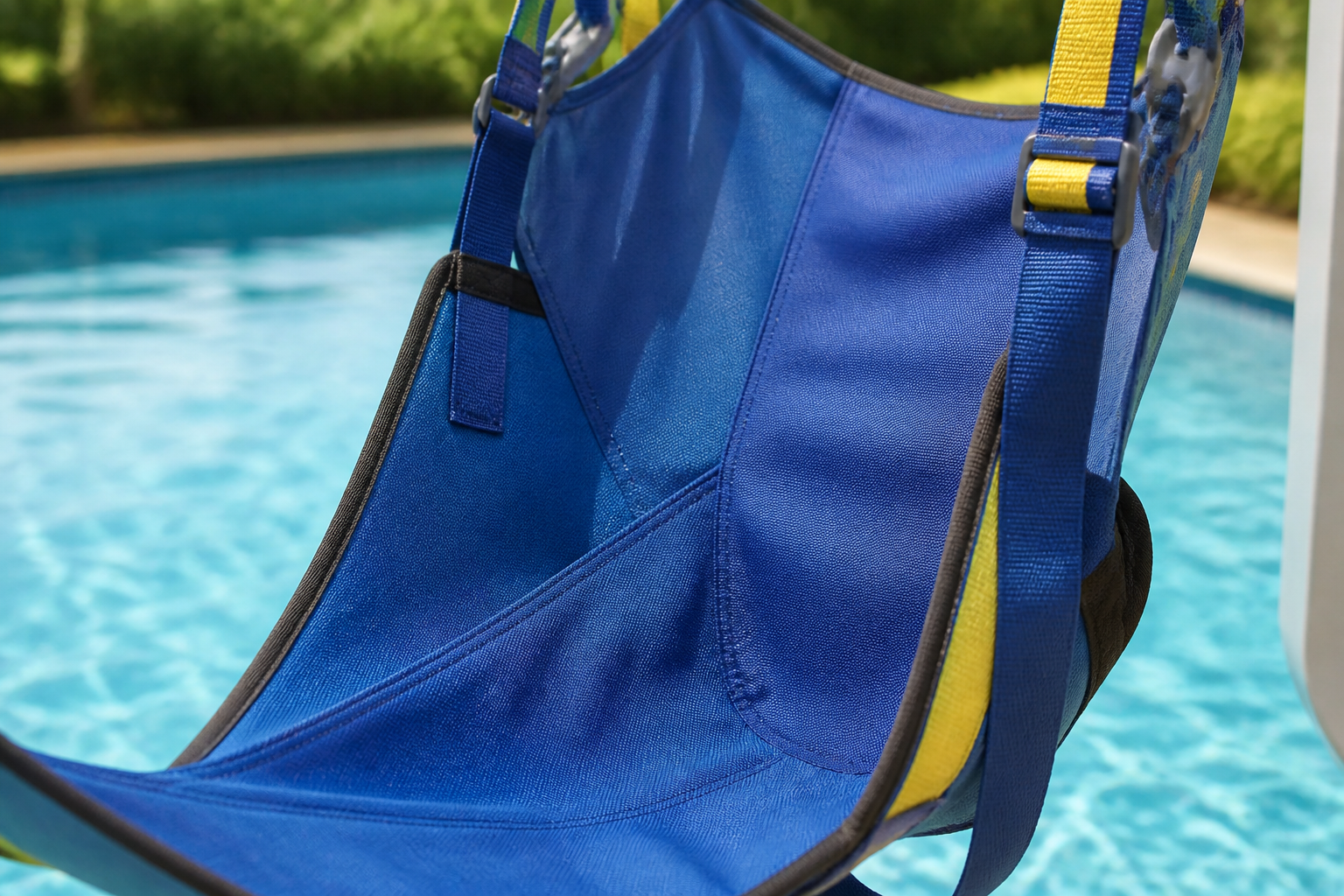
What are the different materials used for commercial pool slings and their benefits? Slings are typically made from durable, water-resistant materials like PVC-coated polyester mesh, solid vinyl, or reinforced nylon. Each material offers distinct advantages. Mesh slings are popular for their quick-drying properties and breathability, making them comfortable for users and reducing drying time between uses.
Solid vinyl slings provide more robust support and are often easier to clean and sanitize, which is crucial for high-traffic facilities. Reinforced nylon offers excellent strength and durability. When selecting Commercial Pool Slings, consider the balance between drying time, support, hygiene, and overall longevity that best suits your facility’s operational demands and user preferences.
Considering Weight Capacity for Commercial Pool Slings
What is the maximum weight capacity for standard commercial pool slings? Standard slings typically have weight capacities ranging from 300 to 450 pounds. However, heavy-duty or bariatric slings are available that can support up to 600 pounds or more. It is absolutely critical to match the sling’s capacity to both the pool lift’s maximum rating and the user’s weight.
Never exceed the stated weight capacity of either the sling or the lift. Overloading can lead to catastrophic failure, severe injury, and immediate downtime for your equipment. Always have a range of Commercial Pool Slings with varying weight capacities available to safely accommodate all patrons, ensuring compliance and preventing incidents.
Features to Look for in Resort Commercial Pool Slings
What features should I look for when buying commercial pool slings for a resort? Resorts often prioritize durability, ease of cleaning, quick-drying properties, and user comfort. Look for slings with reinforced stitching, UV and chlorine resistance, and materials that can withstand high-frequency use while maintaining their integrity and aesthetic appeal. Comfort features, such as padded leg straps or head supports, can significantly enhance the guest experience.
For resorts, the visual appeal of the equipment also matters. Slings that maintain their color and shape despite constant use reflect positively on the facility’s overall quality. Investing in high-quality Commercial Pool Slings that combine functionality with comfort and aesthetics ensures a premium experience for guests and reduces the need for frequent replacements.
Proven Way 4: Partnering with Reliable Commercial Pool Slings Suppliers
The quality and availability of your Commercial Pool Slings are only as good as your supplier. Establishing a strong relationship with a reputable and reliable supplier is a strategic move that can significantly reduce downtime. A good supplier offers high-quality, ADA-compliant products, provides excellent customer service, and can quickly fulfill orders, including custom solutions when needed.
This partnership ensures that you have access to the best products and support, minimizing delays when replacements or new slings are required. It’s about more than just purchasing; it’s about building a dependable supply chain that supports your facility’s continuous operation and commitment to accessibility.
Where to Purchase ADA Compliant Commercial Pool Slings
Where can I purchase ADA compliant commercial pool slings online? ADA compliant slings can be purchased online from specialized suppliers like Chair Sling Store and other reputable aquatic equipment providers. It is essential to verify that the slings meet the latest ADA standards and are suitable for your specific pool lift system. Look for suppliers who clearly state their compliance and offer detailed product specifications.
Purchasing from a trusted online source ensures convenience and access to a wide range of products. Always check customer reviews and the supplier’s return policy. For facilities seeking reliable Commercial Pool Slings, Chair Sling Store offers a comprehensive selection designed to meet stringent accessibility and durability requirements.
Finding Wholesale Suppliers for Commercial Pool Slings
Where can I find wholesale suppliers for commercial pool slings? Wholesale suppliers, serving facilities with bulk purchasing needs, can be found through industry trade shows, online B2B marketplaces, and by contacting major aquatic equipment distributors. Many manufacturers also offer direct wholesale programs for large orders. Building relationships with these suppliers can lead to cost savings and consistent product availability.
For facilities like large resorts or municipal aquatic centers, wholesale purchasing is an efficient way to manage inventory and ensure a steady supply of Commercial Pool Slings. Inquire about bulk discounts, shipping options, and lead times to optimize your procurement process and avoid stockouts that could lead to downtime.
Custom Commercial Pool Slings for Unique Needs
Can I order custom-sized commercial pool slings for unique aquatic access needs? Yes, custom-sized slings can often be ordered to meet unique aquatic access requirements. Many specialized manufacturers and suppliers, including Chair Sling Store, offer custom fabrication services. This is particularly useful for unusual pool lift configurations, bariatric users requiring specialized support, or facilities with unique branding needs.
Custom slings ensure a perfect fit, maximizing both safety and comfort for users who may not be accommodated by standard sizes. Discuss your specific requirements with a knowledgeable supplier to explore custom options for your Commercial Pool Slings, ensuring every patron has access to safe and comfortable transfers.
Proven Way 5: Comprehensive Training for Commercial Pool Slings Use
Even the highest quality Commercial Pool Slings can suffer premature wear or cause safety issues if not handled correctly. Comprehensive training for all staff involved in operating pool lifts and assisting patrons is a non-negotiable strategy for cutting downtime. Proper training ensures that slings are used, cleaned, stored, and inspected correctly, minimizing damage and extending their lifespan.
Untrained staff can inadvertently misuse slings, leading to tears, stretched fabric, or improper attachment, all of which can render a sling unsafe and out of service. Investing in thorough training empowers your team to be proactive guardians of your equipment, directly contributing to uninterrupted accessibility and a safer environment for everyone.
Ensuring Proper Use of Commercial Pool Slings
Training should cover the correct attachment of Commercial Pool Slings to the pool lift, ensuring all clips and buckles are securely fastened. Staff must understand how to position users safely and comfortably within the sling, minimizing discomfort and preventing skin shearing. Proper lifting and lowering techniques are also crucial to avoid undue stress on the sling material and the lift mechanism.
Regular refreshers and hands-on practice sessions are vital to reinforce these skills. A well-trained team will not only operate the equipment more efficiently but will also be more adept at identifying early signs of wear or damage, allowing for timely intervention before a sling becomes unusable. This attention to detail with Commercial Pool Slings is key to operational excellence.
Understanding Safety Standards for Commercial Pool Slings
What safety standards and certifications apply to commercial pool slings? Slings must adhere to various safety standards, primarily those outlined by the Americans with Disabilities Act (ADA) for accessibility. While there aren’t specific
Frequently Asked Questions About Commercial Pool Slings
What are commercial pool slings used for in public swimming facilities?
Commercial pool slings are crucial adaptive devices used in public swimming facilities to safely transfer individuals with mobility challenges into and out of the water.
They attach to various pool lift systems, providing a secure and comfortable means of access, thereby ensuring ADA compliance and promoting inclusivity for all patrons.
How do you choose the correct commercial pool sling for different types of pool lifts?
Choosing the correct commercial pool sling involves considering the specific pool lift model, the user’s weight capacity, and their unique mobility needs. Slings come in various sizes and styles (e.g., mesh, solid, commode cut-out) to accommodate different body types and lift mechanisms, ensuring compatibility and maximum safety.
Where can I purchase ADA compliant commercial pool slings online?
ADA compliant commercial pool slings can be purchased online from specialized suppliers like Chair Sling Store and other reputable aquatic equipment providers. It’s essential to verify that the slings meet the latest ADA standards and are suitable for the intended pool lift system.
Why is regular inspection and replacement of commercial pool slings important?
Regular inspection and timely replacement of commercial pool slings are paramount for user safety and operational reliability. Over time, exposure to chlorine, UV rays, and constant use can degrade sling materials, leading to tears or failures. Routine checks prevent accidents and maintain compliance with safety regulations.
Who manufactures durable and reliable commercial pool slings?
Several reputable manufacturers specialize in durable and reliable commercial pool slings, including those used by facilities purchasing from suppliers like Chair Sling Store. These manufacturers often prioritize high-grade materials and rigorous testing to ensure product longevity and safety in demanding commercial environments.
What are the different materials used for commercial pool slings and their benefits?
Commercial pool slings are typically made from durable, water-resistant materials such as PVC-coated polyester mesh, solid vinyl, or reinforced nylon. Mesh slings offer quick drying and breathability, while solid vinyl provides more support and can be easier to clean. Each material offers specific benefits for comfort, hygiene, and durability.
How often should commercial pool slings be replaced to ensure safety?
The replacement frequency for commercial pool slings depends on usage intensity, material type, and exposure to environmental factors. As a general guideline, slings should be inspected monthly and replaced every 1-3 years, or immediately if any signs of wear, damage, or degradation are observed, regardless of age.
What is the maximum weight capacity for standard commercial pool slings?
Standard commercial pool slings typically have weight capacities ranging from 300 to 450 pounds. However, heavy-duty or bariatric slings are available that can support up to 600 pounds or more. Always match the sling’s capacity to the pool lift’s maximum rating and the user’s weight.
Are commercial pool slings a mandatory requirement for all commercial pools?
While not explicitly mandatory for all commercial pools, the use of commercial pool slings is indirectly required by ADA accessibility guidelines when a pool lift is the chosen means of entry for disabled individuals. The lift, and consequently its sling, must be readily available and functional to ensure equal access.
Where can I find wholesale suppliers for commercial pool slings?
Wholesale suppliers for commercial pool slings, serving facilities with bulk purchasing needs, can be found through industry trade shows, online B2B marketplaces, and by contacting major aquatic equipment distributors. Chair Sling Store can also assist commercial clients with their specific sling requirements.
What features should I look for when buying commercial pool slings for a resort?
When buying commercial pool slings for a resort, prioritize durability, ease of cleaning, quick drying properties, and user comfort. Look for reinforced stitching, UV and chlorine resistance, and materials that can withstand high-frequency use while maintaining their integrity and aesthetic appeal.
How much do commercial pool slings cost?
The cost of commercial pool slings varies widely based on size, material, brand, and features, typically ranging from $150 to $500 per sling. Heavy-duty or specialized slings may cost more. Bulk purchases from wholesale suppliers can often provide better pricing for resorts and public facilities.
What are the best practices for cleaning and maintaining commercial pool slings?
Best practices for cleaning and maintaining commercial pool slings include rinsing them with fresh water after each use to remove chlorine, cleaning regularly with a mild soap solution, and air-drying completely before storage. Avoid harsh chemicals or abrasive brushes that can damage the fabric.
Can I order custom-sized commercial pool slings for unique aquatic access needs?
Yes, custom-sized commercial pool slings can often be ordered to meet unique aquatic access needs. Many specialized manufacturers and suppliers, including Chair Sling Store, offer custom fabrication services to ensure a perfect fit for unusual pool lift configurations or specific user requirements.
What safety standards and certifications apply to commercial pool slings?
Commercial pool slings must adhere to various safety standards, primarily those outlined by the Americans with Disabilities Act (ADA) for accessibility. While there aren’t specific “sling-only” certifications, they are part of the larger pool lift system, which must comply with standards like ASME A18.1 for platform and stairway lifts, ensuring safe operation.
Learn more from authoritative resources: Consumer Reports and HGTV.