
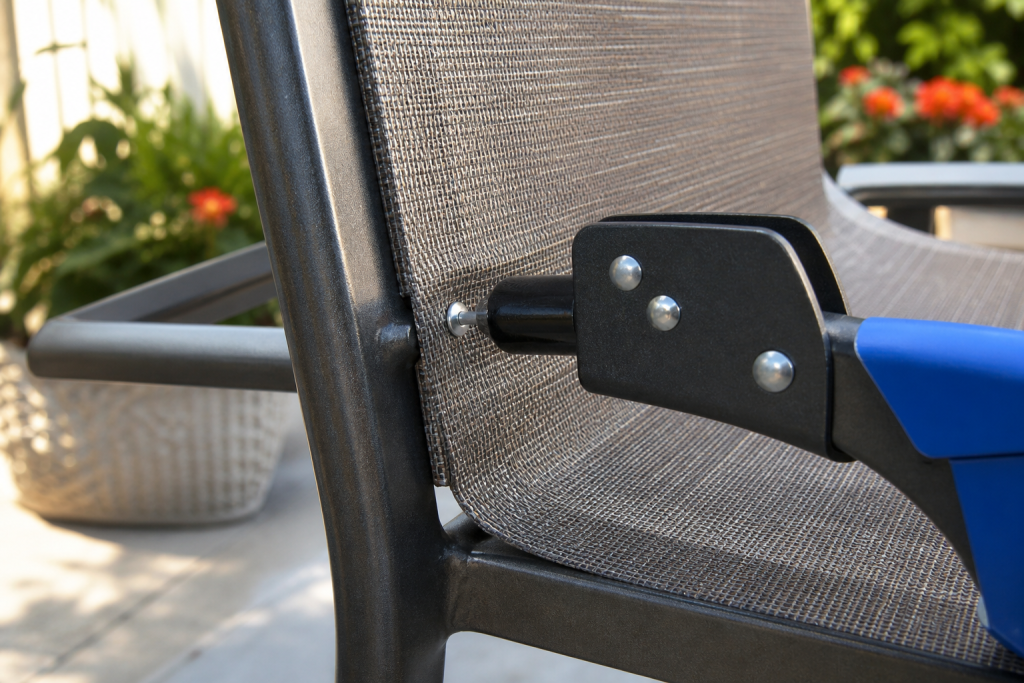
Chair Sling Rivets: 5 Proven Steps for Stronger Patio Furniture Repairs
Chair Sling Rivets are the unsung heroes of durable patio furniture, ensuring your outdoor seating remains robust and reliable season after season. When your beloved patio chairs start to show signs of wear, often it’s the rivets holding the sling fabric that give way first. Understanding how to properly work with these small but mighty fasteners can transform your worn-out chairs into sturdy, comfortable pieces once more.
This comprehensive guide delves into the world of chair sling repair, focusing specifically on the critical role of rivets. We’ll explore everything from the materials these rivets are made from to the essential tools you’ll need, and provide a step-by-step process for replacing them. By the end, you’ll have the knowledge and confidence to tackle your patio furniture repairs, ensuring stronger, longer-lasting results.
Key Takeaways
- Learn the different materials used for Chair Sling Rivets and why material choice matters for outdoor durability.
- Discover the essential tools required for effective rivet removal and installation, ensuring a smooth repair process.
- Follow 5 proven steps for replacing rivets, from preparation to final fastening, to achieve professional-grade results.
- Understand where to source high-quality rivets and how to select the correct size for your specific patio furniture.
- Gain insights into common reasons for rivet failure and how proper maintenance can extend the life of your repaired chairs.
Understanding Chair Sling Rivets: Materials and Importance
The integrity of your patio furniture often hinges on the quality and condition of its fasteners. Chair Sling Rivets are specifically designed to withstand the rigors of outdoor environments, providing a strong, permanent bond between the fabric sling and the chair frame. Their design allows for a secure attachment that can endure constant use, varying temperatures, and moisture exposure.
Choosing the right type of rivet is paramount for a lasting repair. The material composition directly impacts its resistance to corrosion, strength, and overall lifespan in an outdoor setting. Understanding these differences will help you make an informed decision for your repair project.
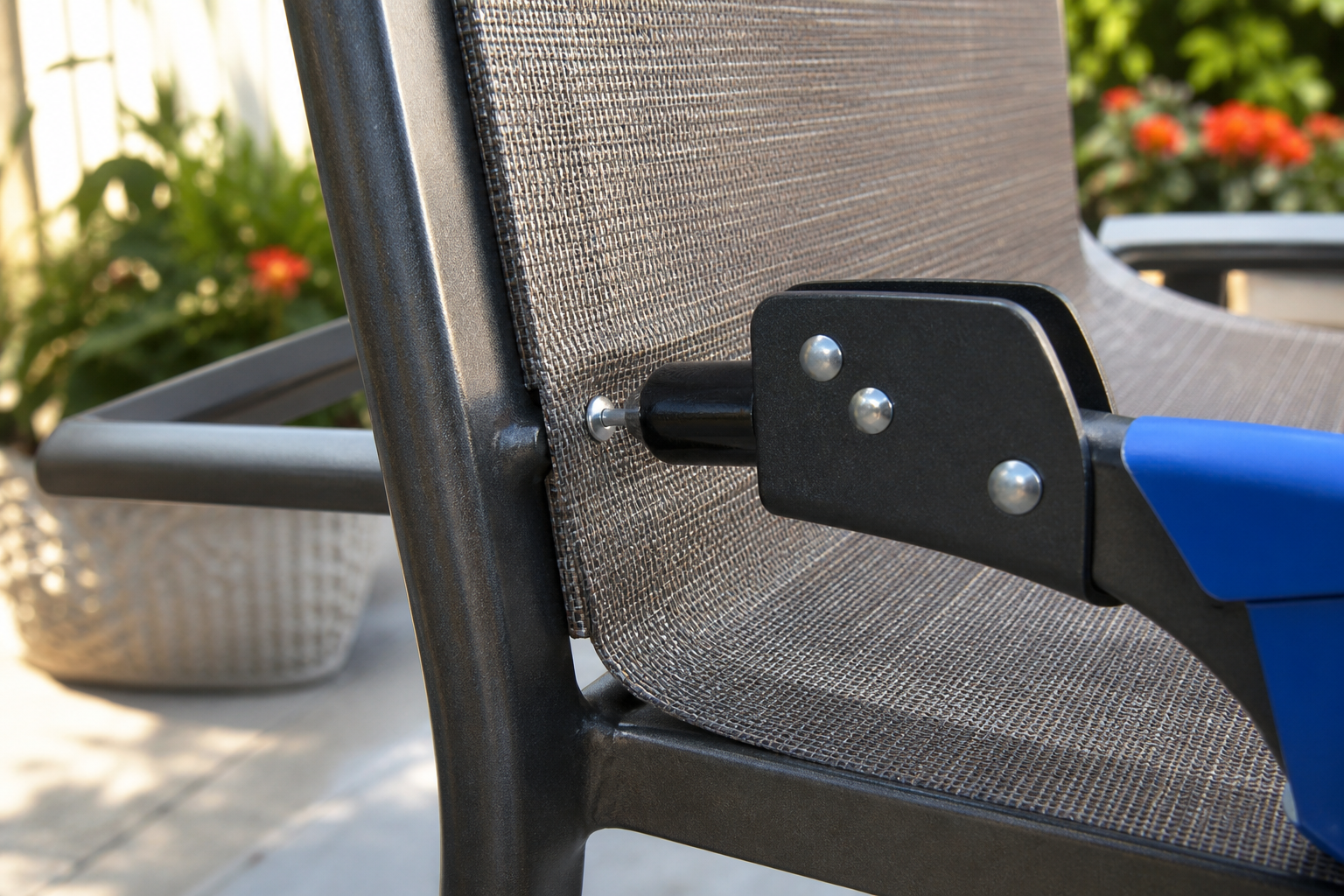
What are Chair Sling Rivets Made Of?
Chair sling rivets are typically manufactured from materials that offer a balance of strength and corrosion resistance. The most common materials are:
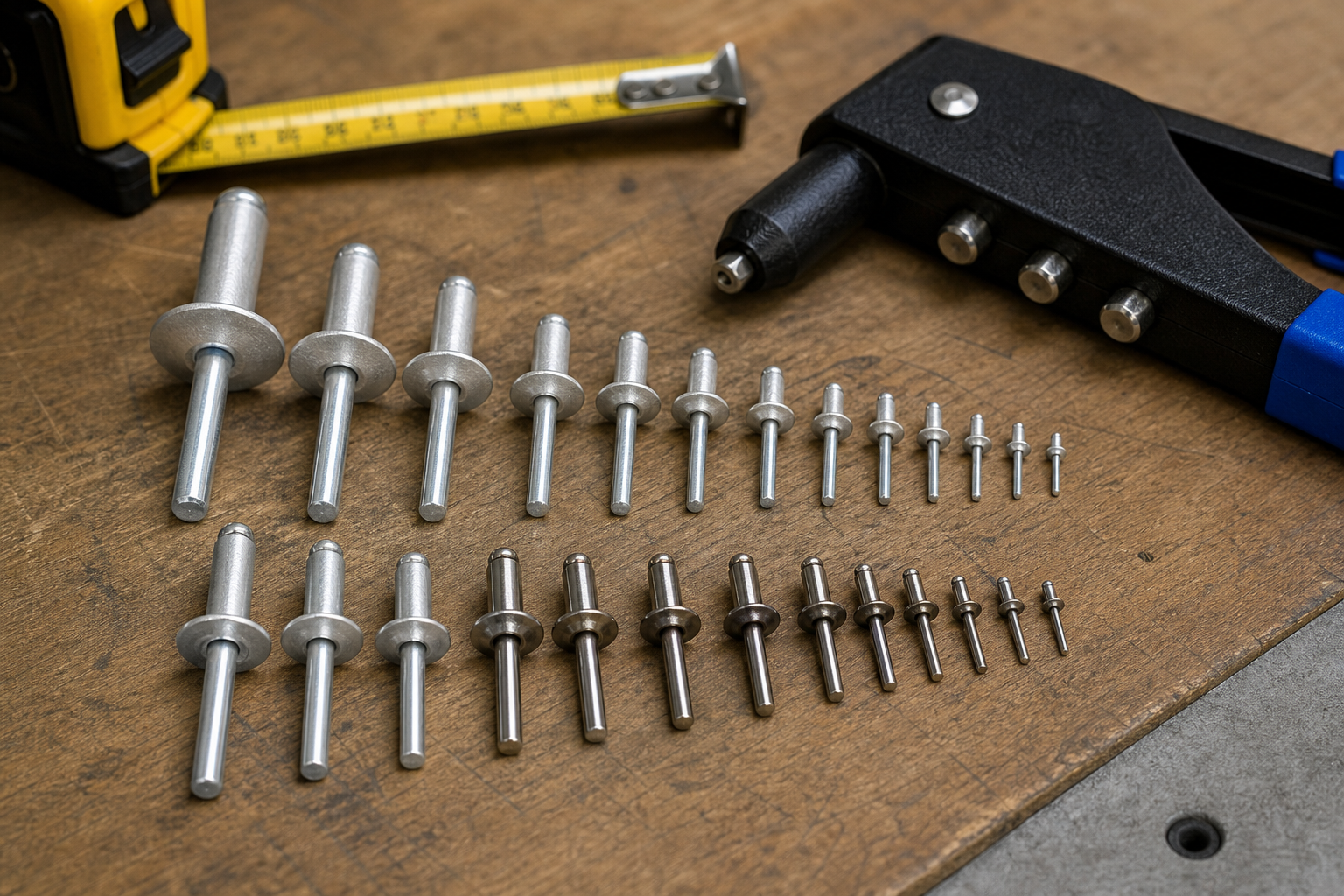
- Aluminum: Lightweight, highly resistant to rust, and relatively easy to install. Aluminum rivets are a popular choice for most general patio furniture repairs due to their excellent outdoor performance and affordability.
- Stainless Steel: Offers superior strength and exceptional resistance to corrosion, especially in harsh environments like coastal areas. Stainless steel rivets are ideal for high-stress applications or when maximum durability is required, though they are generally harder to install and more expensive.
While standard pop rivets might seem similar, those made from common steel or zinc-plated steel are not recommended for outdoor furniture. They lack the necessary corrosion resistance and will quickly rust, compromising the repair. Always opt for aluminum or stainless steel for your chair sling rivets.
Essential Tools for Working with Chair Sling Rivets
Before you begin any repair, gathering the right tools is crucial for a smooth and successful process. Working with chair sling rivets requires a few specialized items, but most are readily available at hardware stores or online. Having these tools on hand will ensure precision, safety, and efficiency during your patio furniture restoration.
What Tools Are Required to Install Chair Sling Rivets?
To effectively install and remove chair sling rivets, you will need the following:
- Rivet Gun (Rivet Tool): This is the primary tool for installing rivets. Manual rivet guns are common and affordable, while pneumatic (air-powered) rivet guns offer faster, less strenuous installation for larger projects.
- Electric Drill: Essential for drilling out old rivets and, if necessary, enlarging or cleaning existing holes.
- Drill Bits: You’ll need bits slightly larger than the diameter of the rivet mandrel for removal, and bits matching the rivet diameter for new installations.
- Safety Glasses: Non-negotiable. Always protect your eyes from flying debris during drilling and riveting.
- Center Punch (Optional but Recommended): Helps to accurately mark the center of the old rivet before drilling, preventing the drill bit from wandering.
- Hammer (Optional): Can be used with a center punch or to gently tap out stubborn rivet remnants.
- Clamps or Vise: To secure the chair frame, making the repair process safer and more stable.
How to Remove Old or Damaged Chair Sling Rivets
Removing old or damaged chair sling rivets is the first critical step in any repair. This process requires care to avoid damaging the chair frame. Here’s how to do it effectively:
- Safety First: Put on your safety glasses.
- Identify the Rivet Head: Most pop rivets have a distinct head on one side.
- Center Punch (Optional): Use a center punch and hammer to create a small indentation in the center of the rivet head. This guides your drill bit.
- Drill Out the Head: Select a drill bit that is slightly larger than the rivet’s central pin (mandrel) but smaller than the rivet’s head. Carefully drill through the center of the rivet head. Apply steady pressure and let the drill do the work. The head should eventually separate or pop off.
- Punch Out the Rivet Body: Once the head is removed, the remaining shaft of the rivet can usually be pushed out with a punch or a smaller drill bit. If it’s stubborn, a hammer can help tap it through.
- Clean the Hole: Ensure the hole is clear of any debris or old rivet material. This prepares it for the new chair sling rivets.
5 Proven Steps to Replace Chair Sling Rivets
Replacing chair sling rivets might seem daunting, but with the right approach, it’s a straightforward process that can significantly extend the life of your patio furniture. This section outlines five proven steps to ensure a strong, durable repair.
Selecting the Right Chair Sling Rivets
Before you even begin the installation, choosing the correct chair sling rivets is crucial. The right size and material will ensure a secure and lasting repair. You need to consider both diameter and grip range.
- Diameter: Common diameters for patio chair rivets are 3/16 inch (4.8mm) or 1/4 inch (6.4mm). Measure the existing rivet holes in your chair frame to determine the correct diameter.
- Grip Range: This refers to the total thickness of the materials being joined (the sling fabric and the chair frame). Measure this thickness and select a rivet with a grip range that encompasses your measurement. A rivet that’s too short won’t fasten properly, and one that’s too long won’t pull tight.
Can you use standard pop rivets for chair sling repairs? While functionally similar, it’s best to use rivets specifically designed for outdoor furniture, made from aluminum or stainless steel, to prevent premature corrosion. These specialized chair sling rivets are built for durability in outdoor conditions.
Step 1: Prepare the Chair Frame and Sling Fabric
Begin by thoroughly cleaning the chair frame and the area where the new sling fabric will attach. Remove any rust, dirt, or old adhesive. If you are replacing the entire sling, ensure the new fabric is cut to the correct dimensions and hemmed as needed. Align the new sling fabric with the chair frame, making sure all holes line up perfectly. Proper installation of chair sling rivets is crucial for the longevity of your patio furniture.
Step 2: Secure the Sling and Frame for Rivet Insertion
Use clamps to hold the sling fabric tightly in place against the chair frame. This prevents shifting during rivet installation and ensures a taut, professional finish. It’s often easiest to start with one rivet at a key point, then work your way around, maintaining tension on the fabric. If the holes don’t align perfectly, a small reamer or drill bit can gently widen them, but avoid making them too large.
Step 3: Insert and Fasten the First Rivet
Insert the rivet into the aligned hole. Place the nose piece of your rivet gun over the mandrel (the pin sticking out of the rivet). Squeeze the handles of the rivet gun firmly and repeatedly until you feel resistance and the mandrel snaps off. This indicates that the rivet has expanded and securely fastened the materials together. This ensures your new chair sling rivets create a secure, lasting bond.
Step 4: Repeat for All Remaining Rivets
Continue inserting and fastening the remaining chair sling rivets, working systematically around the chair. Maintain tension on the sling fabric as you go, ensuring there are no wrinkles or slack. For larger slings, it can be helpful to work from the center outwards or from one end to the other, alternating sides to distribute tension evenly.
Step 5: Inspect and Test the Repair
Once all rivets are installed, carefully inspect each one to ensure it is fully seated and tight. Check the sling fabric for proper tension and alignment. Gently test the chair by applying pressure to the sling. A well-executed repair using quality chair sling rivets should feel firm and stable, ready for years of outdoor enjoyment.
Restore Your Patio with Premium Chair Sling Rivets from Chair Sling Store
Ensure the longevity and aesthetic appeal of your outdoor furniture with our high-quality chair sling rivets and comprehensive repair parts.
Sourcing and Cost of Chair Sling Rivets
Finding the right chair sling rivets is a crucial step in your repair journey. The availability and cost can vary depending on the type, material, and quantity you need. Knowing where to look and what to expect financially will help you plan your project effectively.
Where to Buy Chair Sling Rivets and Repair Kits
You have several options when it comes to purchasing chair sling rivets:
- Specialized Patio Furniture Repair Parts Suppliers: Companies like Chair Sling Store specialize in outdoor furniture components, offering a wide selection of rivet sizes and materials (aluminum, stainless steel) specifically suited for patio chairs. They often provide comprehensive repair kits that include rivets, tools, and even sling fabric.
- Hardware Stores: Larger hardware chains typically carry a basic selection of pop rivets. However, their range of corrosion-resistant materials (aluminum, stainless steel) and specific sizes for furniture might be limited.
- Online Retailers: Websites like Amazon, eBay, and specialty fastener suppliers offer a vast array of rivets. Be sure to check product descriptions carefully for material, diameter, and grip range.
For specific sizes, materials, and quantities suitable for outdoor furniture, a dedicated supplier will offer the best selection and expert advice. They often understand the nuances of patio furniture construction.
What is the Cost of Chair Sling Rivets?
The cost of chair sling rivets is generally quite affordable, especially when compared to replacing an entire chair. Prices can vary based on:
- Material: Aluminum rivets are typically less expensive than stainless steel rivets.
- Quantity: Rivets are often sold in packs (e.g., 25, 50, 100). Buying in bulk usually reduces the per-rivet cost.
- Size: Larger diameter or longer grip range rivets might be slightly more expensive.
On average, you can expect to pay anywhere from $5 to $20 for a pack of 25-50 aluminum rivets. Stainless steel options might range from $10 to $30 for a similar quantity. Repair kits, which include a rivet gun and a selection of rivets, can cost between $25 and $60. Investing in quality chair sling rivets pays off in durability.
Where Can I Find Bulk Chair Sling Rivets for Commercial Use?
For commercial applications, such as repairing multiple chairs for a resort, restaurant, or community pool, buying chair sling rivets in bulk is the most economical option. Specialized fastener distributors and industrial suppliers are excellent sources for bulk purchases. Many online patio furniture repair parts stores also offer wholesale pricing for larger quantities. Always inquire about volume discounts directly with suppliers to ensure the best value for your commercial needs.
Maintaining Your Patio Furniture with Strong Chair Sling Rivets
Even the strongest chair sling rivets can eventually succumb to wear and tear if not properly maintained. Understanding why rivets break and how to prevent it can save you time and effort in future repairs. Proactive care ensures your patio furniture remains in top condition, providing comfort and style for many seasons.
Why Do Chair Sling Rivets Break or Wear Out?
Several factors contribute to the failure of chair sling rivets:
- Material Fatigue: Constant stress from sitting and movement can cause the rivet material to weaken over time.
- Corrosion: Exposure to moisture, humidity, and harsh chemicals (like pool chlorine) can lead to rust and material degradation, especially if non-corrosion-resistant rivets were used.
- UV Exposure: While rivets themselves are less affected, UV rays can degrade the surrounding sling fabric, putting more stress on the fasteners.
- Improper Installation: Rivets that are not fully seated or are of the wrong grip length will fail prematurely.
- Heavy Use: Chairs subjected to frequent, heavy use will naturally experience more stress on their components.
Can Screws Be Used as an Alternative to Chair Sling Rivets?
While screws can technically be used as an alternative to chair sling rivets, it’s generally not recommended for sling chairs. Rivets provide a flush, low-profile finish that prevents snagging and maintains the aesthetic of the chair. Screws, especially if not perfectly sized or installed, can protrude, catch on clothing, or even scratch users. Furthermore, screws can loosen over time with vibration and movement, requiring frequent tightening, whereas a properly installed rivet provides a permanent, secure bond.
For the best results and original appearance, stick with rivets.
Are Stainless Steel Rivets Recommended for Outdoor Chair Slings?
Yes, stainless steel rivets are highly recommended for outdoor chair slings, particularly in environments prone to corrosion such as coastal regions or areas with high humidity. Their superior resistance to rust and oxidation ensures a significantly longer-lasting and more durable repair compared to aluminum or zinc-plated options. While aluminum rivets are a good, more economical choice for many applications, stainless steel offers the ultimate in longevity and strength for demanding outdoor conditions.
Conclusion: Mastering Chair Sling Rivets for Durable Patio Repairs
Mastering the use of chair sling rivets is a vital skill for any patio furniture owner looking to extend the life and beauty of their outdoor pieces. By understanding the different materials, gathering the correct tools, and following our 5 proven steps for replacement, you can transform worn-out chairs into sturdy, reliable seating once more. Investing in quality rivets and performing careful installation ensures that your repairs are not just temporary fixes, but lasting improvements.
Regular inspection and proactive maintenance will further safeguard your patio furniture, allowing you to enjoy countless seasons of outdoor relaxation. With the knowledge gained from this guide, you are now equipped to confidently tackle your next patio chair repair, ensuring your outdoor living space remains both functional and inviting.
What are chair sling rivets made of?
Chair sling rivets are typically made from aluminum or stainless steel. Aluminum rivets are lightweight, corrosion-resistant, and commonly used for general outdoor furniture repairs. Stainless steel rivets offer superior strength and exceptional resistance to rust and corrosion, making them ideal for high-stress applications or marine environments. The choice depends on the specific furniture and environmental conditions.
How do you replace rivets on a patio chair sling?
Replacing chair sling rivets involves a few key steps: first, carefully drill out the old rivet head. Then, remove the old sling fabric if necessary. Position the new sling, align the holes, and insert the new rivet. Finally, use a rivet gun to securely fasten the new rivet, ensuring a tight and durable connection. Always wear safety glasses during this process.
Where can I buy chair sling rivets?
You can purchase high-quality chair sling rivets from specialized patio furniture repair parts suppliers like [TRASH] Chair Sling Store, hardware stores, or online retailers. For specific sizes, materials, and quantities suitable for outdoor furniture, a dedicated supplier will offer the best selection and expert advice.
What size rivets do I need for chair slings?
The correct chair sling rivet size depends on the thickness of your chair frame and the sling material. Common diameters are 3/16 inch or 1/4 inch, with lengths varying to accommodate different grip ranges. It’s crucial to measure the total thickness of the materials being joined to select a rivet with an appropriate grip length for a secure fit.
Can I use standard pop rivets for chair sling repairs?
While standard pop rivets can be used, it’s highly recommended to use rivets specifically designed for patio furniture. These are often made from corrosion-resistant materials like stainless steel or aluminum, which are better suited for outdoor exposure than common steel rivets. Choosing the right material ensures longevity and prevents premature failure.
Why do chair sling rivets break or wear out?
Chair sling rivets break or wear out due to a combination of factors including material fatigue, exposure to harsh weather elements (UV, moisture, temperature changes), heavy use, and improper installation. Over time, the stress from sitting and movement, coupled with corrosion, can weaken the rivet material, leading to failure.
What tools are required to install chair sling rivets?
To install chair sling rivets, you’ll need a rivet gun (manual or pneumatic), a drill with appropriate bit sizes for removing old rivets and pre-drilling holes, safety glasses, and potentially a punch or center punch for marking. Having a stable workbench or clamping system can also be very helpful for precise work.
Are stainless steel rivets recommended for outdoor chair slings?
Yes, stainless steel rivets are highly recommended for outdoor chair slings, particularly in corrosive environments like coastal areas or where moisture is prevalent. Their superior resistance to rust and corrosion ensures a longer-lasting and more durable repair compared to aluminum or zinc-plated options, though aluminum is also a good, more economical choice for many applications.
Restore Your Patio with Premium Chair Sling Rivets from [TRASH] Chair Sling Store
Ensure the longevity and aesthetic appeal of your outdoor furniture with our high-quality chair sling rivets and comprehensive repair parts.
Learn more from authoritative resources: Consumer Reports and HGTV.