
Furniture Feet Glide Materials: 6 Ultimate Patio Protection Options
Furniture Feet Glide Materials are essential for safeguarding your floors and extending the life of your outdoor furniture. Whether you are protecting delicate indoor flooring or ensuring your patio remains pristine, the right glides make a significant difference. Choosing the appropriate material prevents scratches, scuffs, and unnecessary wear, turning your furniture into a long-term investment rather than a source of constant worry.
This comprehensive guide will explore the diverse world of furniture glides, focusing on six powerful options designed for ultimate patio protection. We will delve into the unique properties of each material, helping you understand how to select the best glides for various furniture types and outdoor surfaces. Discover how a small change can lead to substantial benefits for your home and patio.
Key Takeaways
- Understand the critical role of Furniture Feet Glide Materials in protecting both furniture and flooring.
- Explore 6 powerful and ultimate options, including felt, plastic, rubber, PTFE, silicone, and metal, for diverse applications.
- Learn how to select the most resistant materials for outdoor furniture glides to withstand harsh weather and rough surfaces.
- Discover the benefits of specialized glides like PTFE for effortless movement and felt for delicate indoor floors.
- Gain practical tips on choosing the right furniture glide material to prevent scratches and enhance longevity for all your furniture.
Understanding Furniture Feet Glide Materials
The foundation of long-lasting furniture and pristine floors lies in the often-overlooked component: furniture glides. These small but mighty protectors act as a barrier between furniture legs and your flooring, preventing damage and facilitating movement. Understanding the different Furniture Feet Glide Materials is the first step toward making informed choices for your home.
Without proper glides, furniture legs can scratch hardwood, scuff tiles, or even wear down concrete over time. This damage is not only unsightly but can also be costly to repair. Glides also help reduce noise when moving furniture, contributing to a more peaceful environment. They are a simple solution with profound benefits.
The choice of material depends heavily on where the furniture will be used and the type of flooring it will rest upon. Indoor furniture on delicate surfaces requires different considerations than heavy outdoor pieces on rough patio concrete. Each material offers unique advantages in terms of durability, friction, and protective qualities.
Common Types of Furniture Feet Glide Materials
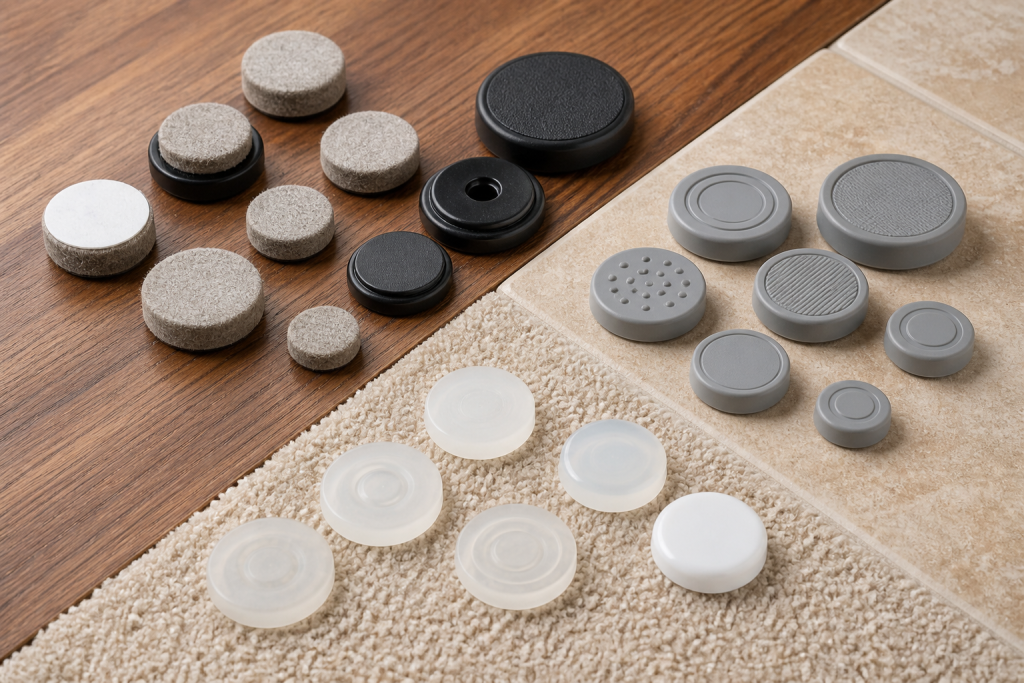
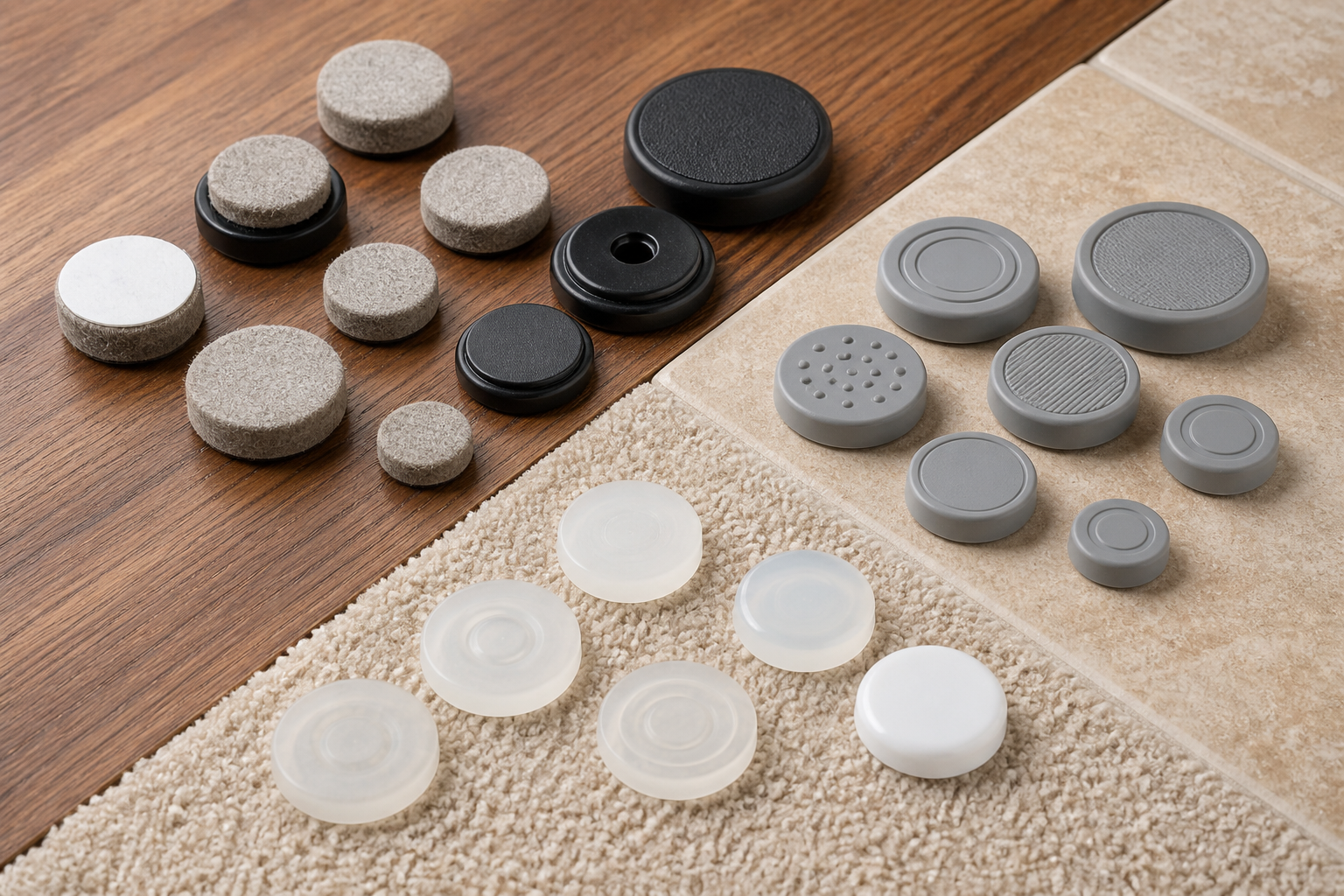
There is a wide array of furniture glide materials available, each designed for specific applications. The most common types include felt, various plastics (like HDPE, nylon), rubber, PTFE (Teflon), and silicone. Metal glides are also used, often with a protective coating or in conjunction with other materials for enhanced durability. Knowing these options helps in selecting the best fit.
Felt glides are renowned for their softness, making them ideal for hardwood. Plastic glides offer a balance of durability and low friction for general use. Rubber glides provide excellent grip, preventing unwanted sliding. PTFE glides are celebrated for their ultra-low friction, allowing furniture to slide effortlessly. Silicone glides combine grip with good floor protection, often with self-adhesive properties.
Each of these materials addresses different needs, from preventing scratches to ensuring stability. The right selection of Furniture Feet Glide Materials can significantly enhance the functionality and longevity of your furniture, while also preserving your valuable flooring surfaces.
6 Powerful Furniture Feet Glide Materials for Patio Protection
Protecting your patio and outdoor furniture from wear and tear requires specific, durable solutions. Outdoor environments present unique challenges, including exposure to elements, rough surfaces, and heavier furniture. Here are six powerful Furniture Feet Glide Materials that offer ultimate protection for your patio.
These materials are chosen for their resilience against moisture, UV rays, temperature fluctuations, and abrasive surfaces like concrete or pavers. Selecting the right glide ensures your patio furniture remains stable, easy to move when needed, and most importantly, prevents damage to your outdoor living space.
Consider the specific conditions of your patio, the weight of your furniture, and how often it will be moved when making your choice. Investing in high-quality glides is a small step that yields significant long-term benefits for both your furniture and your outdoor flooring.
1. Durable Plastic Furniture Feet Glide Materials (HDPE/Nylon)
High-density polyethylene (HDPE) and nylon are excellent choices for outdoor furniture glides. These plastics are highly resistant to moisture, UV radiation, and temperature changes, making them ideal for patio use. They offer a good balance of durability and low friction, allowing furniture to be moved without excessive effort.
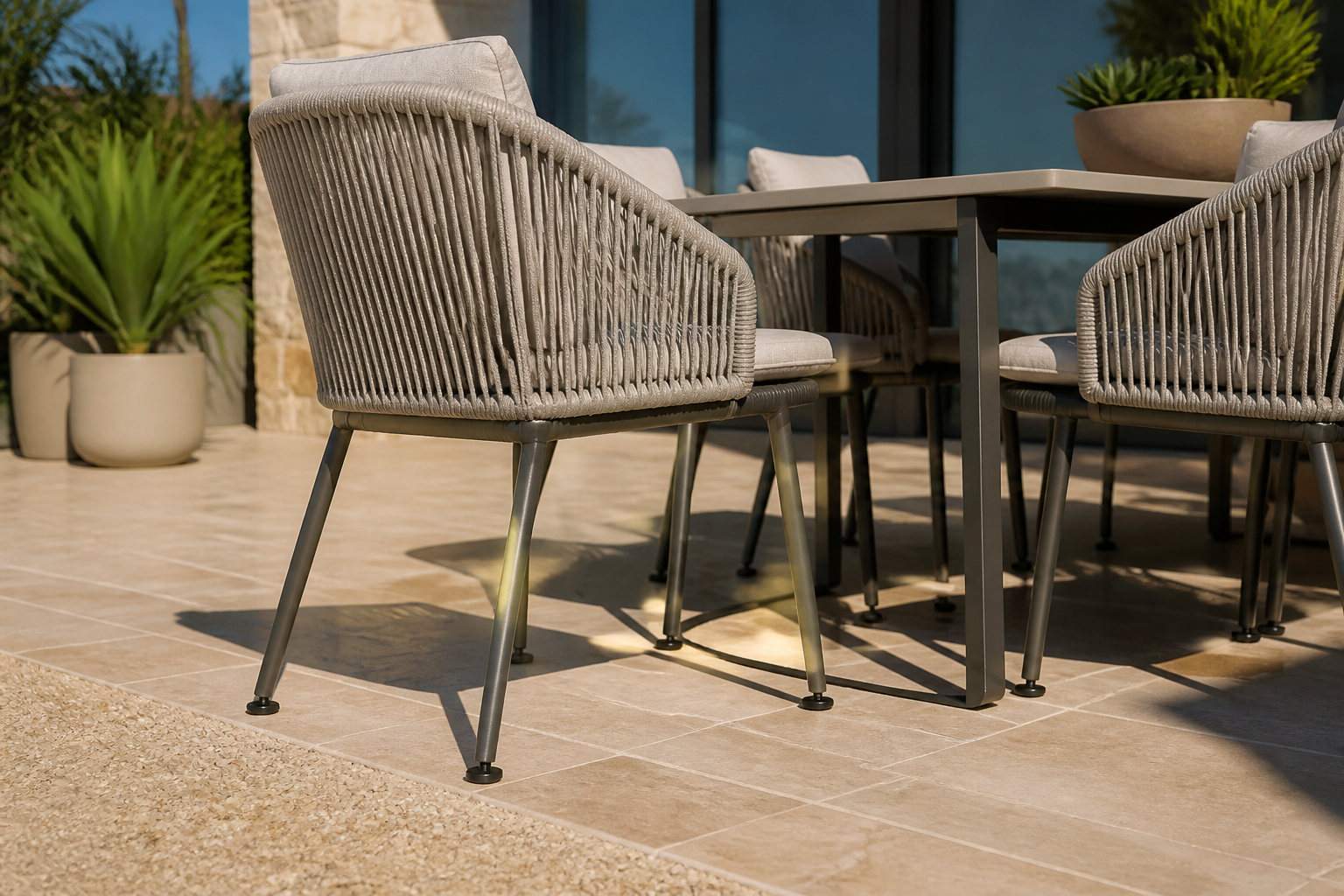
HDPE and nylon glides are particularly effective on concrete, pavers, and outdoor tile surfaces. They prevent direct contact between metal or wood furniture legs and the ground, thus reducing rust, rot, and scratches. Their robust nature means they can withstand the rigors of outdoor living, providing long-lasting protection.
2. Rubber Furniture Feet Glide Materials for Grip and Stability
Rubber glides are renowned for their superior grip and shock absorption. For outdoor furniture that needs to stay firmly in place, especially in windy conditions or on slightly uneven surfaces, rubber is an outstanding option. It prevents sliding and offers excellent stability, making it a safe choice for active outdoor spaces.
While rubber provides grip, it can sometimes leave scuff marks on lighter-colored concrete or tile if dragged forcefully. However, for preventing movement and providing cushioning, rubber Furniture Feet Glide Materials are hard to beat. They are also highly resistant to weather and can endure significant outdoor exposure.
3. PTFE (Teflon) Furniture Feet Glide Materials for Effortless Movement
Polytetrafluoroethylene (PTFE), commonly known as Teflon, offers an incredibly low-friction surface. These glides allow heavy patio furniture to slide effortlessly across various outdoor surfaces, including concrete, wood decks, and even some types of outdoor carpet. This ease of movement is a major benefit for rearranging furniture or cleaning.
PTFE glides are highly durable and resistant to moisture and chemicals, making them suitable for outdoor use. They prevent scratching and scuffing due to their smooth surface. For those who frequently reconfigure their patio layout or need to move large, heavy pieces, PTFE Furniture Feet Glide Materials are an ultimate solution.
4. Silicone Furniture Feet Glide Materials for Adhesion and Protection
Silicone glides offer a unique combination of flexibility, grip, and excellent floor protection. They are often used as caps or sleeves that fit snugly over furniture legs, providing a secure and protective barrier. Silicone is highly resistant to water, UV light, and extreme temperatures, making it a versatile outdoor option.
These glides prevent scratches and reduce noise, similar to felt, but with added durability and weather resistance. Their adhesive properties ensure they stay in place, making them ideal for furniture that sees moderate movement. Silicone Furniture Feet Glide Materials are also easy to clean and maintain, resisting the buildup of dirt and grime.
5. Felt Furniture Feet Glide Materials (Outdoor Grade)
While traditional felt is typically for indoor use, specialized outdoor-grade felt glides are available. These are often denser, treated for moisture resistance, and designed to withstand more abrasive outdoor surfaces than their indoor counterparts. They offer excellent scratch protection and quiet movement.
Outdoor felt glides are best suited for smoother patio surfaces, such as sealed concrete or composite decking, where maximum scratch prevention is desired. They provide a softer interface, reducing the risk of damage from heavy furniture. However, they may require more frequent replacement than harder plastic or metal options in very high-traffic areas.
6. Metal Furniture Feet Glide Materials with Protective Coatings
Metal glides, often made from stainless steel or aluminum, provide exceptional strength and durability. For outdoor use, these glides are typically coated with rust-resistant finishes or integrated with other materials like plastic or rubber to prevent direct metal-to-surface contact. They are ideal for very heavy furniture or commercial outdoor settings.
When properly coated, metal glides can withstand harsh outdoor conditions and offer robust support. They are particularly effective on rougher surfaces where other materials might quickly wear down. The key is ensuring the coating remains intact to prevent rust and potential floor damage. These are among the most resistant Furniture Feet Glide Materials for extreme conditions.
Protect Your Patio: Discover Custom Furniture Feet Glide Materials
At Chair Sling Store, we provide premium-quality replacement parts, including a diverse array of furniture feet glide materials, to extend the life of your outdoor furniture and floors.
Choosing the Right Furniture Feet Glide Materials
Selecting the optimal Furniture Feet Glide Materials involves considering several factors: the type of flooring, the weight of the furniture, how often the furniture is moved, and environmental conditions. Making the right choice ensures maximum protection and longevity for both your furniture and your floors.
For delicate indoor floors like hardwood, felt or PTFE glides are often recommended due to their soft or low-friction properties. For outdoor patios, durability and weather resistance become paramount. Here’s a guide to help you choose wisely.
Why Should I Use Specific Glide Materials for Different Flooring Types?
Using specific glide materials is crucial because different floors have varying levels of hardness and susceptibility to damage. A hard plastic glide that works well on concrete could scratch a hardwood floor. Conversely, a soft felt glide would quickly wear out on a rough concrete patio and offer little protection.
Matching the glide material to the flooring type prevents scratches, scuffs, and indentations. It also optimizes furniture movement and stability. For instance, rubber glides prevent sliding on smooth indoor floors, while PTFE glides allow heavy furniture to move easily across outdoor tiles without marring the surface.
How Do I Choose the Right Furniture Glide Material to Prevent Scratches?
To prevent scratches, the general rule is to choose a glide material that is softer than your flooring or provides a low-friction barrier. For hardwood and laminate, felt glides are excellent as they are soft and non-abrasive. PTFE (Teflon) glides also prevent scratches by allowing furniture to slide smoothly without dragging.
For outdoor surfaces like concrete or stone, durable plastics like nylon or HDPE, or even metal glides with protective pads, are suitable. These materials are hard enough to resist wear from rough surfaces but are designed to minimize abrasion. Always ensure glides are clean and free of embedded grit, which can cause scratches regardless of the material.
Installation and Maintenance Tips for Your Furniture Glides
Proper installation and regular maintenance are just as important as choosing the right Furniture Feet Glide Materials. Even the best glides will fail prematurely or cause damage if not correctly applied and cared for. Following these tips will maximize their effectiveness and extend their lifespan.
Incorrectly installed glides can fall off, leaving furniture legs exposed to the floor. Neglecting maintenance can lead to dirt and debris accumulating on glides, turning them into abrasive tools that can scratch surfaces. A little attention goes a long way in preserving your furniture and floors.
Best Self-Adhesive Furniture Glide Materials
Self-adhesive glides offer convenience and ease of installation. Felt and silicone are popular choices for self-adhesive applications. Felt pads adhere well to clean, dry surfaces and are excellent for indoor use on hardwood, laminate, and tile. They provide silent, scratch-free movement.
Silicone self-adhesive glides offer superior durability and moisture resistance, making them suitable for both indoor and some outdoor applications. They provide good grip and protection. When applying any self-adhesive glide, ensure the furniture leg is clean, dry, and free of grease for optimal adhesion. Press firmly and allow adequate curing time.
Where Can I Purchase Durable Furniture Glides Made from Various Materials?
Durable Furniture Feet Glide Materials can be purchased from a variety of sources. Specialty hardware stores, home improvement centers, and online retailers are excellent places to start. For a wide selection of high-quality replacement parts, including glides for outdoor furniture, consider visiting Chair Sling Store, which offers a range of options to suit different needs and furniture styles.
When purchasing, look for reputable brands and read reviews to ensure quality. For bulk suppliers or specialized industrial-grade glides, consider contacting manufacturers directly or searching B2B marketplaces. Always confirm the dimensions and attachment method (screw-in, nail-in, adhesive, or cap) before making a purchase.
Eco-Friendly and Heavy-Duty Options for Furniture Glides
As sustainability becomes increasingly important, so does the demand for eco-friendly products, even in small components like furniture glides. Simultaneously, the need for heavy-duty solutions for large or frequently moved furniture remains constant. Exploring these options helps cater to diverse consumer values and practical requirements.
The market for Furniture Feet Glide Materials is evolving, with innovations in both material science and design. Whether you prioritize environmental impact or sheer strength, there are solutions available that do not compromise on performance or protection.
Are There Eco-Friendly or Recycled Options for Furniture Glide Materials?
Yes, the market is seeing an increase in eco-friendly and recycled options for furniture glide materials. Some manufacturers are producing glides from recycled plastics, such as post-consumer HDPE or polypropylene. These offer similar durability and protective qualities to virgin plastics but with a reduced environmental footprint.
Additionally, some glides incorporate natural or sustainably sourced materials, or are designed for greater longevity to reduce waste. When seeking eco-friendly options, look for products explicitly labeled as made from recycled content or those from companies committed to sustainable manufacturing practices. You can often find more information on material science and sustainability from resources like ScienceDirect.
What Materials Are Used for Heavy-Duty Furniture Glides?
Heavy-duty furniture glides are engineered to withstand significant weight and frequent movement without deforming or failing. The materials typically used for these robust glides include high-density polyethylene (HDPE), nylon, and sometimes reinforced rubber or metal with protective bases. These materials offer superior strength and abrasion resistance.
For extremely heavy items like large outdoor dining tables or commercial patio furniture, glides might feature a combination of materials, such as a metal base with a durable plastic or PTFE sliding surface. These designs ensure maximum load-bearing capacity and smooth movement, even under challenging conditions. The construction of heavy-duty Furniture Feet Glide Materials focuses on preventing compression and maintaining structural integrity.
Conclusion: Ultimate Protection with the Right Furniture Feet Glide Materials
Choosing the correct Furniture Feet Glide Materials is a simple yet incredibly effective way to ensure the longevity of your furniture and the pristine condition of your floors. From the robust resilience of HDPE and nylon for outdoor patios to the effortless glide of PTFE and the protective cushion of felt, each material offers unique advantages tailored to specific needs. Understanding these options empowers you to make informed decisions that safeguard your investments.
By prioritizing the right glides, you not only prevent costly damage but also enhance the functionality and aesthetic appeal of your living spaces, both indoors and out. Whether you are seeking stability, ease of movement, or superior scratch prevention, there is a perfect glide solution waiting to be discovered. Make the smart choice today for ultimate protection and peace of mind.
What are the common types of furniture feet glide materials?
Common furniture feet glide materials include felt for delicate surfaces, plastic (like HDPE or nylon) for general use, rubber for grip, PTFE (Teflon) for low friction, and silicone for excellent floor protection and adhesion. The choice depends on the furniture and flooring type.
What is the best material for furniture glides on hardwood floors?
For hardwood floors, felt is often considered the best material for furniture glides due to its soft, non-abrasive nature, preventing scratches. PTFE (Teflon) is also excellent for easy, smooth movement without damaging hardwood, while silicone offers great protection and adhesion, making them ideal furniture feet glide materials.
How do felt furniture glides compare to plastic or rubber?
Felt furniture glides are superior for protecting delicate floors like hardwood or laminate, offering silent, scratch-free movement. Plastic glides are more durable but can scratch soft floors. Rubber glides provide excellent grip and prevent sliding but can scuff some surfaces, making them less ideal for frequent movement compared to specialized furniture feet glide materials.
Why should I use specific glide materials for different flooring types?
Using specific furniture feet glide materials ensures optimal floor protection, prevents scratches, and facilitates appropriate furniture movement. Hardwood requires soft materials like felt or PTFE, while outdoor concrete might benefit from durable plastic or metal glides to handle rougher conditions, preventing damage and extending furniture life.
What materials are used for heavy-duty furniture glides?
Heavy-duty furniture glides often utilize robust materials such as high-density polyethylene (HDPE), nylon, metal with a protective coating, or thick PTFE pads. These furniture feet glide materials are designed to withstand significant weight and frequent movement without deform or failing, offering maximum durability.
How do PTFE (Teflon) furniture glides work and what are their benefits?
PTFE (Teflon) furniture glides work by providing an extremely low-friction surface, allowing furniture to slide effortlessly across floors with minimal effort and no scratching. Their benefits include exceptional durability, ease of movement, and superior protection for all floor types, making them a top choice among furniture feet glide materials for smooth operation.
What are the pros and cons of silicone furniture feet vs. traditional felt?
Silicone furniture feet offer excellent grip, preventing sliding, and are highly durable, often adhering better than felt. However, they don’t slide as easily. Traditional felt glides provide smooth, scratch-free movement but can wear out faster and collect debris. The best furniture feet glide materials depend on desired mobility and floor protection requirements.
How do I choose the right furniture glide material to prevent scratches?
To prevent scratches, choose furniture feet glide materials that are softer than your flooring. For hardwood, felt or PTFE are ideal. For tiles, durable plastic or rubber might be suitable if they don’t leave marks. Always consider the weight of the furniture and frequency of movement to select the most appropriate option.
What is the most resistant material for outdoor furniture glides?
For outdoor furniture, the most resistant furniture feet glide materials are typically durable plastics like nylon or HDPE, and sometimes certain types of rubber or metal glides with rust-proof coatings. These materials withstand weather, UV exposure, and rougher outdoor surfaces better than indoor-specific options like felt, ensuring longevity.
How do different furniture glide materials affect ease of movement?
Furniture feet glide materials vary greatly in how they affect ease of movement. PTFE (Teflon) glides offer the least friction, making furniture extremely easy to slide. Felt glides also allow smooth movement on delicate surfaces. Rubber and silicone glides, conversely, prioritize grip and stability, making furniture harder to move but preventing unwanted sliding.