
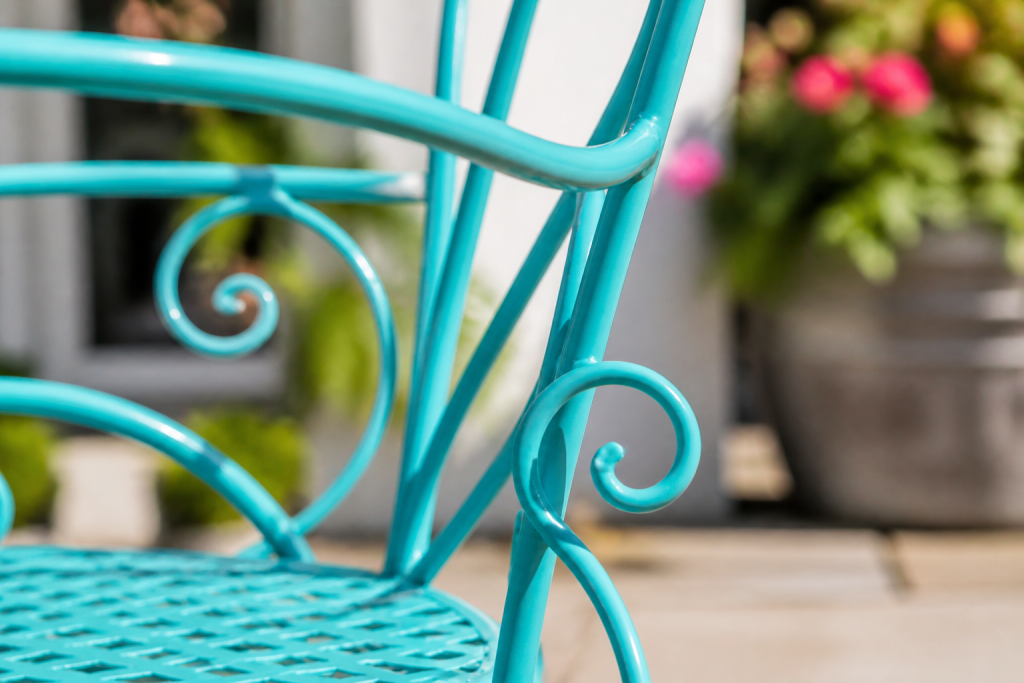
Patio Frame Paint: 6 Brilliant Ways to Renew Looks
Patio Frame Paint can completely transform your outdoor living space, breathing new life into tired or weathered furniture. Instead of replacing your beloved patio sets, a fresh coat of paint offers a cost-effective and remarkably satisfying way to achieve a stunning new aesthetic. This guide will walk you through the brilliant methods to revitalize your outdoor furniture, ensuring both beauty and lasting durability.
Renewing your patio frames is more than just a cosmetic upgrade; it’s an investment in extending the life of your furniture. Proper preparation and the right choice of paint can protect against rust, sun damage, and general wear, making your outdoor pieces resilient for years to come. Discover how to achieve professional-looking results with practical tips and expert advice.
Key Takeaways
- Understand the best types of Patio Frame Paint for various materials, including metal and aluminum, to ensure optimal adhesion and longevity.
- Learn essential preparation techniques, from cleaning and sanding to rust removal, crucial for a flawless and durable finish.
- Explore different application methods and discover durable paint options that withstand harsh outdoor elements like intense sun and moisture.
- Gain insights into maintaining your newly painted frames and addressing common issues like chipping, ensuring your furniture remains beautiful.
Choosing the Right Patio Frame Paint for Your Furniture
Selecting the ideal Patio Frame Paint is the first critical step in any successful furniture renewal project. The best type of paint for outdoor metal patio furniture frames, whether aluminum, wrought iron, or steel, is typically an exterior-grade, rust-inhibitive formula. These paints are specifically engineered to endure harsh weather conditions, UV radiation, and moisture without fading, cracking, or peeling.
For metal frames, epoxy-based paints, acrylic latex, and oil-based enamels are excellent choices. Epoxy paints offer superior durability and chemical resistance, while acrylic latex paints provide flexibility and good color retention. Oil-based enamels are known for their hard, protective finish, making them a robust option for high-traffic areas. Always check the product label to ensure it is suitable for outdoor metal use.
Understanding Different Types of Patio Frame Paint
When considering your options, you’ll encounter various formulations. Rust-inhibitive primers and paints are essential for ferrous metals like wrought iron and steel, actively preventing corrosion. For aluminum, a non-ferrous metal, adhesion is the primary concern, requiring specific primers designed to bond with its smooth surface. Understanding these distinctions ensures your Patio Frame Paint adheres properly and lasts.
Can you use automotive paint on your outdoor patio furniture frame? While automotive paints are durable, they are often designed for different substrates and environmental exposures. Specialized outdoor furniture paints are formulated to expand and contract with temperature changes and resist UV damage unique to patio settings, making them generally a better choice for longevity and performance.
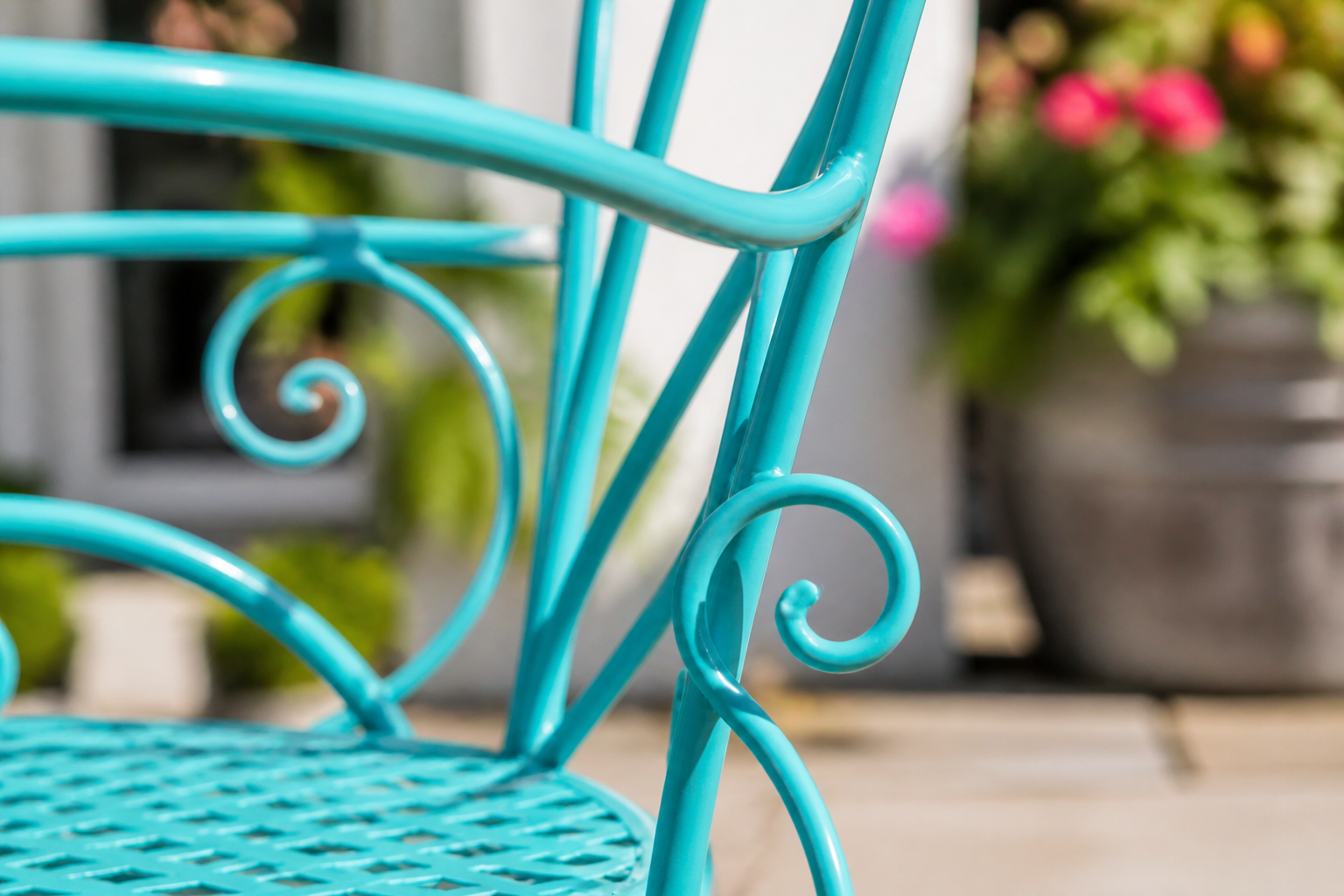
Essential Preparation for Your Patio Frame Paint Project
Proper preparation is paramount to the success and longevity of any Patio Frame Paint application. Skipping steps here will inevitably lead to a subpar finish that chips, peels, or rusts prematurely. A thorough cleaning, sanding, and priming routine lays the foundation for a professional-quality result that will stand the test of time and elements.
To prepare a rusty patio frame for repainting, begin by removing all loose rust and flaking paint. A wire brush, sandpaper (medium to fine grit), or even a power sander can be used for this. Once the loose debris is gone, apply a rust-inhibiting primer. For heavily rusted areas, a rust converter product can chemically transform rust into a stable, paintable surface, offering an extra layer of protection before your main Patio Frame Paint goes on.
Priming for Optimal Patio Frame Paint Adhesion
The type of primer you use depends heavily on the material of your patio frame. For an aluminum patio frame, which has a very smooth surface, an etching primer or a self-etching primer is crucial. These primers create a slightly rougher surface at a microscopic level, allowing the Patio Frame Paint to adhere securely and prevent future peeling or flaking. Without proper priming, even the best paint will struggle to bond effectively with aluminum.
Should you sand or strip old paint from your patio frame before applying new paint? Yes, sanding is almost always necessary. Light sanding with fine-grit sandpaper (e.g., 220-grit) creates a
Ready to Revitalize Your Patio Frame Paint Project?
[TRASH] Chair Sling Store provides all the premium parts and guidance you need to ensure your patio furniture restoration is a lasting success. From new slings to essential tools, we support your DIY efforts.
Frequently Asked Questions About Patio Frame Paint
What is the best type of paint for outdoor metal patio furniture frames?
The best patio frame paint for outdoor metal furniture is typically an exterior-grade, rust-inhibitive paint like epoxy-based, acrylic latex, or oil-based enamel. Look for products specifically designed for metal and outdoor exposure, offering UV and weather resistance.
How do I prepare a rusty patio frame for repainting?
To prepare a rusty patio frame, first remove loose rust with a wire brush or sandpaper. Then, apply a rust-inhibiting primer before applying your chosen patio frame paint. For heavy rust, a rust converter product can be very effective.
What kind of primer should be used on an aluminum patio frame?
For an aluminum patio frame, use an etching primer or a self-etching primer specifically designed for non-ferrous metals. This type of primer helps the patio frame paint adhere securely to the smooth aluminum surface, preventing peeling.
What are the most durable paint options for patio frames exposed to sun?
For frames exposed to intense sun, acrylic latex paints with UV-resistant additives or marine-grade enamels offer excellent durability. These options for patio frame paint resist fading and cracking, maintaining their finish longer.
Why is my patio furniture paint chipping and how can I prevent it?
Chipping patio furniture paint often results from improper surface preparation, incompatible paint layers, or lack of primer. Prevent chipping by thoroughly cleaning, sanding, and priming the frame before applying high-quality outdoor patio frame paint.
What are the step-by-step instructions for painting a wrought iron patio frame?
For wrought iron, start by cleaning, degreasing, and removing loose rust. Apply a rust-inhibitive primer, then two thin coats of an exterior metal patio frame paint, allowing each coat to dry completely. A clear topcoat can add extra protection.
Is it worth repainting old patio furniture frames, or should I buy new?
Repainting old patio furniture frames is often a cost-effective and sustainable alternative to buying new. With proper preparation and a good quality patio frame paint, you can achieve a refreshed look and significantly extend the life of your furniture.
What specific brands of outdoor paint are recommended for metal patio frames?
Recommended brands for metal patio frame paint include Rust-Oleum (especially their Stops Rust line), Krylon, Behr, and Valspar. These brands offer a variety of colors and finishes suitable for outdoor metal applications.
How long does a good quality patio frame paint job usually last?
A good quality patio frame paint job, with proper surface preparation and application of durable outdoor paint, can typically last 3-7 years. Longevity depends on paint type, environmental exposure, and initial prep work.
Should I sand or strip old paint from my patio frame before applying new paint?
Yes, sanding is usually necessary to create a smooth surface for new patio frame paint adhesion. If the old paint is severely peeling or incompatible, stripping it completely is recommended for the best and most durable finish.
Learn more from authoritative resources: Consumer Reports and HGTV.