
Outdoor Furniture Spray Paint: 7 Brilliant Tips for a Flawless Finish
Outdoor Furniture Spray Paint can utterly transform your worn-out patio pieces, breathing new life into faded chairs, tables, and decor. Instead of discarding beloved items, a strategic application of high-quality spray paint offers a cost-effective and remarkably satisfying path to revitalization. This guide provides seven brilliant tips to ensure your next outdoor furniture spray paint project yields a flawless, durable, and stunning finish.
Achieving professional-looking results with this type of paint requires more than just picking up a can. It demands meticulous preparation, informed product selection, and precise application techniques. We will delve into each crucial step, empowering you to tackle your next DIY project with confidence and expertise. Prepare to turn your outdoor space into a vibrant, inviting oasis with beautifully restored furniture.
Key Takeaways
- Master surface preparation, including cleaning and priming, to ensure optimal adhesion and longevity for your Outdoor Furniture Spray Paint project.
- Select the correct type of exterior paint specifically formulated for your material, whether it’s metal, plastic, or wood, to guarantee durability.
- Learn expert application techniques to achieve smooth, even coats and prevent common issues like drips and uneven coverage.
- Understand the importance of weather-resistant and UV-protective finishes to maximize the lifespan of your newly painted outdoor furniture.
- Discover effective troubleshooting methods for common spray painting challenges, ensuring a consistently high-quality result.
- Identify reliable sources and brands for purchasing the best outdoor paints, balancing cost with performance.
- Explore creative color and finish options to personalize your outdoor space, along with tips for removing old paint for a fresh start.
Mastering Outdoor Furniture Spray Paint: The Foundation of a Flawless Finish
The secret to a long-lasting and beautiful finish with any exterior paint lies not in the spraying itself, but in the meticulous preparation that precedes it. Skipping this crucial phase is the most common reason for paint failure, leading to peeling, chipping, and an overall unsatisfactory result. Proper preparation ensures optimal adhesion, creating a smooth canvas for your new color.
This foundational work involves thorough cleaning, necessary repairs, and often, strategic sanding. Each step contributes significantly to the final outcome, making your effort worthwhile. Investing time here will save you frustration and rework later, guaranteeing a finish that stands up to the elements and time.
Cleaning and Repairing Your Furniture for a Flawless Finish
Before any paint can touch the surface, your outdoor furniture must be impeccably clean. Begin by removing all loose dirt, dust, and debris. A stiff brush or a pressure washer can be highly effective for this initial pass. Next, wash the furniture thoroughly with a mild detergent and water, scrubbing away grime, mildew, and any lingering residues. Rinse completely and allow the piece to dry fully.
This step is critical; applying spray paint to a dirty or damp surface will compromise adhesion and lead to peeling.
Inspect your furniture for any damage. For metal pieces, address rust spots by sanding them down to bare metal or using a rust-converting primer. For wood, fill any cracks or holes with outdoor wood filler and sand smooth. Plastic furniture might need minor repairs with appropriate plastic fillers. Ensure all surfaces are sound and stable before proceeding. For comprehensive repair solutions, including sling replacements and parts, explore options at Chair Sling Store.
The Importance of Primer for Outdoor Furniture Spray Paint
Many DIY enthusiasts wonder, “Do I need to use a primer before spray painting outdoor furniture?” The answer is almost always yes. Primer creates a uniform, adhesive base that allows your chosen paint to bond effectively, especially on challenging surfaces like bare metal, plastic, or heavily weathered wood. It also helps to block stains, prevent rust, and ensure your topcoat color appears true and vibrant.
Choose a primer specifically formulated for your furniture material and intended for outdoor use. For metal, a rust-inhibiting primer is essential. For plastic, a primer designed for plastics will ensure superior adhesion and flexibility. Wood benefits from an exterior wood primer that seals pores and prevents tannin bleed-through. Applying primer is a small extra step that yields significant improvements in durability and finish quality.
Choosing the Best Outdoor Furniture Spray Paint for Every Material
The market offers a vast array of options, making it crucial to select the right product for your specific project. Different materials require different formulations to ensure proper adhesion, flexibility, and resistance to outdoor elements. Understanding these distinctions is key to a successful and long-lasting finish.
“What type of spray paint is best for outdoor furniture?” is a common query. Generally, look for paints labeled “exterior,” “all-surface,” or “weather-resistant.” These typically feature acrylic or enamel formulas designed to withstand UV rays, moisture, and temperature fluctuations without fading, cracking, or peeling.
Selecting the Right Spray Paint for Metal Furniture
Metal outdoor furniture, such as wrought iron or aluminum, demands a robust spray paint that can resist rust and corrosion. For these pieces, an oil-based enamel or an acrylic enamel spray paint is often the best choice. Many brands offer specialized “rust-inhibiting” or “direct-to-metal” formulas that bond exceptionally well and provide superior protection against the elements.
Ensure the paint is flexible enough to prevent chipping on metal surfaces that might experience minor flexing. Applying multiple thin coats, rather than one thick coat, will enhance durability and create a smoother finish. This is a critical step in achieving a professional look.
Specialized Outdoor Furniture Spray Paint for Plastic
“Can you spray paint plastic outdoor furniture?” Absolutely, but it requires specific products. Regular spray paint often struggles to adhere to plastic and can easily peel or scratch off. Look for an exterior spray paint explicitly labeled for use on plastics, or an “all-surface” paint that lists plastic as a compatible material. These paints contain additives that allow them to flex with the plastic, preventing cracking and peeling.
A plastic-specific primer can further enhance adhesion and durability. Always test the paint on an inconspicuous area first to ensure compatibility and desired results. This careful selection ensures your plastic furniture maintains its refreshed appearance.
Considerations for Wood and Wicker Furniture
For wooden and wicker outdoor furniture, the primary concerns are moisture resistance and flexibility. An exterior-grade acrylic latex or enamel spray paint works well. These paints are designed to expand and contract with the wood, minimizing cracking. For wicker, a flexible paint is essential to prevent chipping as the material moves.
Ensure any bare wood is properly primed to seal the grain and prevent moisture absorption. For wicker, thorough cleaning to remove dirt from crevices is paramount before painting. This attention to detail ensures a beautiful and lasting finish on these natural materials.
Application Techniques for a Professional Outdoor Furniture Spray Paint Result
Once your furniture is prepped and you have chosen the ideal product, the application process itself becomes paramount. Proper technique ensures a smooth, even, and durable finish, free from common imperfections like drips, runs, and uneven color. This phase requires patience and a steady hand.
Always work in a well-ventilated area, ideally outdoors on a calm, non-windy day. Protect surrounding areas with drop cloths or old newspapers. Wear appropriate personal protective equipment, including gloves and a respirator, to avoid inhaling paint fumes. For more detailed application guidelines, consult resources like The Paint Quality Institute’s guide to painting techniques.
Achieving Even Coverage with Spray Paint
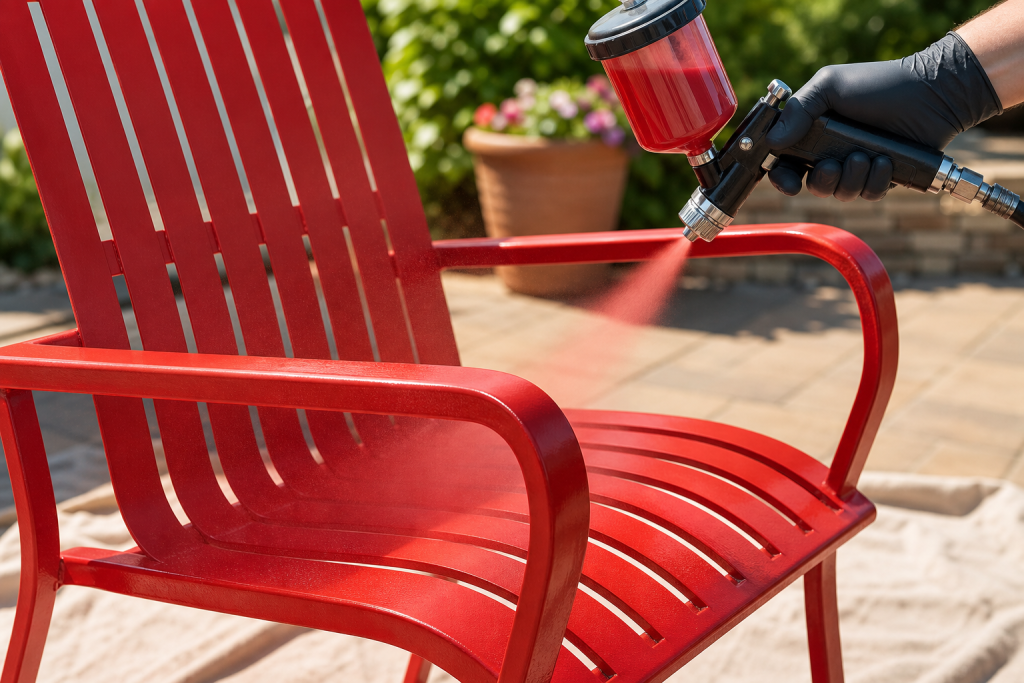
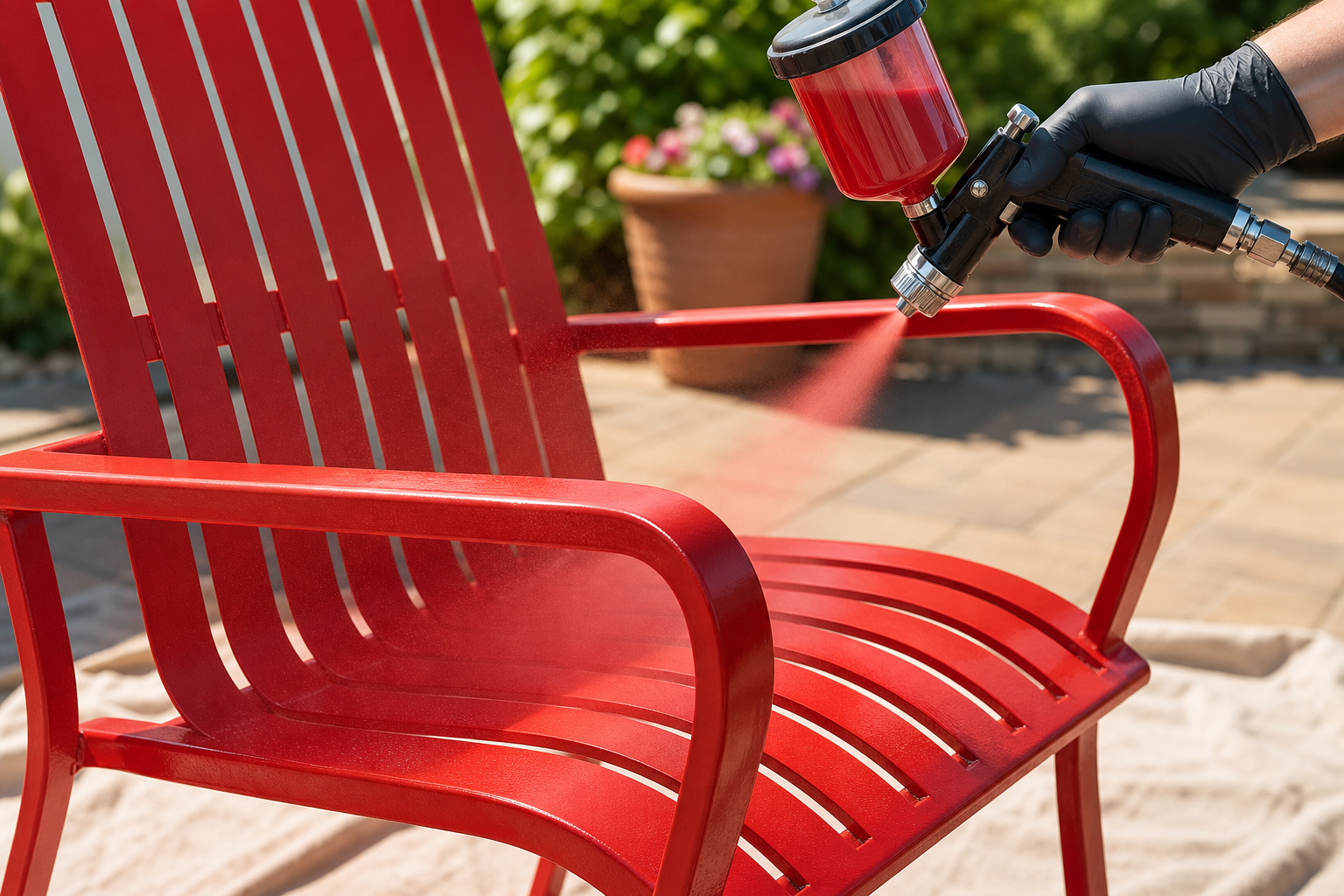
The key to even coverage is applying multiple thin coats rather than one thick one. Hold the spray can approximately 8-12 inches from the surface and move it in a steady, sweeping motion, overlapping each pass slightly. Avoid stopping the spray mid-stroke; instead, release the nozzle at the end of each pass and begin spraying again before the next pass. This prevents paint from pooling in one spot.
Rotate the furniture as you work to ensure all angles and hidden areas receive adequate coverage. Allow each thin coat to dry to the touch according to the manufacturer’s instructions before applying the next. This typically takes 15-30 minutes, depending on humidity and temperature.
Avoiding Drips and Runs with Outdoor Furniture Spray Paint
Drips and runs are common frustrations when using spray paint. They usually occur when too much paint is applied in one area or when coats are too thick. To prevent this, adhere strictly to the “multiple thin coats” rule. If you notice a drip forming, stop spraying immediately and allow the paint to dry completely. Once dry, you can often gently sand down the drip with fine-grit sandpaper and then reapply a light coat.
Maintaining a consistent distance from the surface and keeping the can in motion are also crucial. If you’re working on intricate pieces, consider using a spray gun attachment for better control and reduced finger fatigue. These simple adjustments can make a significant difference in your final finish.
Ensuring Durability: The Most Durable Outdoor Furniture Spray Paint
The longevity of your revitalized outdoor furniture hinges on the durability of the paint you choose and how well it’s protected. Outdoor elements can be harsh, with UV rays causing fading, rain leading to rust or rot, and temperature fluctuations causing cracking. Selecting products designed to combat these challenges is essential.
“What is the most durable spray paint for outdoor furniture?” For maximum durability, look for paints with high acrylic or epoxy content, often labeled as “enamel” or “marine grade.” These formulations offer superior resistance to chipping, fading, and weathering, ensuring your furniture remains pristine.
Weather-Resistant Outdoor Furniture Spray Paint Options
When considering “Which outdoor furniture spray paint is waterproof or weather-resistant?”, almost all paints marketed for outdoor use will offer some degree of weather resistance. However, some excel more than others. Look for features like “UV protection” to prevent sun-induced fading, “rust-inhibiting” for metal, and “flexible” for plastic or wicker.
These specialized formulations create a robust barrier against moisture, preventing water penetration that can lead to material degradation. A high-quality weather-resistant product will maintain its color and integrity for years, even under challenging conditions, making it a worthwhile investment.
Top Coats and Sealants for Enhanced Longevity
To further enhance the durability and lifespan of your project, consider applying a clear protective top coat. A clear coat, often available in matte, satin, or gloss finishes, adds an extra layer of defense against scratches, UV damage, and moisture. Ensure the top coat is compatible with your chosen paint and is also rated for outdoor use.
Applying a sealant, especially for wooden furniture, can also provide an additional barrier against the elements. This extra step can significantly extend “How long does spray paint for outdoor furniture typically last?”, often pushing its lifespan beyond the typical 1-5 years, depending on exposure and product quality.
Troubleshooting Common Issues with Outdoor Furniture Spray Paint
Even with the best preparation and technique, issues can sometimes arise. Understanding how to troubleshoot common problems can save your project and ensure a flawless finish. One of the most frequent complaints is peeling paint.
“Why is my outdoor furniture spray paint peeling?” This issue almost always stems from inadequate surface preparation. Addressing the root cause is essential for a lasting repair, rather than just covering up the problem.
Preventing Peeling and Fading of Painted Furniture
Peeling paint is typically a result of poor adhesion. This can be caused by:
- Insufficient Cleaning: Dirt, grease, or mildew preventing the paint from bonding.
- Lack of Sanding: A smooth, glossy surface doesn’t provide enough “tooth” for paint to grip.
- No Primer: Especially on bare or difficult surfaces, primer is crucial for adhesion.
- Moisture: Painting on a damp surface traps water, leading to peeling.
- Incompatible Products: Using a paint that isn’t designed for the material or over an incompatible primer.
To fix peeling, you must sand down the affected areas, clean thoroughly, and reapply primer and paint. Fading, on the other hand, is usually due to UV exposure. Using UV-resistant paints and topcoats can prevent this, maintaining the vibrancy of your furniture for longer.
Revitalize Your Patio: Explore Outdoor Furniture Spray Paint & Parts at Chair Sling Store
Beyond just paint, we offer premium sling replacements and essential repair parts to truly transform your outdoor living space with lasting elegance.
Where to Find Quality Outdoor Furniture Spray Paint and Accessories
Acquiring the right products is a fundamental step in any successful DIY project. Knowing “Where can I buy outdoor furniture spray paint?” and understanding the associated costs will help you budget and plan effectively. Quality products often lead to better results and greater longevity, saving you time and money in the long run.
Most major hardware stores, home improvement centers, and even large online retailers stock a wide selection of exterior-grade spray paints. Look for reputable brands and read reviews to gauge performance and durability, ensuring you make an informed choice.
Popular Brands for Outdoor Spray Paint
Several brands consistently receive high marks for their outdoor furniture spray paint products. Rust-Oleum, Krylon, and Valspar are widely recognized names that offer extensive lines of exterior-grade spray paints suitable for various materials. These brands often provide specific formulas for plastic, metal, and wood, along with primers and clear coats.
When considering “Which brands make outdoor furniture spray paint?”, researching product lines like Rust-Oleum Painter’s Touch 2X Ultra Cover, Krylon Fusion All-In-One, or Valspar Project Perfect can guide your selection. Each offers a range of colors and finishes designed for outdoor resilience, ensuring a professional outcome.
Understanding Outdoor Spray Paint Cost
“How much does outdoor furniture spray paint cost?” The price of a can of spray paint can vary significantly based on the brand, type, and specialized features (e.g., rust-inhibiting, plastic adhesion). Generally, a single 12-ounce can might range from $5 to $15. While it might be tempting to opt for the cheapest option, investing in a slightly higher-quality paint often pays off in terms of durability, coverage, and a superior finish.
Factor in the cost of primer, sandpaper, cleaning supplies, and any protective topcoats. While the initial outlay might seem more than a single can, the overall cost is still far less than replacing your furniture, making it a very economical choice for revitalization.
Creative Finishes and Color Options with Outdoor Furniture Spray Paint
Beyond simply restoring, exterior spray paint offers an incredible opportunity for creative expression. You can completely reimagine your outdoor space by experimenting with colors, textures, and even multi-color designs. This allows for personalization that store-bought furniture often lacks, making your patio truly unique.
“What colors are available for outdoor furniture spray paint?” The palette is virtually limitless, ranging from classic blacks and whites to vibrant blues, greens, and reds. Many brands also offer metallic, hammered, or textured finishes that can add a unique touch to your pieces.
Exploring Colors and Textures in Exterior Spray Paint
Don’t be afraid to step outside the box with your color choices. A bold color can make a statement, while muted tones can create a serene atmosphere. Consider the existing colors in your outdoor space, including cushions, landscaping, and exterior house colors, to create a cohesive look.
Textured finishes, such as hammered metal or stone effects, can mimic more expensive materials and add visual interest. Matte finishes offer a modern, sophisticated look, while gloss finishes provide a classic, polished appearance. Experimentation with different types of spray paint can yield truly unique results, reflecting your personal style.
Removing Old Spray Paint for a Fresh Start
Sometimes, to achieve a truly flawless finish, you need to start from scratch. “How do you remove old spray paint from outdoor furniture?” depends on the material and the type of paint. For metal, chemical paint strippers can be effective, followed by sanding. Always wear protective gear and work in a well-ventilated area when using strippers.
For wood, sanding is often the best approach. Start with a coarser grit to remove the bulk of the paint, then move to finer grits for a smooth finish. For plastic, paint removal can be trickier, as harsh chemicals can damage the plastic. Light sanding or specialized plastic-safe paint removers might be necessary. Thorough removal ensures your new paint adheres perfectly and looks its best.
Your Invitation to Lasting Rejuvenation
Revitalizing your outdoor living space with Outdoor Furniture Spray Paint is a rewarding endeavor that combines practicality with creative expression. By adhering to these seven brilliant tips—from meticulous preparation and informed product selection to expert application and proactive troubleshooting—you can achieve a finish that is not only visually stunning but also remarkably durable. This process empowers you to transform tired, faded pieces into vibrant focal points, extending their lifespan and enhancing the aesthetic appeal of your patio or garden.
Embrace the opportunity to personalize your outdoor environment, creating a space that reflects your style and provides lasting enjoyment. With the right approach, your next outdoor furniture spray paint project will undoubtedly yield a flawless result, proving that a little effort can lead to a significant transformation.
What type of spray paint is best for outdoor furniture?
The best outdoor furniture spray paint is typically designed for exterior use, offering weather resistance, UV protection, and adhesion to various materials like metal, plastic, and wood. Look for brands specifically labeled for ‘outdoor’ or ‘all-surface’ use, often acrylic-based or enamel formulas.
How do I prepare outdoor furniture for spray painting?
Proper preparation is key for a lasting outdoor furniture spray paint finish. Start by cleaning the furniture thoroughly to remove dirt and grime. Sand any rough spots or peeling paint, then wipe it down to ensure a dust-free surface. Priming is often recommended, especially for bare or porous materials.
Can you spray paint plastic outdoor furniture?
Yes, you can spray paint plastic outdoor furniture, but it requires the right product. Choose an outdoor furniture spray paint specifically formulated for plastic, as these contain additives for better adhesion and flexibility. A plastic-specific primer can also significantly improve the durability of your spray paint finish.
What are the steps to spray paint metal outdoor furniture?
To spray paint metal outdoor furniture, first clean and lightly sand the surface to remove rust or old paint. Apply a rust-inhibiting primer designed for metal, then follow with 2-3 thin, even coats of outdoor furniture spray paint. Allow adequate drying time between coats and before use for optimal adhesion and durability.
Why is my outdoor furniture spray paint peeling?
Outdoor furniture spray paint can peel due to improper surface preparation, such as not cleaning or sanding adequately, or applying the paint to a wet or dirty surface. Using incompatible primer or paint, applying coats too thick, or not allowing sufficient drying time can also lead to peeling and a compromised finish.
What is the most durable spray paint for outdoor furniture?
For the most durable outdoor furniture spray paint, opt for products with high acrylic or epoxy content, often labeled as ‘enamel’ or ‘marine grade.’ These typically offer superior resistance to chipping, fading, and weathering. Look for features like UV protection and scratch resistance for long-lasting results.
Do I need to use a primer before spray painting outdoor furniture?
Using a primer before applying outdoor furniture spray paint is highly recommended, especially for bare wood, metal with rust, or plastic. Primer improves paint adhesion, provides a uniform base, and can offer additional benefits like rust inhibition for metal or flexibility for plastic, ensuring a more durable and even finish.
How long does spray paint for outdoor furniture typically last?
The longevity of outdoor furniture spray paint depends on factors like paint quality, surface preparation, weather exposure, and usage. A well-applied, high-quality outdoor specific spray paint can last anywhere from 1 to 5 years, with some premium options offering even greater durability, especially with proper maintenance.
Which outdoor furniture spray paint is waterproof or weather-resistant?
Most outdoor furniture spray paints are formulated to be weather-resistant, offering protection against moisture, UV rays, and temperature fluctuations. While ‘waterproof’ is a strong claim, selecting an ‘exterior’ or ‘all-weather’ spray paint designed for outdoor furniture will provide significant resistance to the elements and enhance durability.